
-

-


Follow Us
-

 On Facebook
 On Flipboard


Following a very successful April 9, UCLA has given a glimpse of what its offseason strategy could look like.
With how many departures UCLA had this offseason, it could have been assumed the Bruins would focus on directly filling those voids. However, it is clear that Mick Cronin and company are prioritizing solving the issues that hurt UCLA the most last season.
Fundamentals Over High-Profile Talent
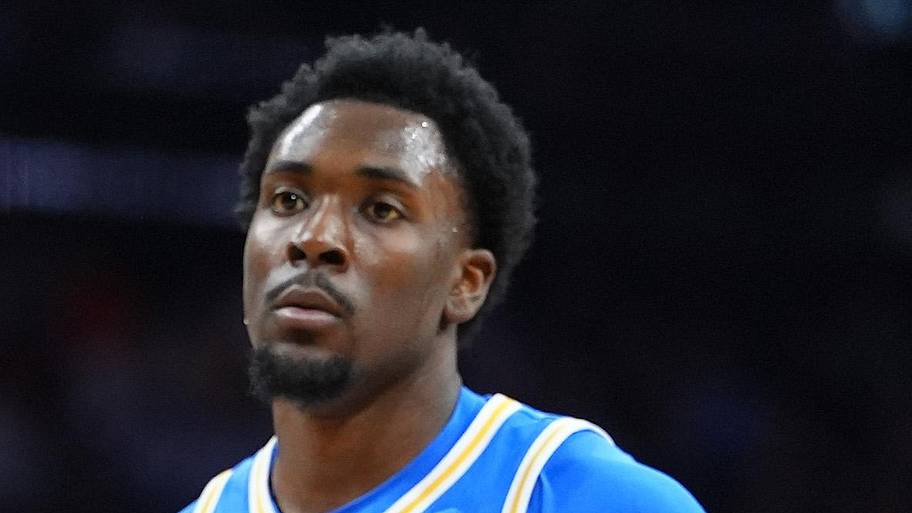
Easily the biggest flaw for UCLA last season was its lack of rebounding. Eric Dailey Jr. led the Bruins in rebounding with 5.8 rebounds per game. While that mark was respectable, it was not enough for UCLA to be a strong rebounding team. It is clear that Cronin had this problem on his mind when evaluating talent in the portal.
To make matters worse, UCLA also lost Tyler Bilodeau, the Bruins’ second-leading rebounder. It is important to note that UCLA ranked 304th in the nation in defensive rebounding percentage, according to KenPom, and losing another key contributor in that area could cause a scary decline.
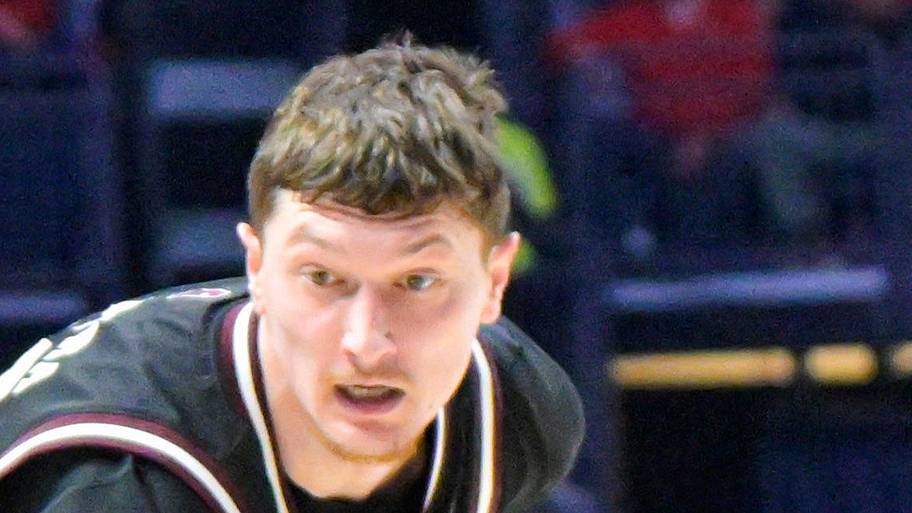
Cronin addressed this issue head-on by landing Filip Jovic and Sergej Macura, two forwards who should provide UCLA with added depth. Jovic averaged four rebounds per game, while Macura averaged 4.8 rebounds per game.
Considering both players averaged fewer than 20 minutes per game, they should be able to combine for a significant increase in rebounding production with expanded roles. Additionally, as underclassmen, they provide UCLA with a solid foundation for the future.
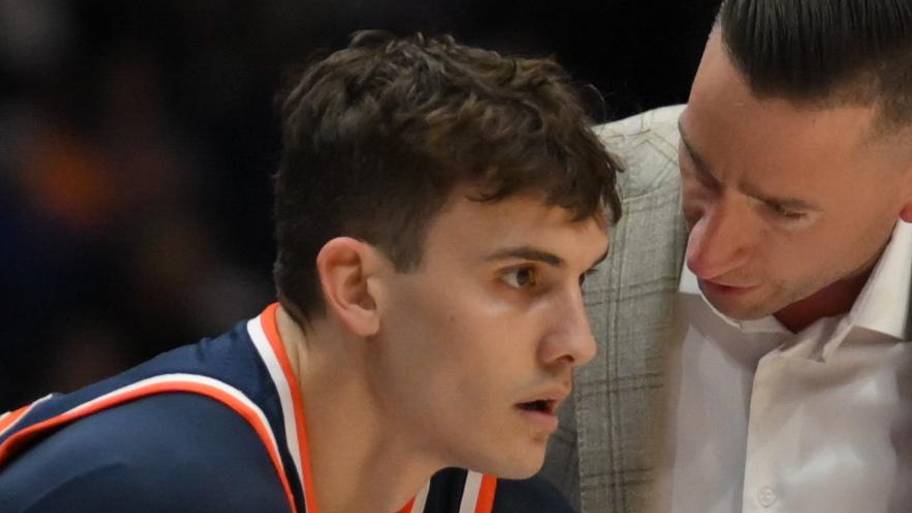
UCLA Fixing Rebounding Woes
When both additions are taken into account, it is clear that UCLA is prioritizing addressing its rebounding issues. Both players also bring defensive upside, which should help the Bruins improve on defense. Last season, UCLA had one of its more inconsistent defensive performances under Cronin.
If one thing is clear, it is that UCLA is focused more on addressing its weaknesses rather than simply replacing departing players. This strategy has the potential to pay off in a significant way.
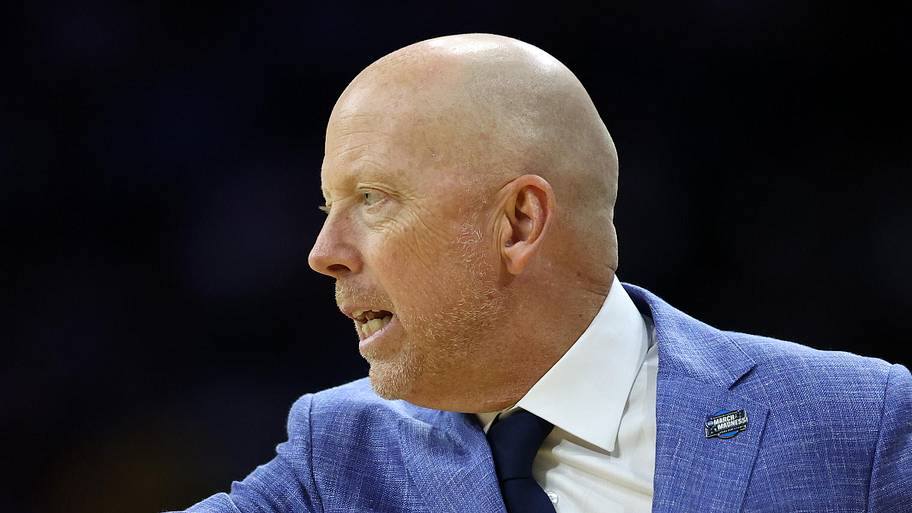
If UCLA can add a true center, it could fully address its frontcourt concerns. However, the biggest question remains whether UCLA can properly address the guard position, which still needs significant improvement.
The bottom line is that UCLA is not rebuilding from the ground up. Instead, the Bruins are positioning themselves to remain competitive for the next several years. Strengthening the frontcourt could allow UCLA to control the glass, which in turn should improve its overall defensive performance.
More must-reads:
- New information emerges about potential A.J. Brown trade
- What Red Sox could do after SS Trevor Story's latest injury
- The 'NASCAR Coca-Cola 600 winners' quiz
Breaking News
Trending News





Customize Your Newsletter
 +
+




Get the latest news and rumors, customized to your favorite sports and teams. Emailed daily. Always free!
PRIVACY POLICY COOKIE POLICY CONTACT US
ABOUT YARDBARKER TERMS OF SERVICE


By using this site, you agree to our Terms of Service and Privacy Policy.
This site is for entertainment purposes only.
There is no gambling offered on this site.
Gambling Problem? Call 1-800-Gambler.
