
-


Follow Us

 On Facebook
 On Flipboard
 On Twitter
College football is at a crisis point. It has been there for a couple of years, festering itself into the lifestyle of the sport that makes it unique from any other. However, the last 24 to 72 hours have manifested the sport in a place it does not belong, nor should it ever.
Name, image, and likeness (NIL), the expansion from four to twelve teams in the College Football Playoff, conference expansion and realignment, and the transfer portal—all of these major catalysts have changed the sport forever, whether for better or worse.
There is a lack of governance in college football, particularly from the NCAA, and this has altered how many will perceive the sport and North Carolina for the foreseeable future.
College football is in a lowly state
My mind has been swirling on this conversation for a few days: what is wrong with college football? How did it get to this point, and why is it in this state?
I was watching College Gameday ahead of Championship Saturday, listening to the conversation from the most iconic voices in the sport today voiced their range of opinions on the state of the sport.

Desmond Howard made some great points about how college football is becoming a quasi-development league for the NFL and the lack of a true governing body, pointing out the COVID-19 pandemic with conferences canceling their season, awakening people to the realization that there is no true governance in the sport, especially once NIL began to take root in 2021.

In that same segment, Hall of Fame head coach Nick Saban discussed the need for a commissioner to serve and enhance college football as an entire entity, noting how the playoffs have hidden many of the underlying issues across the sport, bringing up the need for someone to oversee each conference and a competition committee to define the rules of the game. If you're thinking what I am thinking, it reads very similar to the NFL.
Some programs have begun to model their teams after the likes of NFL franchises, including North Carolina, Oklahoma, and Stanford.
In theory, this could help the rapidly changing environment of the sport, but without a true governing body to help enforce rules and changes to the athletic calendar, it becomes chaotic.
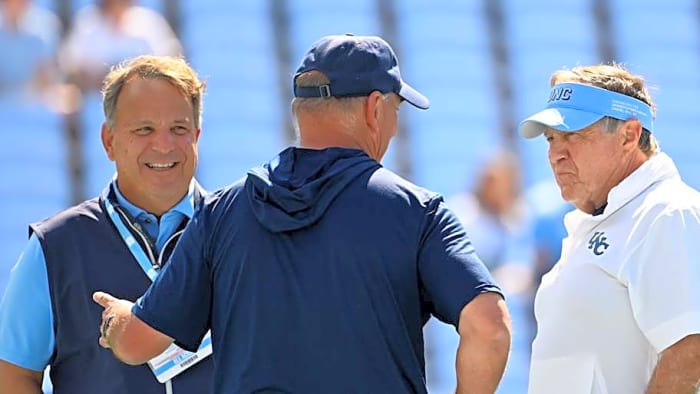
Saban isn't wrong in this regard. There were also points being made about the current structure of the playoff, which teams are determined in the postseason, the occurrence of the games, and more.
The CFP committee is under scrutiny for its decisions on the playoff rankings throughout the last month leading up to the selection show, raising the question of whether the show should be discarded entirely to focus on a similar March Madness model in this regard.
On that note, it has affected bowl game commitments, famously with Notre Dame declining their invitation to play in the Pop-Tarts Bowl.
While I don't disagree for the need of changes to the CFP, when they play, and how the rankings are put together, the Fighting Irish lost to the Miami Hurricanes in Week 1, and the head-to-head matchup is a good metric to lean on.
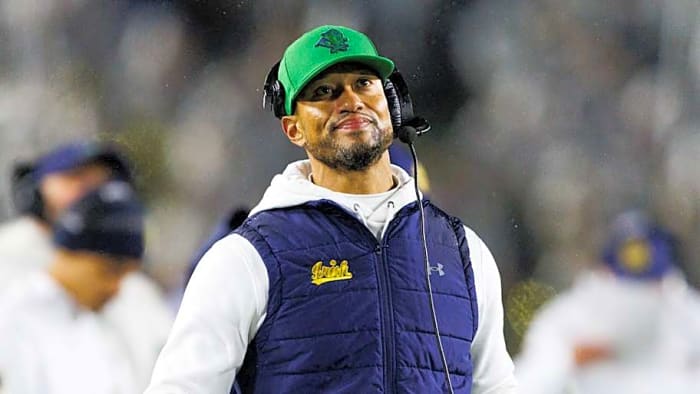
In other words, win the games you're supposed to win, play better football, and you won't be in this situation instead of tossing out your entire relationship with the ACC. However, it is a fair argument for why the Fighting Irish would play in a bowl game, especially with key starters heading to the draft or transferring. This will have a trend starting next year if this situation is to occur again for the 12-team playoff.
Furthermore, it leads to yet another discussion about the hiring of coaches, i.e., the Lane Kiffin Ole Miss-LSU saga. In a lot of ways, there needs to be a new approach and area within the academic calendar to allow coaches to interview for potential openings across the country without compromising the integrity of their current programs. Frankly, the whole thing is a mess.

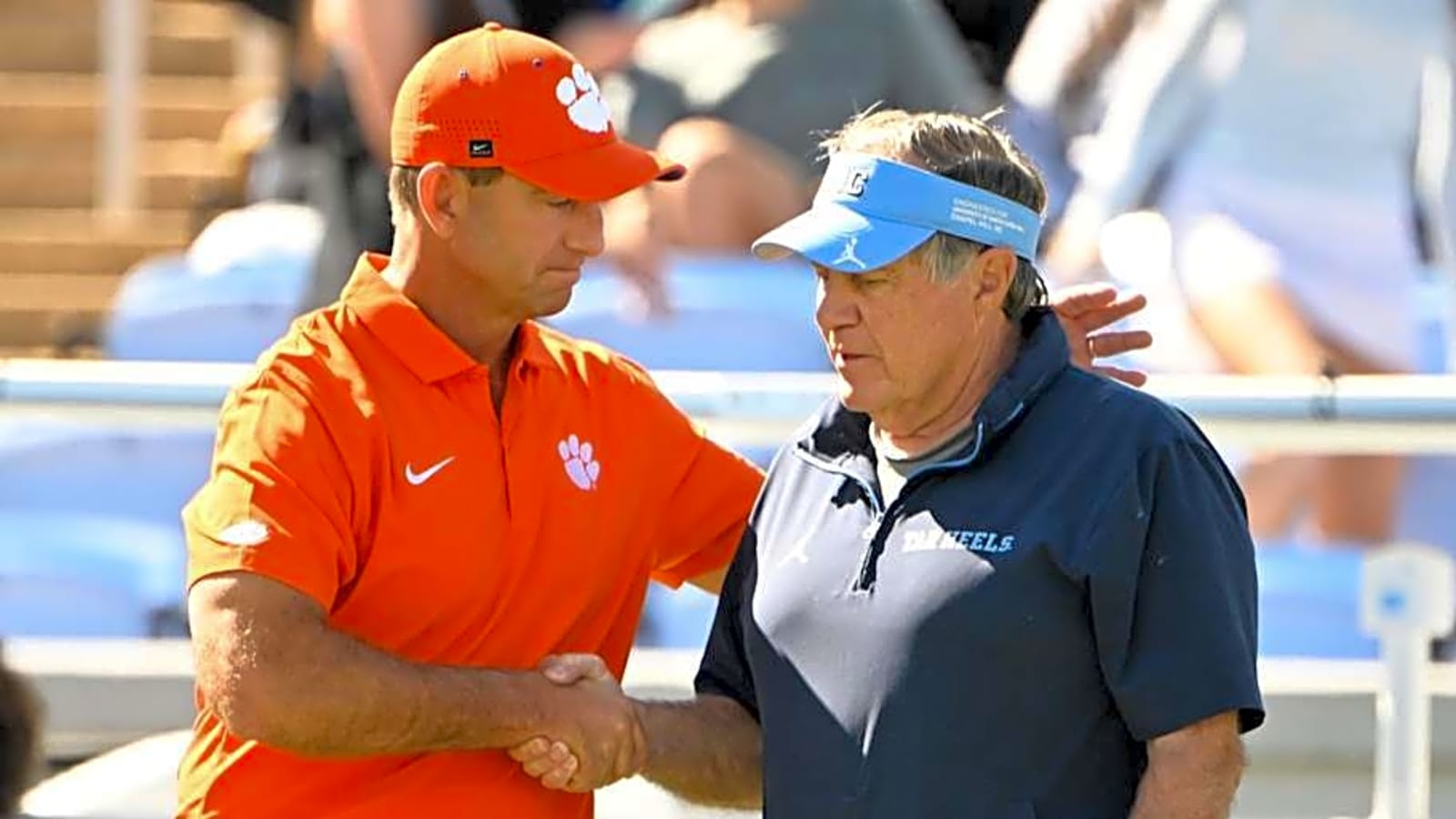
You need the right coach to navigate this storm, and Tar Heels head coach Bill Belichick is still considered that person to do so at Chapel Hill. He is attempting to rebuild a program under the guise of the current state of the sport. It is commendable despite the scrutiny throughout the season.
There is also the discussion of NIL and the transfer portal. I approve of student athletes being able to profit off of their name, image, and likeness, along with the freedom to enter the transfer portal when able. While I won't dive into the deeper issues of both topics, it certainly feels that there should be significant changes to both, though NIL is a legislative issue that doesn't have enough room to discuss in this column.
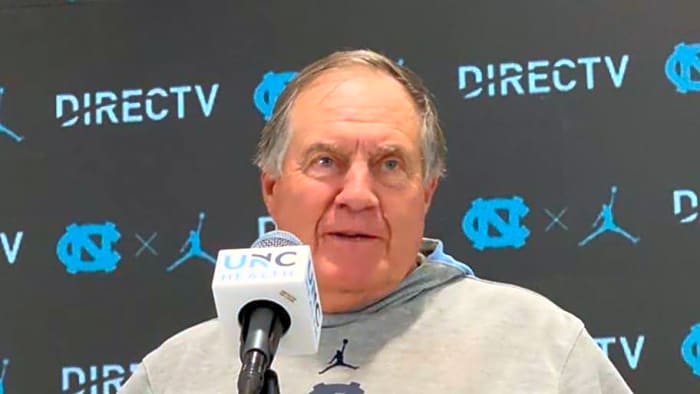
A lot of the issues in college football seem correctable, though it would require major shifts in many aspects, such as the academic calendar for the sport, potentially moving up the playoffs to allow for better transparency in the portal, having a designated set of dates to allow coaches to interview for new programs, and much more.
This will take time, with the potential immediate changes likely coming in the form of a revamp of how the playoffs are approached to prevent a Notre Dame situation that is seen today. The Tar Heels are in the thick of this mess, and in some cases, part of the arguments. Only time will tell whether the NCAA and conferences across the country commit to change that can benefit the sport in the long term.

More must-reads:
- Indiana QB Fernando Mendoza had amazing quote after beating Ohio State
- 'Permanent damage'? CFP-snubbed Notre Dame vents about ACC
- The '2K-scrimmage-yard NFL seasons' quiz
Breaking News
Trending News






Customize Your Newsletter
 +
+




Get the latest news and rumors, customized to your favorite sports and teams. Emailed daily. Always free!
PRIVACY POLICY EDITORIAL POLICY CONTACT US
ABOUT YARDBARKER TERMS OF SERVICE


Use of this website (including any and all parts and
components) constitutes your acceptance of these
Terms of Service and Privacy Policy.
This site is for entertainment purposes only.
There is no gambling offered on this site.
Gambling Problem? Call 1-800-Gambler.
