
-


Follow Us

 On Facebook
 On Flipboard
 On Twitter
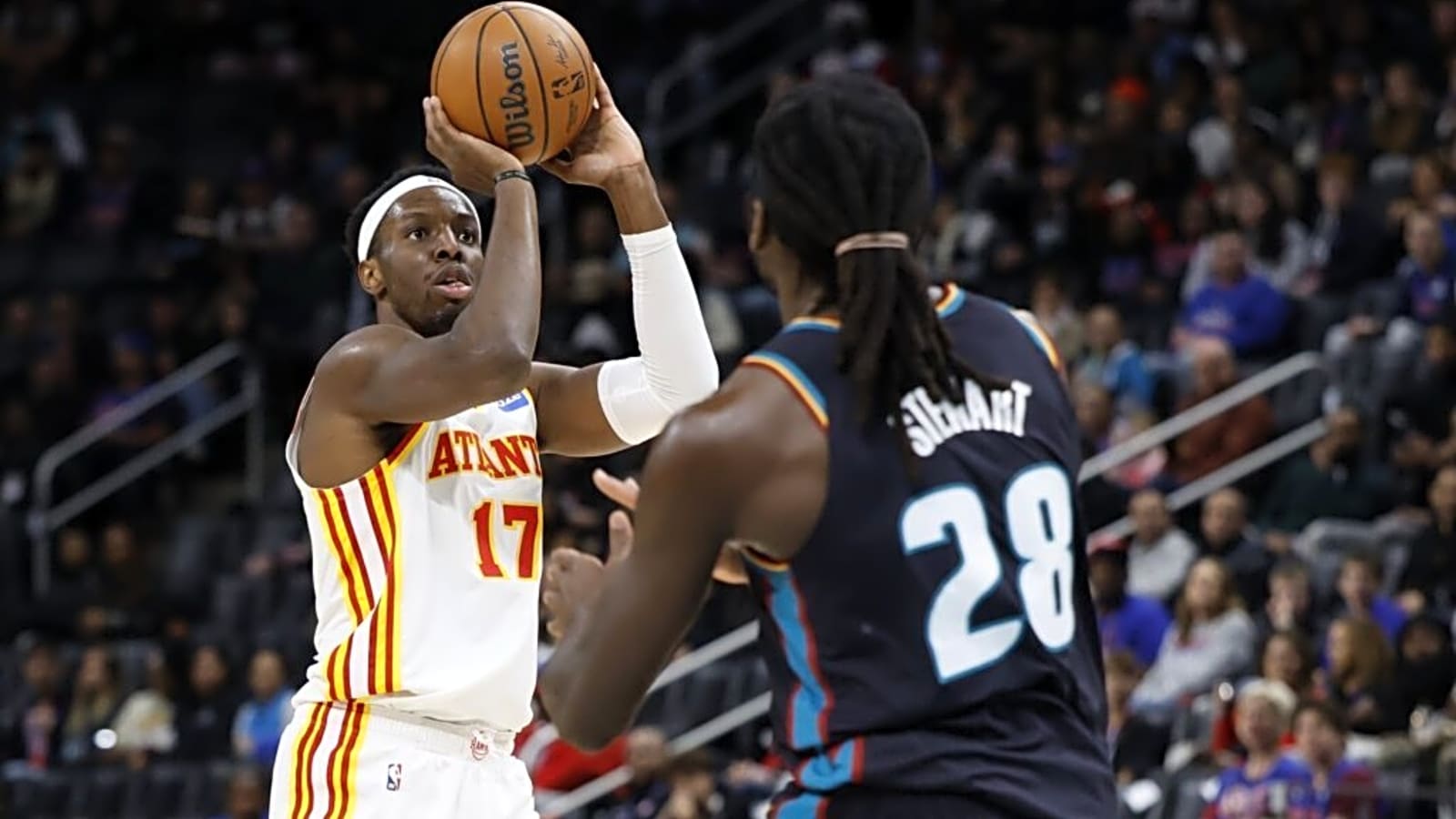
Despite playing one of their sloppiest games of the season, the Detroit Pistons escaped with a 99–98 win against the Atlanta Hawks Monday. Jalen Duren powered the night with 21 points and 11 rebounds, while Ron Holland added 17 points in just 17 minutes—one of the few sparks in a game defined more by mistakes than rhythm.
The Pistons dominated the glass with a 60–34 edge, as seven Pistons finished with six or more rebounds. But the Hawks forced 22 turnovers, marking the third straight game the Pistons have coughed the ball up 20+ times. Somehow, they’ve gone 2–1 in that stretch.
That’s not a trend they can afford to flirt with. As the schedule tightens and the competition sharpens, high turnovers will shift from being survivable to being the reason games slip away.
Pistons’ Defense Carries Load Amid Turnover Struggles
Cutting Turnovers Starts With Pistons Star
Cade Cunningham didn’t have the loudest scoring night Monday—18 points isn’t eye-popping for him—but the eight he delivered in the fourth quarter were timely and necessary. Beyond the scoring, he left fingerprints everywhere: eight rebounds, eight assists, six steals, and three blocks, becoming the first Pistons player with 6+ steals and 3+ blocks since Ben Wallace.
But the turnovers continue to hover over everything he does. Cunningham coughed the ball up eight times, and he now has 22 turnovers in his last three games. Through 18 games, his 4.2 turnovers per contest are the second-most in the league behind Luka Dončić. Those turnovers have repeatedly kept opponents alive in games the Pistons had control over.
As the lead guard, he has to tighten his handle and decision-making. There’s no questioning the production—28.2 points per game (top-10) and 9.3 assists (second in the league) speak for themselves. But if the Pistons want to turn competitive games into comfortable wins, it starts with their best player valuing possessions.
Winning Ugly, Defending Loud
For as messy as the Pistons can be offensively, their defense keeps them steady. Possession after possession, they force teams into uncomfortable looks and refuse to let offenses settle into any rhythm.
The Pistons’ size and activity were on full display again. Isaiah Stewart controls the paint with his usual toughness. At the same time, Holland and Ausar Thompson brought their trademark energy on the wings—closing out hard, contesting everything, and turning 50-50 plays into Pistons opportunities. That mix of length, pressure, and urgency has become one of the biggest drivers behind Detroit’s promising start.
Even with the offensive sloppiness, the defensive buy-in never fades. The Pistons talk, scramble, and make every basket a chore. If the Pistons want to keep stacking wins as the season tightens up, this end of the floor has to remain their anchor—especially on nights when the turnovers start piling up.
The Last Word
Monday’s win showed two sides of this Detroit Pistons team: a group capable of defending at a high level and finding different contributors when needed, and a group that still invites pressure by giving possessions away. They were good enough to survive it this time, but continuing to flirt with 20-plus turnovers a night is playing with fire. The defense can cover a lot, but it can’t keep bailing them out forever.
That’s the next step in their growth—learning to slow down, settle in, and value the ball. When the Pistons stay poised and get into their sets, they’re a tough team to guard. When they rush or force the issue, they keep opponents in games that should be put away. As the schedule stiffens, that difference becomes even more critical.
The pieces are there: the size, the energy, the star power, the defensive buy-in. Now it’s about tightening the details and cutting down the mistakes. If the Pistons cut the turnovers and lean on their strengths, tight escapes will quickly become comfortable wins. Get the turnovers under control, and their ceiling becomes a lot easier to see.
More must-reads:
- Desmond Bane's big night against Bulls fuels red-hot Magic
- Adam Thielen doesn't move the needle in Steelers' playoff push
- The 'Last pair of 100-yard rushers by team' quiz
Breaking News
Trending News








Customize Your Newsletter
 +
+




Get the latest news and rumors, customized to your favorite sports and teams. Emailed daily. Always free!
PRIVACY POLICY EDITORIAL POLICY CONTACT US
ABOUT YARDBARKER TERMS OF SERVICE


Use of this website (including any and all parts and
components) constitutes your acceptance of these
Terms of Service and Privacy Policy.
This site is for entertainment purposes only.
There is no gambling offered on this site.
Gambling Problem? Call 1-800-Gambler.
