
-


Follow Us

 On Facebook
 On Flipboard
 On Twitter

To say that college football has changed over the years would be fact but also an understatement. In the early days, players didn’t even wear helmets to play the most violent sport on the planet.
But then came the leather helmet and as the years went on, the safer the game got. Off the field, pay-for-play was certainly done, but it was under the table or if your Tennessee, McDonald’s bags. As much as I would love a fat stack of $100 dollar bills with my double quarter pounder with cheese, there’s no need for that any longer.
Gone are the days of old when back-room deals were made and pay for play was all under the table. The same thing that killed the SMU football nearly 40 years ago is exactly what is legal today in college football.
While money is still a big part of today’s game, so is the transfer portal. Not that long ago, players would have to sit out an entire year if they transferred from a school and even then, some schools were off limits if they were trying to go to a rival school.
Transfer Portal and Eligibility Issues
That seems crazy considering what the transfer portal looks like today. Now players can transfer every single year without having to sit out and on top of that, they get paid to do it. In some cases, that is the sole reason they leave their school in the first place. Who wouldn’t want to get paid more money to do the same thing you are currently doing? I know I would.
While change can be a good thing, that doesn’t mean it always is. One of my biggest issues with college football and the NCAA are players getting granted too many seasons of eligibility. Remember Cam McCormick the tight end from Miami last year? He played nine seasons of college football. I understand he was hurt most of that time, but nine years? Give me a break.
The one thing I will say is that he wasn’t chasing money due to him being in school before the whole pay for play thing took off. But then I look at a guy like TJ Finley who is set to transfer to his seventh school in 2026.
Since the quarterback set foot on a college campus back in 2020, Finley has made stops at LSU, Auburn, Texas State, Western Kentucky, Tulane, Georgia State and now Incarnate Word.
COVID-19 and injuries have provided him with the opportunity to have so many years of eligibility, along with an off-the-field incident that cost him his chance to play at Tulane. I get that 2020 was a weird year but if we are being honest with ourselves, why are there still players from 2020 still playing in 2026?
College Basketball’s Even Bigger Problems
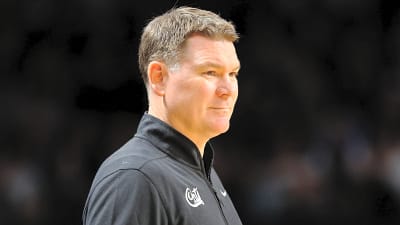
A few weeks ago, Arkansas head basketball coach John Calipari said that players should get five years of eligibility to play four seasons. And I agree with that 100%. You want to stick around for five years? Then you should have to redshirt one of those years.
College basketball has far bigger problems than college football right now. At least you don’t see NFL players coming back to school to play college football. But one thing that has caught my attention is the age of these players.
While the one-and-done type of player is still happening in college basketball, we are seeing more coaches bring in veteran players who are in their fifth and sixth years. Why sign a guy out of high school that is unproven when you can go get someone who has been there and done it at the college level?
Just look at the teams playing in the national championship game on Monday night. The average age of Indiana and Miami’s starters is about 23 years old. There are no shortage of fourth- and fifth-year guys in their starting 22.
These college players are not only getting older, but they are getting paid to stick around. I know that there has been a lot of good change over the years in college athletics but players going into their sixth and seventh year is flat out ridiculous. You had your time to get a degree, get paid and play the sport you love. But at some point it has to come to an end and it’s time to get a job or turn pro.
More must-reads:
- Notre Dame's rift with ACC is water under the bridge, commissioner believes
- Senior Bowl takeaways: Top QB, risers ahead of 2026 NFL Draft
- The 'Super Bowl host cities' quiz
Breaking News
Trending News







Customize Your Newsletter
 +
+




Get the latest news and rumors, customized to your favorite sports and teams. Emailed daily. Always free!
PRIVACY POLICY EDITORIAL POLICY CONTACT US
ABOUT YARDBARKER TERMS OF SERVICE


Use of this website (including any and all parts and
components) constitutes your acceptance of these
Terms of Service and Privacy Policy.
This site is for entertainment purposes only.
There is no gambling offered on this site.
Gambling Problem? Call 1-800-Gambler.
