
-

-


Follow Us
-

 On Facebook
 On Flipboard
 On Twitter

For eight seasons (not to mention sequels, prequels, and spinoffs), viewers rooted for Dexter Morgan, a forensic expert by day and vigilante serial killer by night, to get away with literal murder. Along the way, the series delivered some of television’s most shocking moments, iconic villains (hello, Trinity), and one of the most polarizing finales in modern TV history.
Of course, not all seasons of Dexter were created equal. If you're revisiting the show, or digging in for the first time, here's all eight seasons of the original show, ranked from worst to best. Plus, we've ranked sequels, spinoffs, and the prequel, right alongside the seasons of the original show.
Dexter Seasons Ranked From Worst to Best
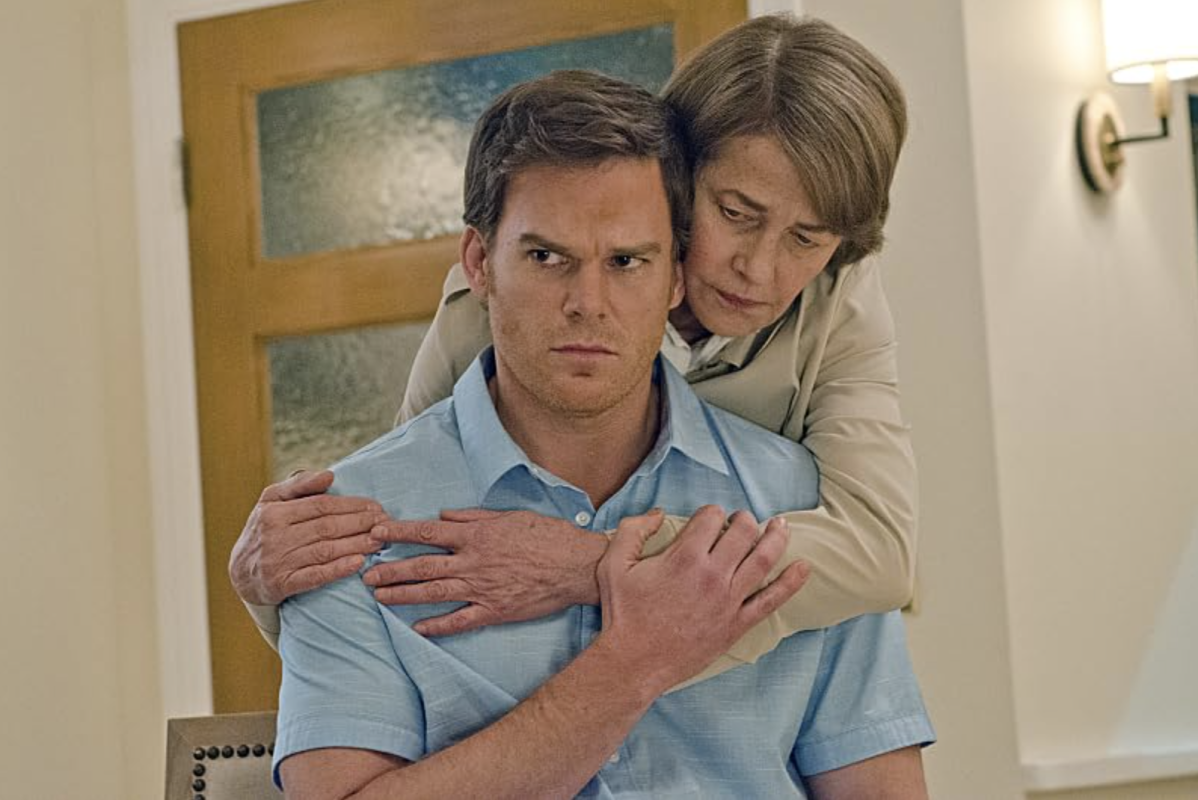
Season 8 (2013)
The final season of Dexter wasn’t just the worst season of the show; it was one of the worst final seasons in television history — poorly written, lacking payoff, and a disgrace to the legacy of its characters, who were shadows of themselves by the end of the series.
The storyline introduced Dr. Evelyn Vogel (Charlotte Rampling), a psychiatrist who masterminded Harry’s code and turns to Dexter for help tracking down the "Brain Surgeon," a serial killer who’s been leaving little scoops of brain on her doorstep. The twist is that the killer — the least compelling antagonist in the show’s run — is Vogel’s own son, whom she had institutionalized as a child for murdering his brother (he faked his death to escape confinement). Rather than kill the Brain Surgeon, Dexter leaves him for Deb to apprehend, and the setup leads to her getting shot. Although she survives the bullet to the gut, she has a post-surgery stroke that leaves her brain dead. After killing the Brain Surgeon in a jail cell — with a pen instead of one of his signature kill tools — Dexter dumps Deb’s body into the Atlantic and sets out to sea in the middle of a hurricane. The final shot of the series shows him as a lumberjack — alive.

Season 7 (2012)
The Season 7 finale — in which Debra kills LaGuerta to protect Dexter — sort of redeems this otherwise cringe-worthy chapter of Dexter, but not enough to rank it higher on this list.
In theory, Season 7 should have been great: It picks up where Season 6 left off, with Debra catching Dexter in the act of killing Travis Marshall, the Doomsday Killer. But, alas, the writing was weak (Debra having romantic feelings for Dexter was an abomination), the introduction of Hannah McKay as Dexter’s serial-killer love interest felt contrived, and the Ukrainian mobster storyline was a bore.
LaGuerta’s shooting was an unforgettable turn of events for the show, to say the least, but it capped off an otherwise dull and disappointing season.

Dexter: New Blood (2021–2022)
The Dexter revival, set 10 years after the original finale, in Iron Lake, New York, shows Dexter living under a new identity as Jim Lindsay. But his quiet, kill-free life is disrupted when his teenage son, Harrison, finds him — and shows worrying signs that the born-in-blood apple didn’t fall far from the born-in-blood tree. Conveniently, there’s also a local serial killer to track down.
New Blood makes for a satisfying 10 episodes — and it excels at capturing Dexter’s signature dark humor — but it ranks where it does because it’s simply hard for a revival to compete with a beloved original. Deb appears only as a ghost, and the rest of the OG cast is sorely missed (although Batista does at least pop up).

Dexter: Original Sin (2023)
The prequel show starring Patrick Gibson (the next James Bond, at least in video game form) isn't the greatest installment of the franchise, nor is it the worst. As prequels go, this series gives us what we want. But, like many prequels, it's not entirely clear if that part of Dexter's story needed to be told. Decent, but for hardcore fans only.

Season 5 (2010)
Season 4 was so good, it was bound to make Season 5 look bad. The series picks up after Rita’s death, with a grieving Dexter on leave from work, at odds with his stepchildren — who eventually get shipped off to Orlando — and jonesing for a kill. Then he meets Lumen (Julia Stiles), a survivor of a brutal rape and torture ring, and the two team up to exact revenge on her assailants while also developing feelings for one another. Their romance ends when all of Lumen’s abusers are dead and she no longer feels the urge to kill like Dexter does.
Overall, the season was entertaining, but it also felt half-baked and rushed at times. Would Dexter and Lumen really come to trust each other so quickly? Seems hard to believe.

Season 6 (2011)
The sixth season of Dexter, which follows the “Doomsday Killers” who commit Biblical-style murders, is widely considered one of the weakest of the series, criticized for poor writing and a ridiculous twist (the killer played by Edward James Olmos was actually dead; the other killer, played by Colin Hanks, killed him). Plus, the finale, in which Debra caught Dexter in the act of killing, set off a storyline that effectively destroyed the show. But, hey, it was entertaining! The kills were more intriguing and disturbing than usual, and the cliffhanger ending made for a blockbuster finale, for better or worse.

Dexter: Resurrection (2025)
For fans and critics alike, Resurrection is by far the best of the prequel and sequel series. It's a back-to-basics season that also manages to not make too big a deal about bringing its titular anti-hero back from the brink of death.

Season 3 (2008)
Season 3 was interesting because it explored the possibility of Dexter having a friend and whether he could ever really trust someone with the knowledge of his Dark Passenger. But after the high-stakes first and second seasons, it felt a bit slow. Still, the writing was solid and guest star Jimmy Smits delivered just the right amount of charisma as Assistant District Attorney Miguel Prado, an aspiring killer who Dexter takes under his murderous wing.
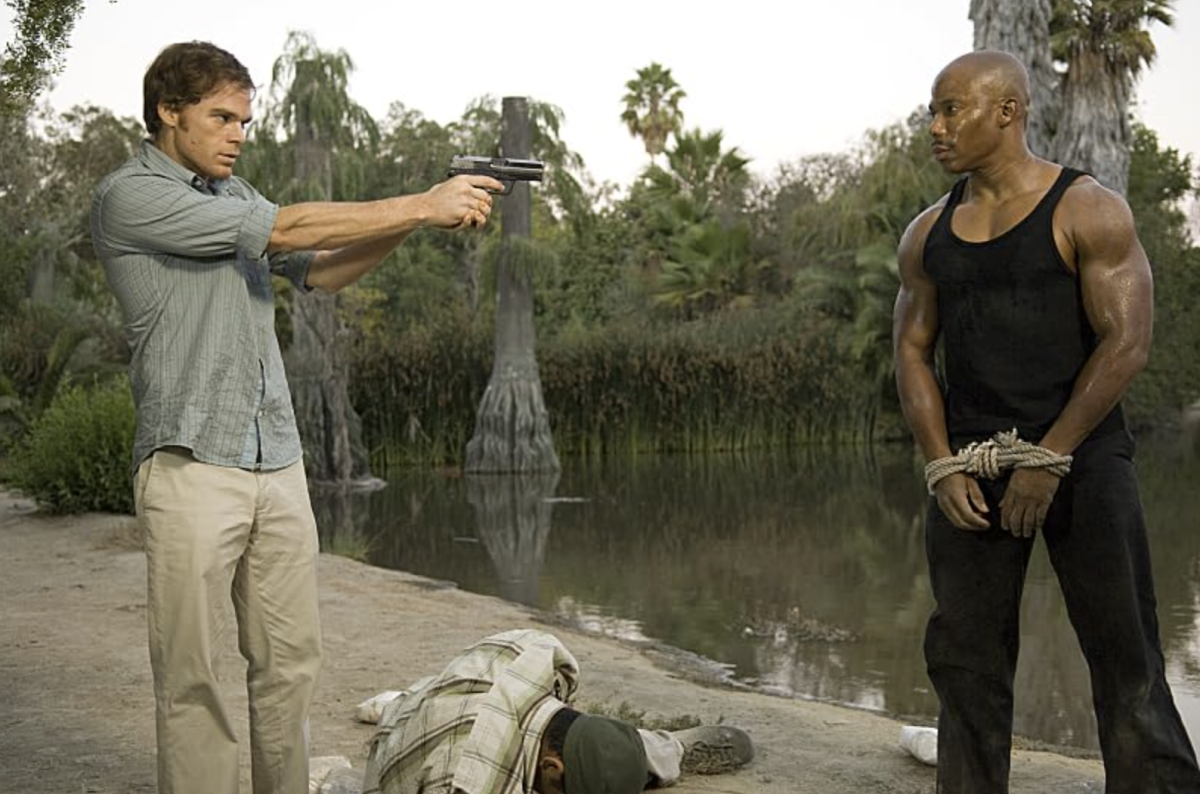
Season 2 (2007)
Dexter's underwater graveyard is discovered, kicking off a hunt for the “Bay Harbor Butcher” that pushes him closer and closer to exposure. Doakes, who’s always seen through Dexter’s “creepy” charm, eventually closes in on him, “forcing” Dexter to betray his moral code and kidnap him, which ultimately leads to his death at the hands of Lila, Dexter’s deranged ex-girlfriend. Fast-paced and full of tension, every episode of the season counts.

Season 1 (2006)
Dexter’s first season is a near-perfect introduction to the show and its characters. The plot centers around the hunt for the "Ice Truck Killer," who seems to be playing psychological games with Dexter, leaving bloodless corpses in staged, symbolic scenes. The twist — that the Ice Truck Killer is Dexter’s long-lost brother — comes as a total shock (and poor Debra is engaged to him!).

Season 4 (2009)
Season 4 is widely considered the best season of Dexter, largely because of its introduction to the Trinity killer, played to chilling effect by John Lithgow, who won an Emmy for his guest role.
Dexter eventually discovers Trinity’s identity — he’s a churchgoing husband and father named Arthur Mitchell — but rather than kill him, he befriends Arthur for pointers on how to live such a successful double life. Only, as it turns out, Arthur is a monster at home, too.
The season is disturbing and twisty, and it ends with Rita dead in a bathtub, making for one of the most haunting finales of all time.
Where to Stream Every Version of Dexter
The original Dexter streams on Paramount+ with a standard plan. However, to watch New Blood, Original Sin, and Resurrection, you need a Paramount+ Premium plan, which includes Showtime.
More must-reads:
- 20 A-list celebrities who were found in highly unusual ways
- 20 TV plot lines that made no sense at all
- The 20 worst lead characters from popular TV shows







Customize Your Newsletter
 +
+




Get the latest news and rumors, customized to your favorite sports and teams. Emailed daily. Always free!
PRIVACY POLICY COOKIE POLICY CONTACT US
ABOUT YARDBARKER TERMS OF SERVICE


By using this site, you agree to our Terms of Service and Privacy Policy.
This site is for entertainment purposes only.
There is no gambling offered on this site.
Gambling Problem? Call 1-800-Gambler.
