
-

-


Follow Us
-

 On Facebook
 On Flipboard

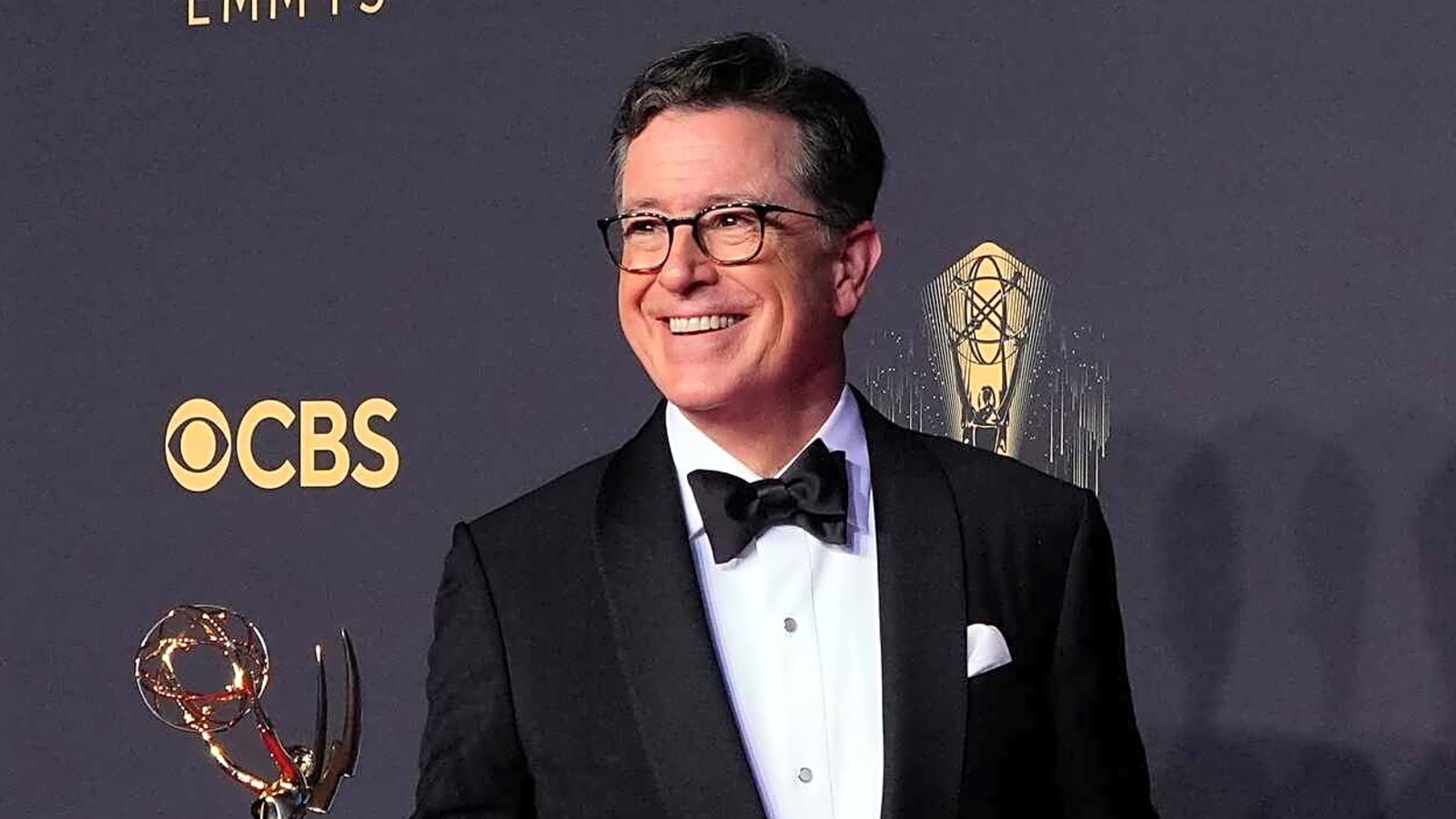
The Late Show with Stephen Colbert is drawing its curtains on May 21, 2026, as a result of a financial call more than anything, closing out more than a decade of Stephen Colbert’s tenure and a 33-year run for the franchise itself. Since taking over in 2015, Colbert has turned the show into a late-night powerhouse, often topping ratings and becoming a staple of political satire and cultural commentary.
Despite its strong position and loyal audience, CBS and parent Paramount Global have opted to end the show amid wider industry shifts.
If the show is still performing, the decision raises questions about what is really driving the move?
“Purely a financial decision”: The Late-Night business squeeze
CBS has framed the cancellation as a financial repercussion rather than a creative one. Executives described it as “purely a financial decision against a challenging backdrop in late night,” emphasizing that content and performance were not factors. The show has remained one of the most-watched in its category, even in a fragmented media landscape.
Across the industry, traditional late-night formats are facing mounting pressure. Viewership has declined, and advertising revenue has followed suit. At the same time, production costs tied to large crews, live bands, and studio operations remain high. Reports suggest that The Late Show with Stephen Colbert has become increasingly difficult to sustain profitably.
The shrinking ad market has forced networks to rethink long-standing formats. In that context, the cancellation reflects a broader shift in how entertainment is financed and consumed.
Still, beyond the financial explanation, the timing of the decision has sparked wider debate.
Politics, corporate deals and speculation about pressure
Officially, CBS and Paramount maintain that politics played no role in ending the show. However, the timing has prompted speculation about whether external pressures may have influenced the outcome. Colbert has been a vocal critic of political figures, including current presidential powers of the country, on his program.
In particular, Colbert recently criticized Paramount over a reported settlement tied to 60 Minutes, referring to it as a “bribe” during a broadcast. The remarks came shortly before the cancellation announcement. Around the same period, Paramount was pursuing regulatory approval for a major merger with Skydance Media.
The overlap between corporate negotiations, political dynamics, and Colbert’s commentary has fueled ongoing debate. While no direct link has been confirmed, the situation has raised questions among viewers and industry observers. For now, CBS continues to point to financial realities as the sole reason behind the decision.
More must-reads:
- The 20 most clever TV shows of all-time
- Late Show Five Reunite For Stephen Colbert Goodbye
- The definitive Kiss playlist




Customize Your Newsletter
 +
+




Get the latest news and rumors, customized to your favorite sports and teams. Emailed daily. Always free!
PRIVACY POLICY COOKIE POLICY CONTACT US
ABOUT YARDBARKER TERMS OF SERVICE


By using this site, you agree to our Terms of Service and Privacy Policy.
This site is for entertainment purposes only.
There is no gambling offered on this site.
Gambling Problem? Call 1-800-Gambler.
