
-

-


Follow Us
-

 On Facebook
 On Flipboard
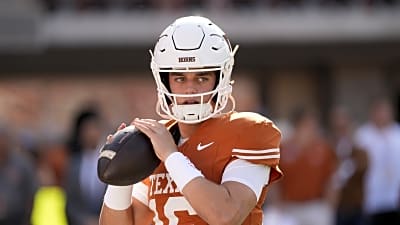
The Steelers’ rookie minicamp opened Friday morning in Pittsburgh, and the kid everybody wanted to see walked onto the field carrying something strange: a top-five-ranked rookie jersey in the entire NFL. Drew Allar, 76th overall pick, third round, zero professional snaps to his name. Fans had already spent real money on his name before he’d thrown a single pass in uniform. Somewhere across town, a 42-year-old quarterback was arriving for a very different kind of meeting. The building was splitting in two directions at once.
The Weekend That Compressed Everything
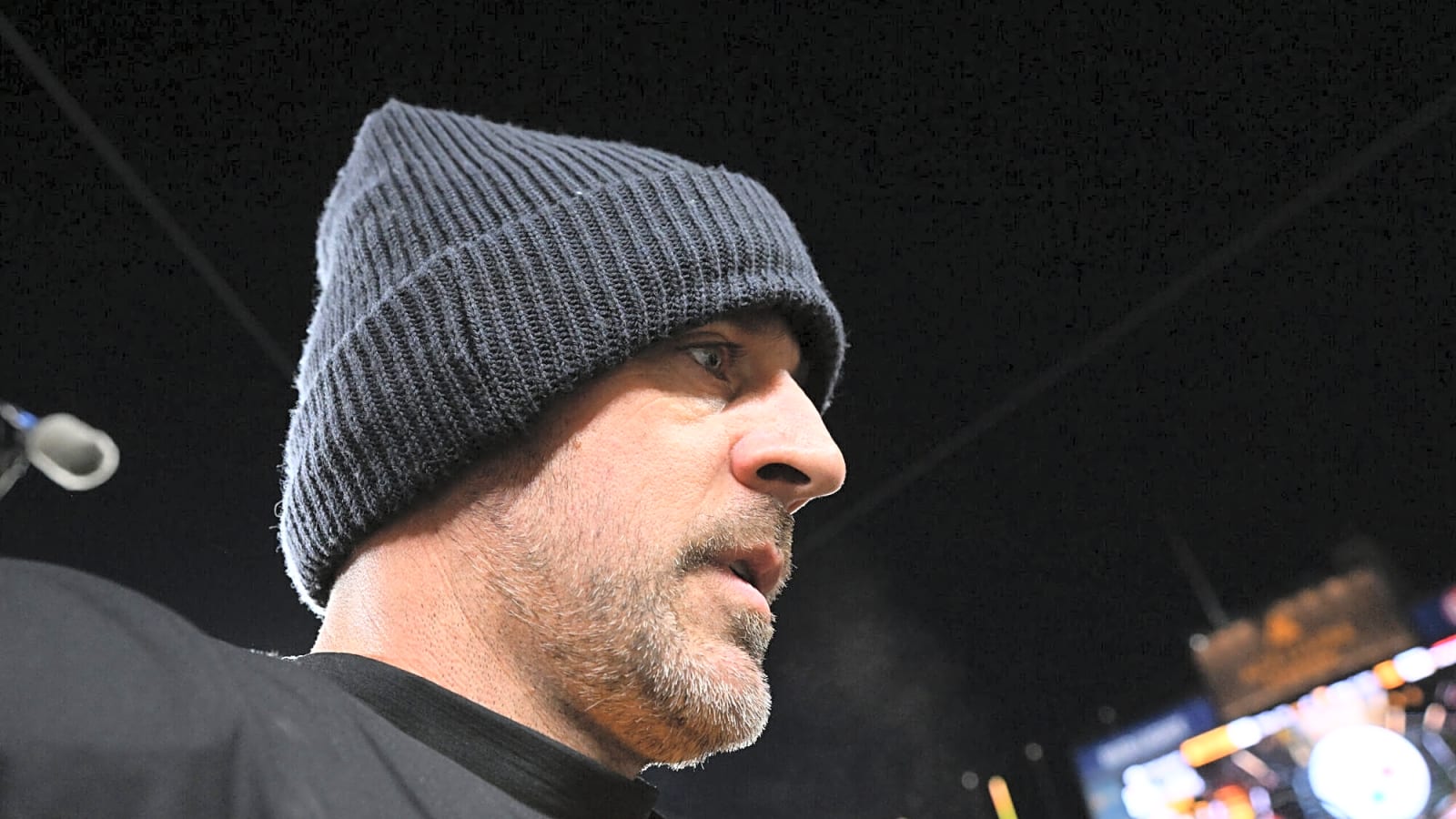
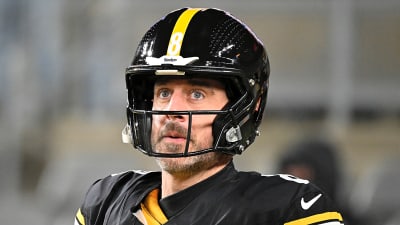
Aaron Rodgers arrived for his contract visit the same weekend Allar entered the building for the first time. That timing wasn’t accidental. The Steelers placed an unrestricted free agent tender on Rodgers worth approximately 15 million dollars, and an expected 2026 deal is reported to fall somewhere in the 20 million dollar range. That represents a meaningful raise over his 2025 salary of roughly 13.65 million dollars, a season in which Pittsburgh fell short of its postseason goals with a first-round exit. The OTA window looms, giving Rodgers limited time to decide his future while the franchise visibly builds without him.
Why Rodgers Is Here in the First Place
Rodgers arrived in Pittsburgh in June 2025 after his tenure with the New York Jets ended without a playoff appearance. The Steelers bet that his experience would stabilize a quarterback room that had cycled through Kenny Pickett, Mitch Trubisky, Russell Wilson, and Justin Fields over three seasons. That bet produced a playoff berth but not a playoff win, and it set up the exact question Pittsburgh is answering right now. Does a 42-year-old bridge quarterback justify a raise in a rebuilding offense?
The Myth That Started Cracking
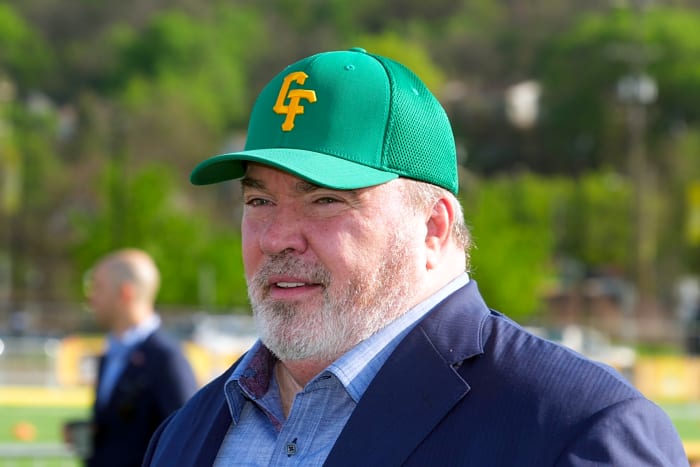
The assumption was simple. Rodgers remains the franchise centerpiece, Steelers contend around him for two more years, and everyone exits gracefully. Then Pittsburgh hired Mike McCarthy in January 2026, officially the 17th head coach in franchise history and just the fourth since 1969. Then they entered the draft with 12 picks, the most of any team, and used them to select 10 rookies. Then they took Allar, the highest-drafted Steelers quarterback since Kenny Pickett in 2022. Three moves that looked like continuity planning. Fanatics data told a different story entirely, and it arrived before any coach or executive said a word publicly.
Fans Voted Before the Front Office Spoke
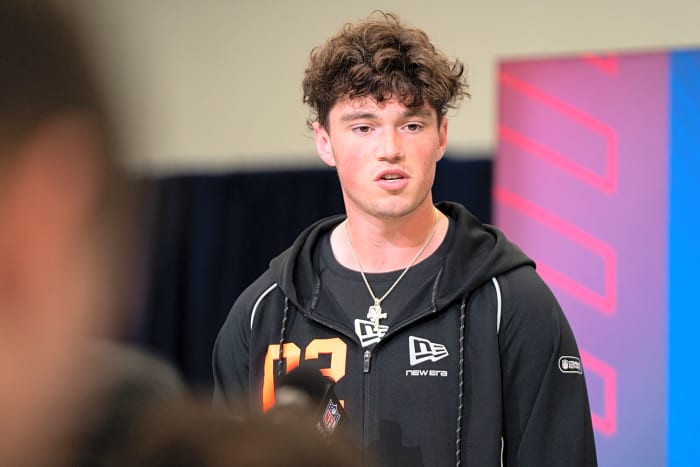
Allar ranked in the top five among all NFL rookies in jersey sales, outselling most of the top names in the 2026 draft class despite being a third-round developmental pick with zero professional snaps. Twenty-one years separate Allar and Rodgers. The fan base didn’t wait for permission. They bought the future before it proved anything. That behavior reads as a market referendum on generational change, quantified in real time through Fanatics data, and it told the organization what the organization already knew but hadn’t announced.
The Player Pittsburgh Actually Drafted
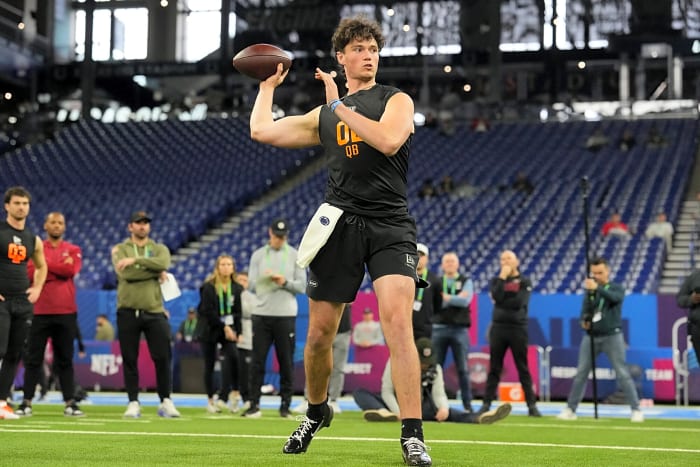
Allar stands 6 feet 5 inches and weighs roughly 235 pounds, with the kind of arm that placed him on first-round watch lists entering his junior year at Penn State. He completed 63.2 percent of his passes across 45 career games, throwing for 7,402 yards and 61 touchdowns before a broken left ankle ended his 2025 college season. He slid to the third round because inconsistent accuracy and a late-season injury pushed evaluators away from the early-round grade. Pittsburgh landed a quarterback whose ceiling and floor are unusually far apart, which is exactly the kind of developmental profile a West Coast system can shape.
The System Behind the Signal
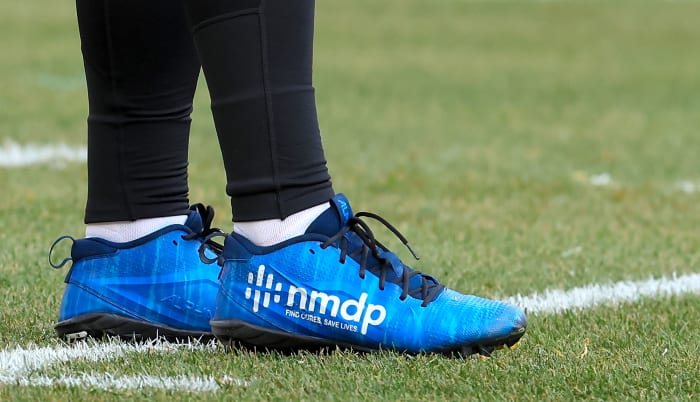
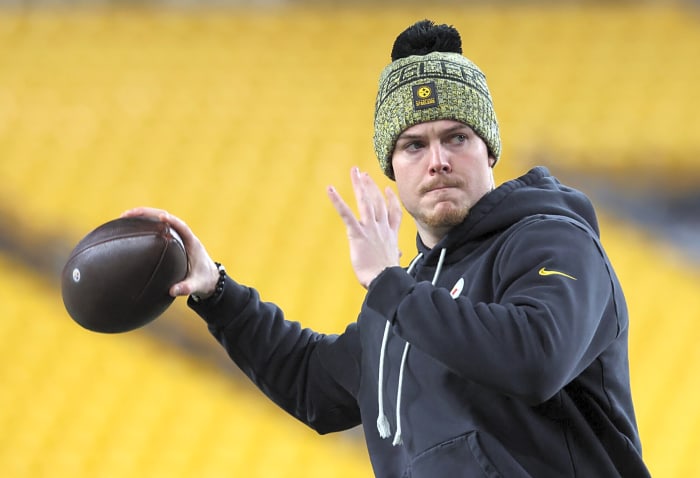
McCarthy’s West Coast offensive philosophy demands a specific quarterback archetype. Younger, more athletic, capable of operating with autonomy inside structured timing concepts. Rodgers, at 42, structurally misaligns with that vision. The Steelers built a three-quarterback development pipeline across consecutive drafts, taking Will Howard in the sixth round in 2025, Allar in the third round in 2026, with additional quarterback investment possible in 2027. Howard spent his rookie year behind the scenes without meaningful regular-season reps, leaving the rookie minicamp floor wide open for both young passers. Pittsburgh constructed a succession plan before the incumbent even re-signed.
The Numbers That Reframe Everything
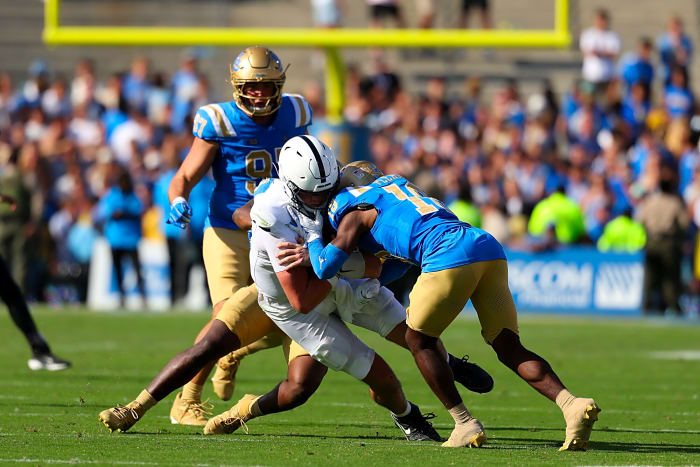
Rodgers earned roughly 13.65 million dollars in 2025. His tender for 2026 sits at about 15 million dollars, and reporting suggests his final deal could land in the 20 million dollar range, potentially pushing close to a 50 percent bump over last season. Meanwhile, Allar’s rookie contract costs a fraction of that across four guaranteed years. Rodgers’ on-field production last season, compiled across a full 17-game slate, was uneven enough that national analysts questioned whether his arm strength and mobility still matched a starter’s price tag. The Steelers are paying premium money for a veteran while developing bargain-priced potential down the hallway.
Who Gets Squeezed Next
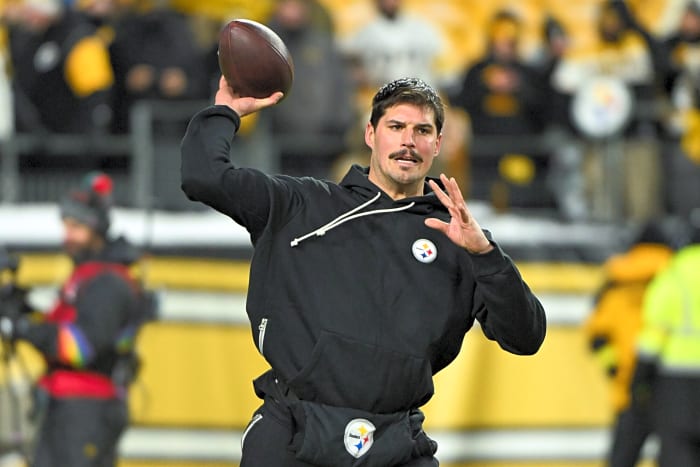
Mason Rudolph’s roster spot just became expendable. With Rodgers, Howard, and Allar occupying organizational attention, the veteran backup slides toward irrelevance on a roster that now needs development reps more than safety-net reps. If Rodgers signs in the 20 million dollar range, that cap allocation shrinks the Steelers’ ability to invest in pass rush, cornerback depth, and receiving weapons, the three areas most often cited as roster holes heading into camp. If Rodgers walks, Pittsburgh enters 2026 with no proven starter and a quarterback room whose combined regular-season snap count sits at zero. The ripple effects hit every position group on the roster.
The Precedent Nobody’s Naming
Jersey sales data functioning as front office intelligence represents something new. Fanatics metrics quantified what scouts and coaches debated privately, which is that the fan base had already moved on from Rodgers before Rodgers moved on from himself. That feedback loop, where player acquisitions drive fan purchasing, fan purchasing validates organizational strategy, and quantified sentiment informs future decisions, changes how franchises measure momentum. Other NFL teams with aging veterans are watching Pittsburgh’s blueprint right now, calibrating their own transition timelines against merchandise data that used to sit in a marketing department.
The Countdown With No Clean Exit
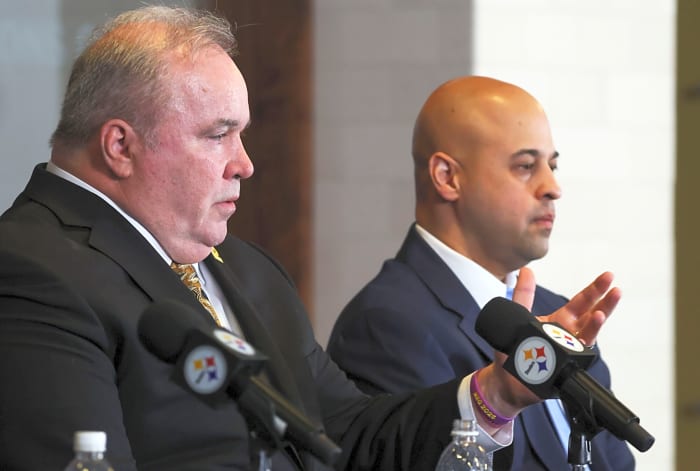
Rodgers, head coach Mike McCarthy, and general manager Omar Khan have remained in contact throughout the offseason as the quarterback weighed his future. That dynamic played out while the Steelers simultaneously negotiated terms, drafted a future quarterback, and watched fans buy that quarterback’s jersey in volume. OTAs open in the coming weeks, training camp reports in late July, and the preseason opener gives Allar his first professional snaps on a real field. Either Allar flashes and the timeline accelerates, or both young quarterbacks stall and Pittsburgh invests again in 2027. Every path leads away from Rodgers eventually. The only variable is speed.
The Message Already Delivered
The Steelers moved toward a post-Rodgers future before Rodgers decided on himself. Front office, coaching staff, and jersey buyers all reached a similar conclusion independently. Rodgers’ visit this weekend is structured to finalize a deal that reporting describes as expected to be signed in the coming days. Allar could flame out. Howard could leapfrog him. The 2027 draft could reset everything. But the organizational momentum already shifted, the dollars already tell the story, and the math of the roster now points clearly at generational change.
So here’s the question worth arguing in the comments: if you’re Omar Khan this weekend, do you pay Rodgers 20 million to buy one more year of stability, or do you hand the keys to Allar right now and let the rebuild start in Week 1?
Sources:
Pittsburgh Steelers official team website, “Steelers select Allar in third round,” April 25, 2026
NFL.com, “Report: Steelers tender UFA Aaron Rodgers, giving team control of QB’s future,” April 27, 2026
ESPN, “Steelers’ 2026 draft picks ranked from starters to projects,” May 5, 2026
Pittsburgh Post-Gazette, “The Steelers’ Will Howard-Drew Allar dynamic might be McCarthy’s happy place,” May 5, 2026
CBS Sports, “What’s going on with Aaron Rodgers? Steelers reportedly still want veteran QB back for 2026,” May 3, 2026
Sports Illustrated, “Steelers Giving Aaron Rodgers More Money for 2026 Season,” May 7, 2026
More must-reads:
- Timberwolves' Anthony Edwards keeps building his case as one of top stars in NBA
- Winners, losers from Thursday's Stanley Cup playoffs: Hurricanes push Flyers to brink
- The 'NBA scoring champions' quiz
Breaking News
Trending News



Customize Your Newsletter
 +
+




Get the latest news and rumors, customized to your favorite sports and teams. Emailed daily. Always free!
PRIVACY POLICY COOKIE POLICY CONTACT US
ABOUT YARDBARKER TERMS OF SERVICE


By using this site, you agree to our Terms of Service and Privacy Policy.
This site is for entertainment purposes only.
There is no gambling offered on this site.
Gambling Problem? Call 1-800-Gambler.
