
-

-


Follow Us
-

 On Facebook
 On Flipboard
 On Twitter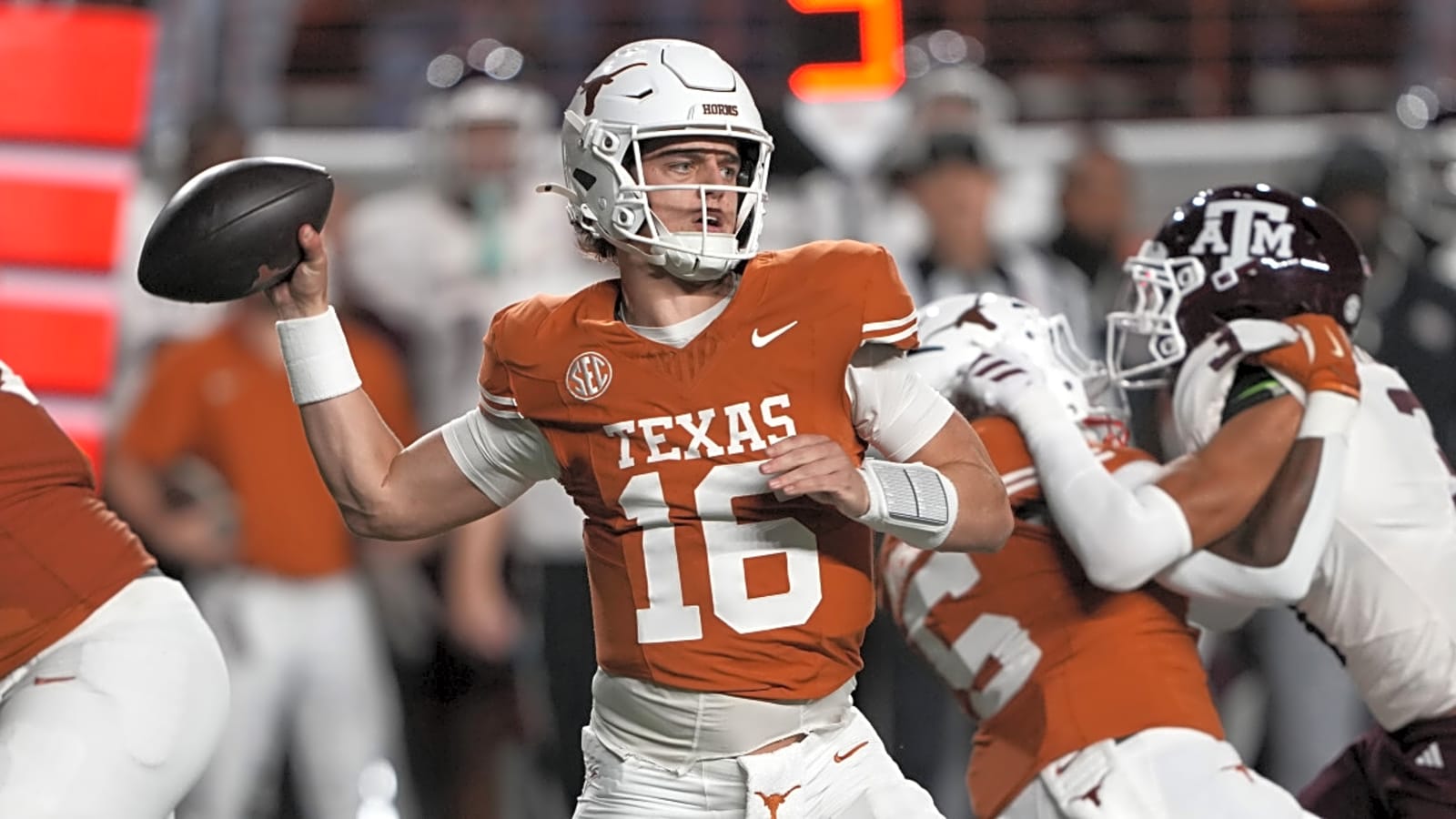
The 2025 college football season did not unfold as the Texas Longhorns or the national media had hoped. The Longhorns finished the year with a 10-3 record and, despite starting the season ranked No. 1 in the preseason AP poll for the first time in school history, did not qualify for the College Football Playoff.
Much of the preseason focus was on new starting quarterback Arch Manning, the grandson of legendary Ole Miss Rebels quarterback Archie Manning and the nephew of NFL icons Peyton and Eli Manning. However, Manning had a challenging start. In his first five games, Texas was 3-2, and Manning averaged 230.2 passing yards per game, throwing 11 touchdowns and five interceptions while completing 60% of his passes.
In his next eight games, he performed exceptionally well, averaging 251.5 passing yards per game, with 15 touchdowns and only two interceptions, while completing 62.1% of his passes. Despite this strong finish to the season, college football analyst David Pollack suggested that Manning was unfairly blamed for the team's struggles. However, on his podcast, "See Ball Get Ball with David Pollack," he explained what the real issue was.
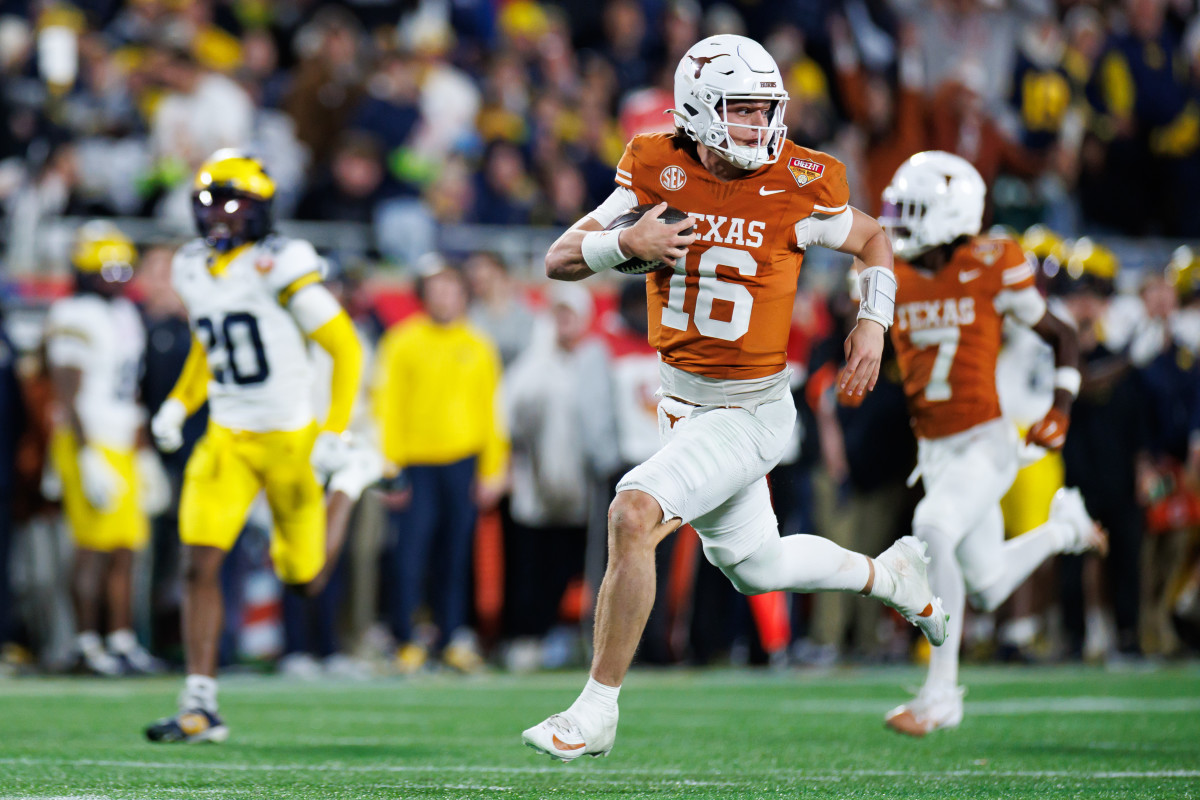
"I think everybody laid it at the feet of Arch," Pollack said. "Arch was the scapegoat. Arch was the one who got crucified because everybody had pumped Arch up to here before the season started. But when you look at it, the offensive line for Texas let them down."
The immediate ripple effect of Pollack’s comments is a shift in how Texas’ 2025 season may ultimately be remembered. Manning entered the year under enormous pressure as the face of the program, and a 3-2 start fueled criticism. But his numbers over the final eight games suggest clear development and growing command of the offense.
From a broader standpoint, offensive line play often dictates the ceiling more than quarterback play, especially in the SEC. Pollack’s assessment points to protection breakdowns and inconsistency up front as the root cause of stalled drives and uneven performances. Even elite quarterbacks struggle when pressured consistently, and Texas’ inability to establish firm protection likely limited the offense’s full potential.
Looking ahead to 2026, the narrative surrounding Manning could look very different if the Longhorns stabilize their offensive front. With a full season of starting experience and strong late-season momentum, Manning appears positioned for a leap. If Texas improves in the trenches, the conversation may quickly shift from scapegoating its quarterback to recognizing him as the catalyst for a playoff return.
More must-reads:
- UConn's Geno Auriemma melts down as South Carolina ends Huskies' perfect season
- Steelers' QB plans revealed if Aaron Rodgers doesn't return
- The 'Most Elite Eight appearances' quiz
Breaking News
Trending News







Customize Your Newsletter
 +
+




Get the latest news and rumors, customized to your favorite sports and teams. Emailed daily. Always free!
PRIVACY POLICY COOKIE POLICY CONTACT US
ABOUT YARDBARKER TERMS OF SERVICE


By using this site, you agree to our Terms of Service and Privacy Policy.
This site is for entertainment purposes only.
There is no gambling offered on this site.
Gambling Problem? Call 1-800-Gambler.
