
-

-


Follow Us
-

 On Facebook
 On Flipboard
 On Twitter
When you sit down for your fantasy basketball draft, the names on your cheat sheet are important — but which positions you prioritize can make the difference between a good team and a great one.
This guide walks you, as a beginner, through how guards, forwards and centers differ in fantasy value, when to target each position, and how to build positional balance based on your league format and draft slot.
Why Position Still Matters in Fantasy Basketball
Fantasy leagues still assign slots and eligibility
There is a lot of rigidity when it comes to fantasy platforms these days, and that is why when there is an active spot, you have to fill it. Certain top stars can play multiple roles, but despite that, you can't start five centers. This is the reason why you should manage these locked slots to ensure that your daily lineup stays full.
Position specialities
A large chunk of the assists and threes made on your team will be made by the guards, while the centers will support with their rebounds and blocks. The stat lines of the team would even be more pleasant to see when the forwards do their jobs. Drafting by position allows you to strengthen specific statistical categories.
Positional value
Having a high-scoring star on the team can make all the difference. However, chasing them desperately can weaken your roster and make it deficient In vital stats like blocks. Hence, the need to be strategic and to also create a balanced team that is well equipped in every aspect of the game.
Drafting Guards: When and Why
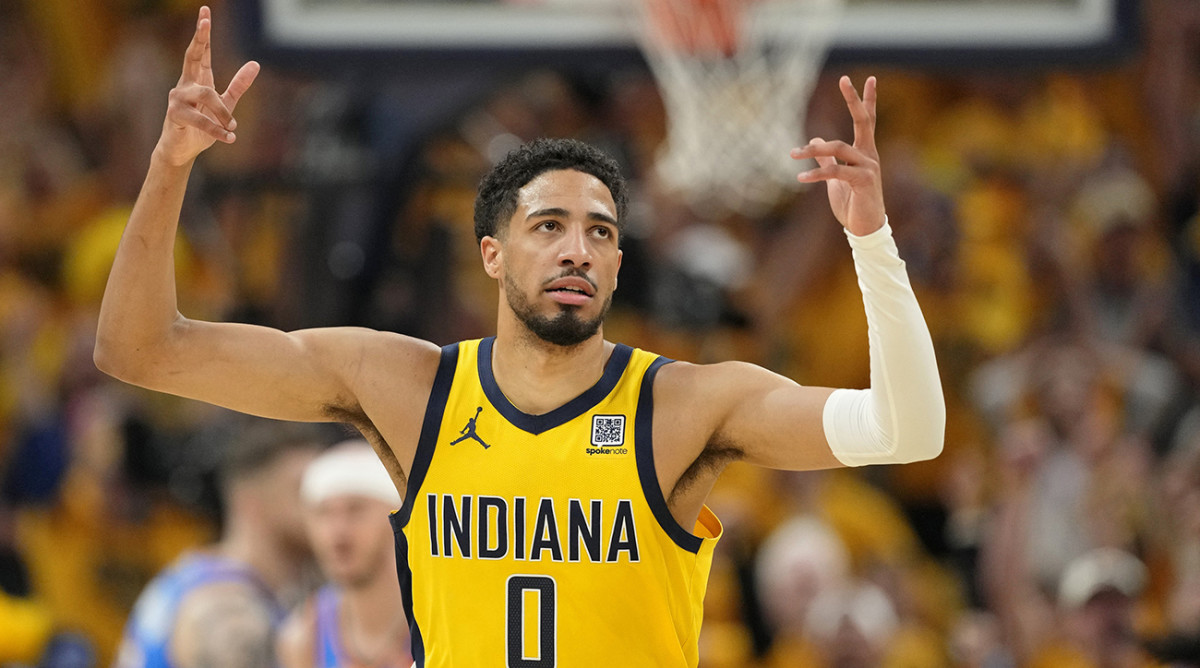
Guards often dominate assists, 3-point makes and free-throw percentage
Elite guards provide rare statistical advantages in playmaking and efficiency. Getting those elite guards to serve as the pillars of your backcourt, will give your team the upper hand in three-pointers as well as maintaining a competitive free-throw percentage weekly.
Guards: Timing signal
When the guard class is deep, you can wait; when the elite guard tier is shallow, pick early. In times of scarcity, your strategy has to be perfect. If top-tier assists are hard to come by, then make it your priority. If there is an abundance of guards in mid-rounds, then it is only wise to focus on scarce big men during the opening.
Guards: Beginner tip
Your statistical floor is going to become stronger when you bring in a superstar guard at the top. If that's not possible or you get to pick later, then pick the elite big men first, before going on to add high-volume guards in rounds 2-4. This helps to balance scoring.
Drafting Forwards: Versatility and Value
The importance of forwards
Not only will versatile forwards help to hold your roster together, they will also help to balance production across the board. So, while they are scoring on one side of the floor, they are also contributing to defensive stats on one side of the floor.
Forwards: Timing signal
It is hard to find a high-tier forward, but that shouldn't discourage you. Instead, use the mid-rounds to select a deep pool of reliable starters. You can either go for the elite dual-eligibility stars in the early rounds or try to secure high-value contributors in the later rounds.
Forwards: Beginner tip
Just like I said in the last section, a superstar guard will help your statistical foundation a lot. Couple that with a versatile forward, and your winning team is half-complete. If you couldn't get an elite guard, then be as competitive as you can be in rebounds and defense.
Drafting Centers: Scarcity and Timing
Centers and ‘big man’ stats
Centers are the primary source for blocks and field goal efficiency. That efficiency comes at a cost to them as it leads to injuries, difficulties at the free-throw line or generally poor shooting.
Centers: Timing signal
There is a massive gap between the level of play of a superstar center and that of an average starter. This is why you shouldn't miss the elite tier in the first two rounds, or else it will be difficult to find consistent double-double production, as well as securing high blocks in and around the post.
Centers: Beginner tip
If you missed out on the stars, don't try to chase your losses by bringing in mediocre big men. Instead, wait for the middle rounds to find value, or draft a "dual-eligible" forward-center that will keep things flexible while still maintaining your roster requirements.
Building Your Draft Strategy by Slot and Format
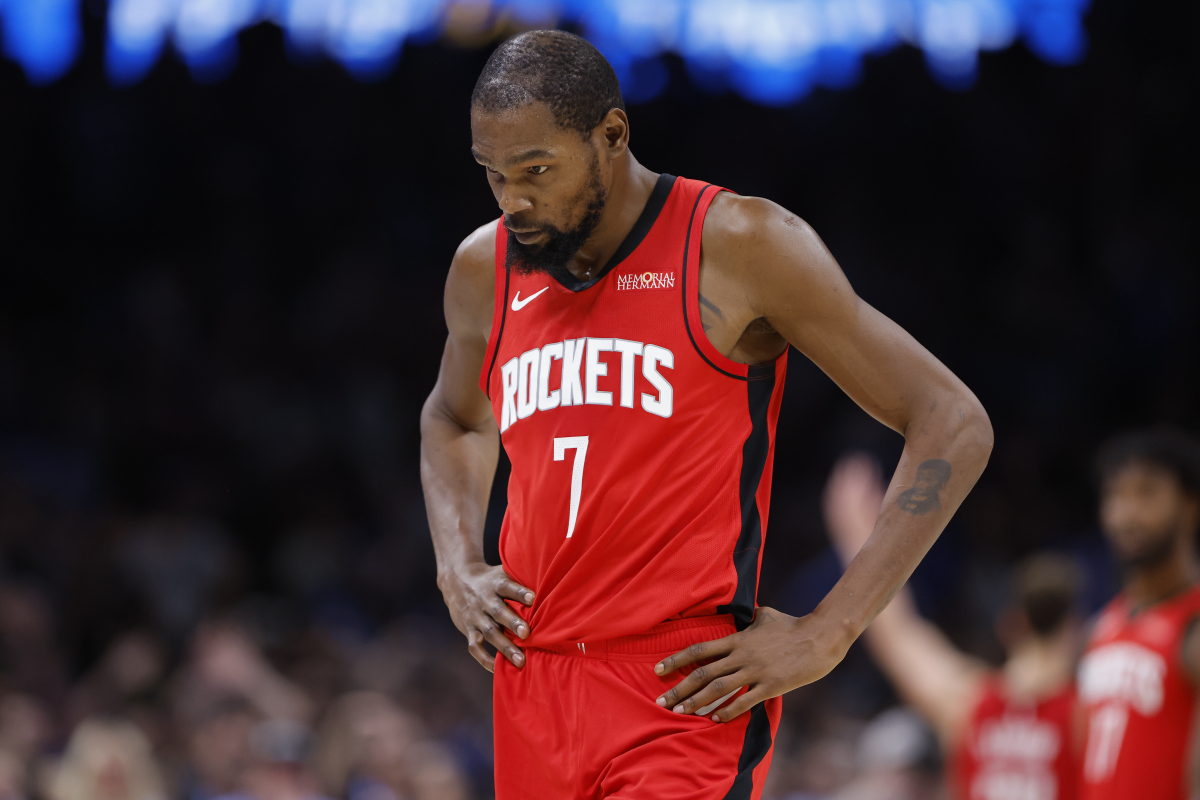
Determine your league format
Start by checking your roster settings. Points leagues favor high-volume scorers, while category leagues will need you to balance the stats across guards, forwards and centers. This way, you don't waste talent and you don't over-draft a position either.
Early pick (1-3)
If you have a top-three pick, then you should be looking for elite, high-ceiling talent only. You shouldn't be so keen on what position they play, just bring in a superstar who can produce massive volume.
Middle pick (4-6)
For the middle slots, you can get creative and flexible. If you can't secure a premier guard at this stage, then try to bring in an elite big man. Once you have a top-tier center in your team, you won't have to worry about chasing rebounds.
Late pick (7-10)
Keep an eye on the board. If your opponent's strategy is to draft centers, then you will have the luxury of choosing from a wide range of elite guards. Capitalize on this and strengthen your backcourt with high-value players who have no business being available that late.
Monitor positional runs
Keep an eye out for "runs" where managers draft the same position consecutively. If other managers are jostling to draft centers, then do the same too. If a position is ignored, then be patient to see what value you can get for yourself later on.
Beginner Mistakes to Avoid
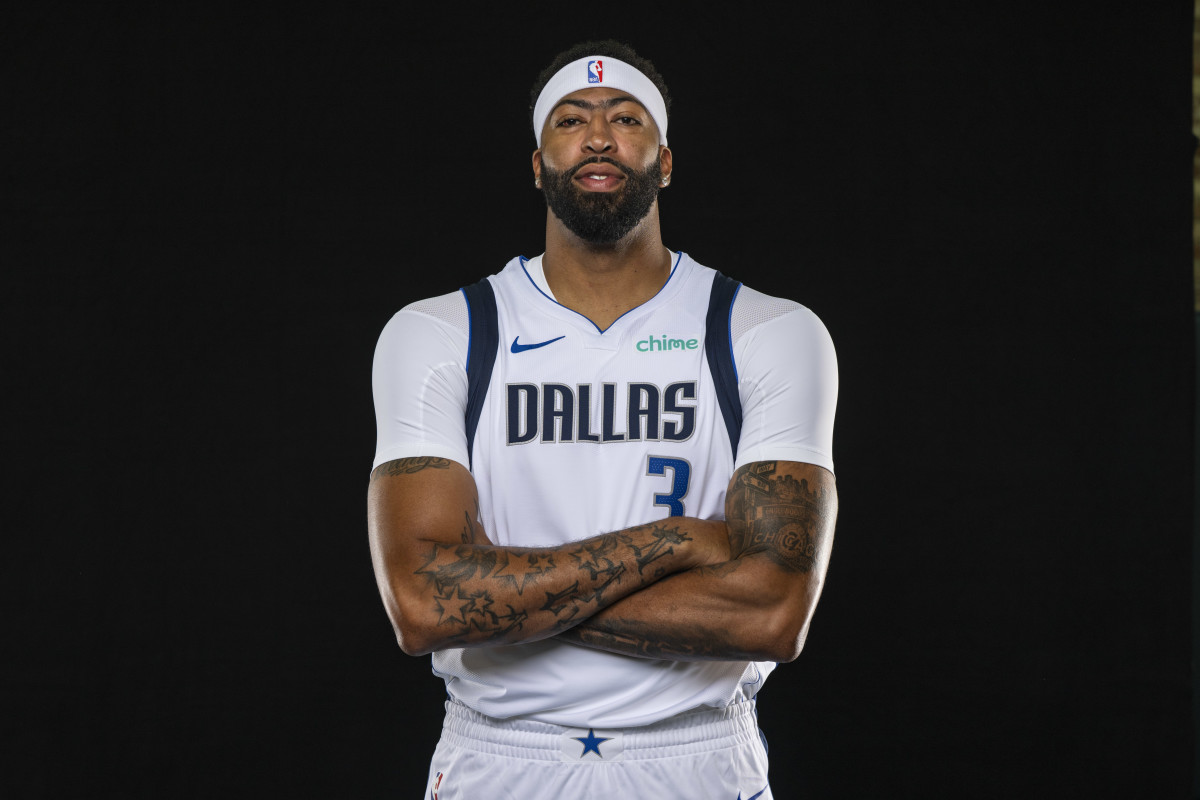
Ignoring your roster composition
Balance is so Important, and can not be overemphasized. Loading up on one position isn't a smart decision, so balance your roster early to ensure statistical variety.
Name value rather than positional value
No matter how famous the name is, do not draft them if their stats don't meet the needs of your team.
Failing to track eligible positions
Dual eligibility players are gold. Do not ignore them or else your roster becomes rigid and harder to manage.
Not adapting
If you miss out on your target player, do not panic. Try to find the best available value elsewhere and keep things moving on smoothly.
People Also Ask
Does position matter in fantasy basketball drafts?
Yes. Positional slots and stat profiles make balance across guards, forwards and centers essential.
When should guards be drafted in fantasy basketball?
Draft guards early if elite assists and threes are scarce; wait if the position is deep.
Why are centers valuable in fantasy basketball drafts?
Centers supply scarce stats like blocks and FG%, with a steep drop after the elite tier.
Are forwards safe picks in fantasy basketball?
Yes. Forwards offer versatile, multi-category production and lineup flexibility.
How does league format affect draft strategy by position?
Points leagues favor volume. Category leagues require positional stat balance.
More must-reads:
- Why Raiders' Kirk Cousins signing is a major win for Fernando Mendoza
- Raiders make Kirk Cousins decision after Klint Kubiak comments related to Fernando Mendoza
- The 'Most Elite Eight appearances' quiz
Breaking News
Trending News








Customize Your Newsletter
 +
+




Get the latest news and rumors, customized to your favorite sports and teams. Emailed daily. Always free!
PRIVACY POLICY COOKIE POLICY CONTACT US
ABOUT YARDBARKER TERMS OF SERVICE


By using this site, you agree to our Terms of Service and Privacy Policy.
This site is for entertainment purposes only.
There is no gambling offered on this site.
Gambling Problem? Call 1-800-Gambler.
