
-

-


Follow Us
-

 On Facebook
 On Flipboard
 On Twitter
Mercedes and Red Bull Powertrains (RBPT) could face potential Formula 1 punishment after rival engine manufacturers (Ferrari, Audi, and Honda) urged the FIA to clarify a grey area within the 2026 power unit regulations, according to German outlet Motorsport Magazin.
While no breach has been established, the situation has drawn increased attention to how the rules will be interpreted and enforced ahead of the new engine era.
At the center of the discussion is the maximum compression ratio, which is capped at 16.0:1 when measured at ambient temperature under the 2026 F1 regulations, as opposed to 18.0:1 under the previous regulation.
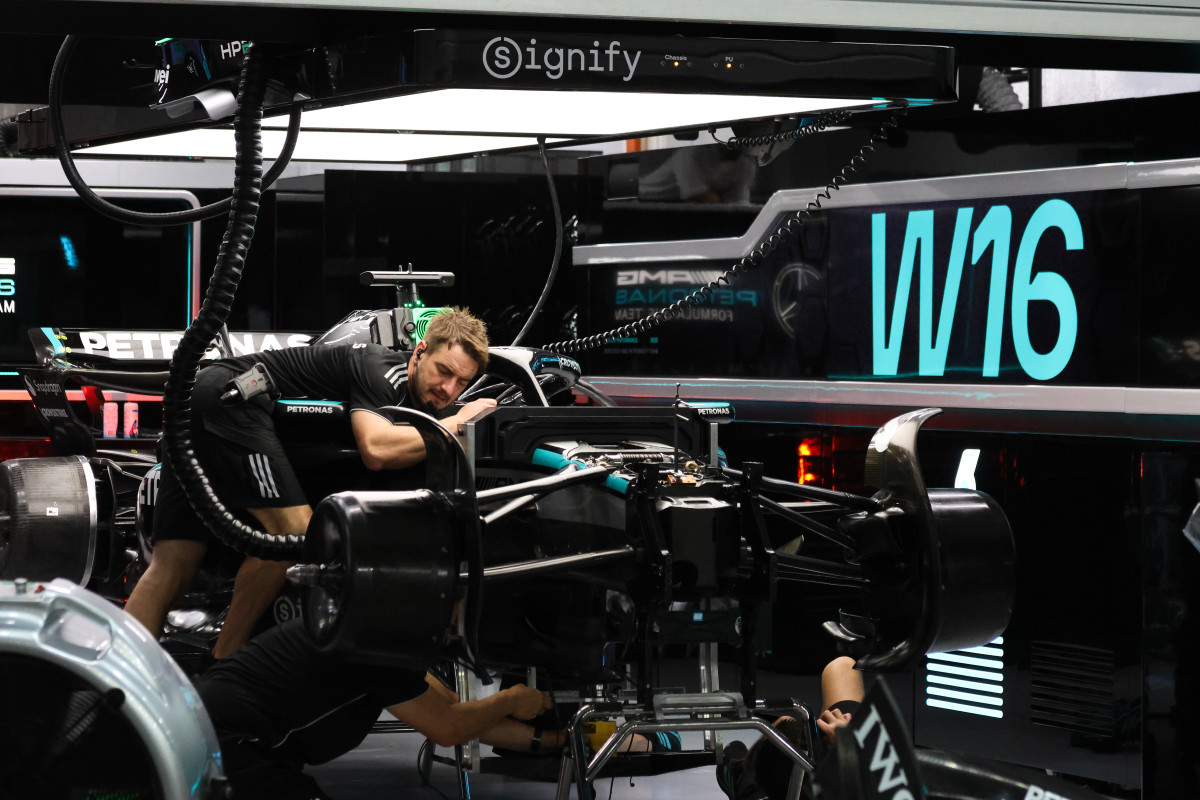
Rival F1 engine manufacturers are understood to be concerned that certain design concepts could comply during static checks while offering a performance advantage once engines reach operating temperatures.
While exactly how the Mercedes and RBPT's trick works remains unknown, rivals estimate that increasing the compression ratio will yield around 15 hp advantage, as per the same Motorsport Magazin report.
FIA's Take on the Matter
The FIA has confirmed the matter is being actively discussed with manufacturers, but stressed that no wrongdoing has been identified.
"The issue will continue to be discussed in technical forums with the engine manufacturers," an FIA spokesperson explained to Motorsport Magazin, as translated by Google auto-translate.
While rivals have pointed to the effects of thermal expansion once an engine is running, the FIA made clear that current rules do not account for measurements under operating conditions.
“Thermal expansion can affect dimensions at operating temperature,” the FIA acknowledged, “but current regulations do not require measurements under hot conditions.”
"The FIA continuously reviews such matters to ensure fairness and clarity. Adjustments to the regulations or measurement procedures may be considered in the future," the FIA spokesperson concluded.
Repercussions if PU Is Deemed Non-Compliant
At this stage, Mercedes and Red Bull Powertrains remain compliant, and no formal investigation or ruling has been made to date.
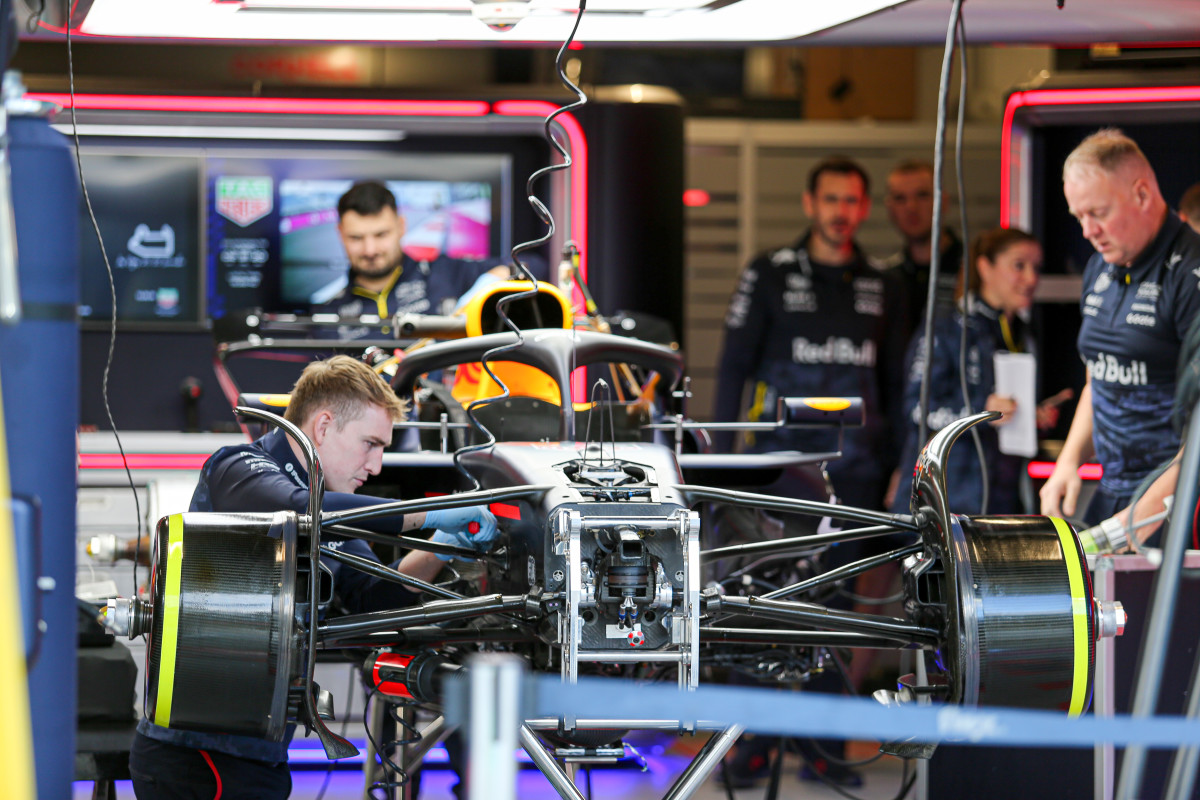
However, if a power unit were later deemed non-compliant, teams could face consequences ranging from mandatory design changes to disqualification should a car fail technical scrutineering.
With engine development already well advanced and the 2026 reset looming, rival teams are keen to eliminate any ambiguity.
Whether the FIA opts to issue further clarification or adjust measurement procedures, the outcome could carry significant implications long before the new era of F1 officially begins.
More must-reads:
- Warriors receive massive Stephen Curry injury update before Rockets game
- Three MLB rookies who could be next in line for extensions
- The 'Most Elite Eight appearances' quiz
Breaking News
Trending News








Customize Your Newsletter
 +
+




Get the latest news and rumors, customized to your favorite sports and teams. Emailed daily. Always free!
PRIVACY POLICY COOKIE POLICY CONTACT US
ABOUT YARDBARKER TERMS OF SERVICE


By using this site, you agree to our Terms of Service and Privacy Policy.
This site is for entertainment purposes only.
There is no gambling offered on this site.
Gambling Problem? Call 1-800-Gambler.
