
-

-


Follow Us
-

 On Facebook
 On Flipboard
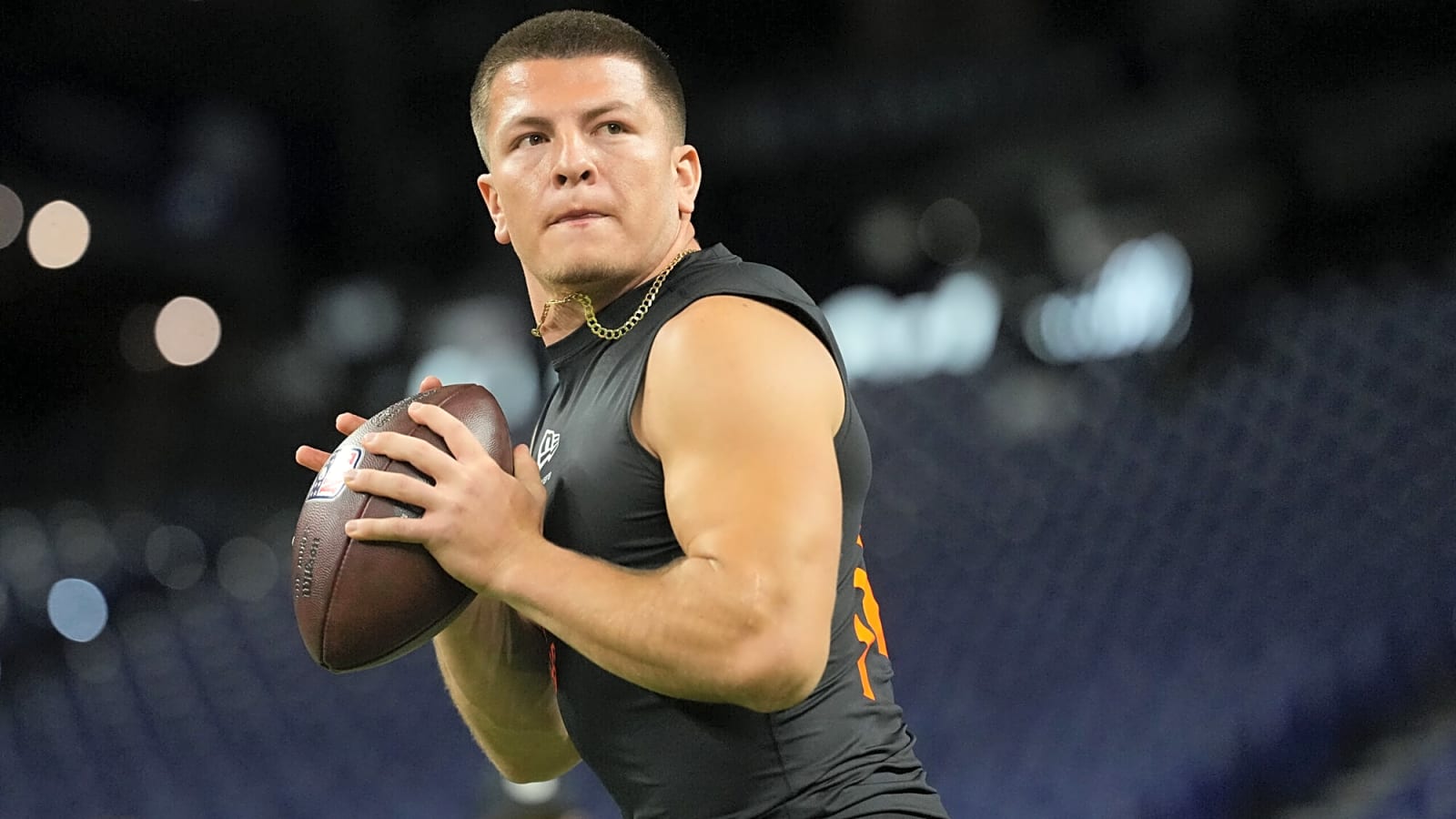
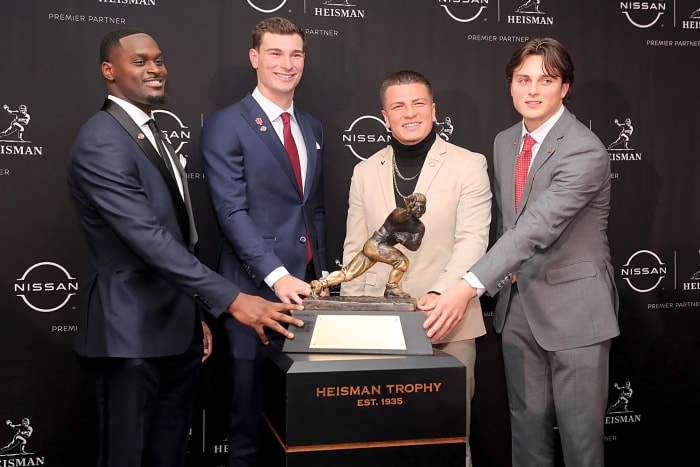
Diego Pavia completed 70.6% of his passes in 2025. Threw 29 touchdowns against 8 interceptions. Won SEC Offensive Player of the Year. Finished second in Heisman voting with 1,435 points. Then sat by his phone for 72 hours while all 32 NFL teams passed on him in every round of the draft. Baltimore finally called with a three-year contract worth $3.1 million. The catch: zero signing bonus, zero guaranteed dollars. The Ravens can cut him tomorrow and owe him nothing. That’s the surface story. The ripples run deeper than anyone’s tracking.
Two Systems, Opposite Verdicts
Heisman voters and NFL scouts evaluated the same quarterback and reached opposite conclusions. Voters gave Pavia 189 first-place votes and ranked him second nationally. NFL scouts measured him at 5-foot-10 with a 28⅝-inch arm, placing him in the first percentile for both metrics. Production didn’t matter. The NFL’s quarterback template filters for height, arm length, and release mechanics above everything else. Pavia’s college dominance failed a checklist that doesn’t care about touchdowns. Fernando Mendoza won the Heisman by 927 points and went first overall. Same award cycle. Completely different evaluation currencies.
The Proving Ground Has a Deadline
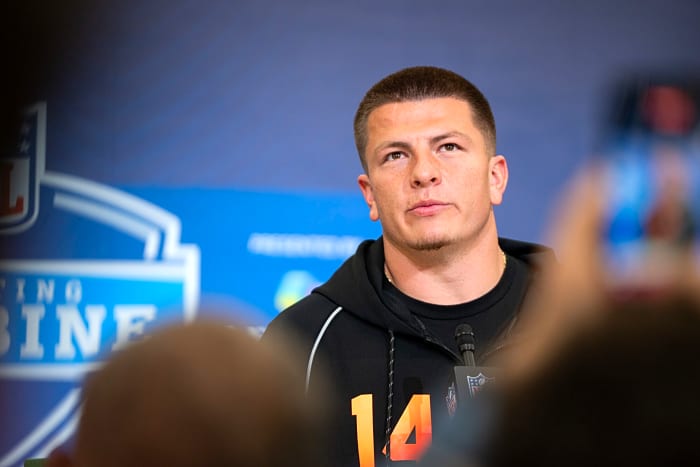
Pavia’s entire NFL future compresses into a four-week window. Rookie minicamp ran May 1-2 at the Under Armour Performance Center. OTAs follow from May 18 through June 4. Mandatory minicamp hits June 9-11. Then training camp and preseason in August, where Vegas oddsmakers describe his path to the 53-man roster as a steep hill to climb. Practice squad remains the most plausible outcome. Every rep between now and September roster cuts either builds his case or ends it. No second chances if he gets hurt. The calendar is the opponent.
Schefter Broke It Before the Tryout
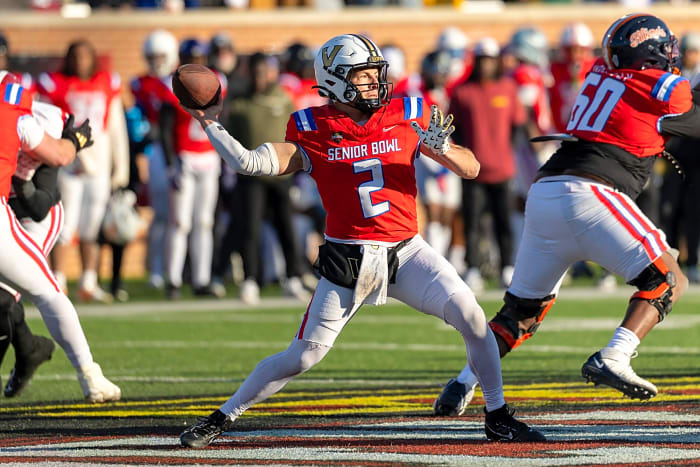
The Ravens were scheduled to host Pavia on a tryout basis at rookie minicamp. Adam Schefter reported on April 27 that Baltimore bypassed the tryout entirely and signed him to a contract in advance. That sequencing matters. Teams rarely convert tryout invites into signed deals before the player walks in the building. Either Baltimore saw tape nobody else prioritized, or they wanted to lock in a UDFA before competing offers surfaced. Front Office Sports confirmed at least one other team had interest. The pre-emptive signing is the clearest signal the Ravens see something real.
Baltimore Already Hedged the Bet
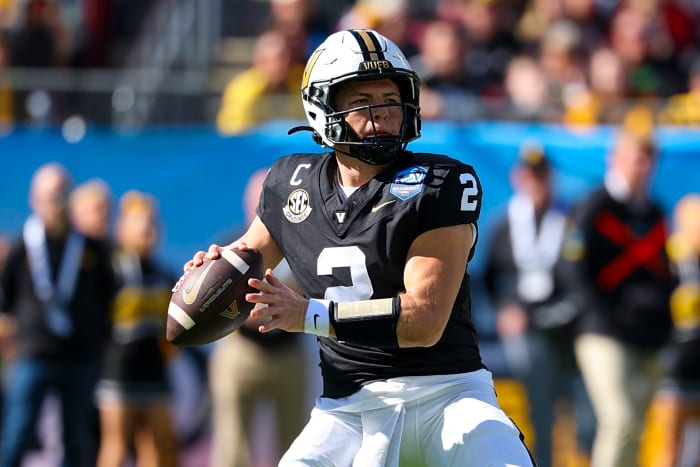
The Ravens didn’t sign Pavia and build around him. They signed Pavia and immediately added a fifth quarterback. Skylar Thompson, a veteran who started three games for the Dolphins, joined the roster after Pavia’s deal closed. Baltimore now carries five QBs: Lamar Jackson, Tyler Huntley, Thompson, Pavia, and UConn’s Joe Fagnano. Huntley’s veteran backup contract dwarfs Pavia’s by multiples. That gap tells the real story. Proven backups get real money. Heisman finalists with small frames get auditions. The business response to Pavia’s college resume was a shrug and a contingency plan.
The Pay Cut Nobody Mentioned
Pavia earned a reported $2.5 million in NIL money during his final season at Vanderbilt. His rookie-year Ravens salary will fall between $885,000 and roughly $1 million under CBA minimums. That’s a 60 percent pay cut to go from college star to NFL auditioner. The financial inversion is the real story college programs don’t advertise. For fringe NFL prospects with strong NIL markets, staying in college one more year often pays better than going pro. Pavia took the cut anyway because the NFL clock doesn’t wait.
Vanderbilt’s Recruiting Just Got Complicated
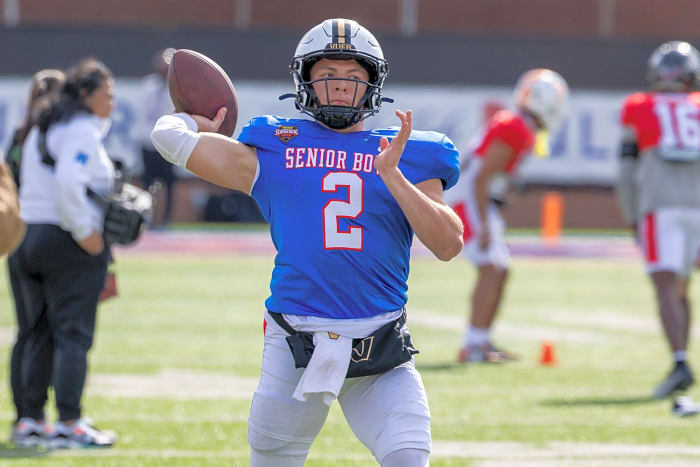
Before going undrafted, Pavia helped flip five-star quarterback Jared Curtis from Georgia to Vanderbilt, the highest-ranked commitment in school history. Pavia transformed the Commodores from SEC cellar dwellers to a 10-3 program. Now Curtis watches the player who sold him on Vanderbilt get treated like an anonymous walk-on at an NFL minicamp. Think about that recruiting pitch collapsing in real time. If Vanderbilt’s best quarterback in a generation can’t get drafted, what does that signal to every high school prospect weighing a commitment to Nashville? The ripple hits college football’s entire mid-tier recruiting economy.
The Template That Overrides Everything
Every ripple traces back to one mechanism. The NFL’s measurables template for quarterbacks is non-negotiable. Height. Arm length. Release point. Pocket mechanics. Pavia failed every physical checkbox despite elite production. First percentile height. First percentile arm. Average arm strength. The system filtered him out exactly as designed. Vanderbilt’s recruiting suffers because the template rejected their star. The Ravens hedged because the template says he’s a long shot. The $0 guarantee exists because the template says don’t invest. One checklist. Five industries feeling the consequences. Same mechanism, different victims.
Show Us What You Can Do
Head coach Jesse Minter stood at the podium and delivered the line that crystallized everything: “So now he’s in the door and it’s like, ‘Show us what you can do.’ And just like all the undrafted rookies, that’s what I would say.” Just like all the undrafted rookies. A coach addressing a player who finished second in the most prestigious award in college football, using the same language he’d use for a seventh-round afterthought. That quote isn’t cold. It’s accurate. And the accuracy is what stings.
Minter’s First Draft Class Tells the Story
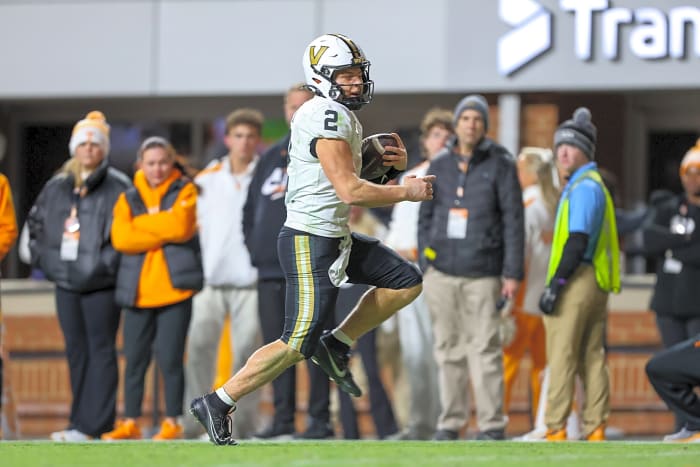
This was Jesse Minter’s first draft as Baltimore’s head coach after replacing John Harbaugh in January 2026. The Ravens opened by drafting an offensive lineman in the first round and continued prioritizing the trenches throughout the class. No quarterback was selected in any round. That’s a defensive-minded head coach prioritizing the line of scrimmage and trusting the Lamar Jackson depth chart to sort itself. Pavia wasn’t a draft miss. He was a post-draft flier on a coaching staff that never planned to spend a pick on the quarterback position.
A 12-Year Precedent Returns
Pavia became the first Heisman finalist to go undrafted since Jordan Lynch of Northern Illinois in 2014. That 12-year gap matters. Lynch never played a regular-season NFL snap. The precedent is brutal, and it reinforces a structural reality. When the measurables template rejects a college star, the rejection tends to be permanent. If Pavia follows the Lynch trajectory, future Heisman finalists with below-average measurables face an even steeper draft discount. The award itself loses predictive credibility at the professional level. One undrafted finalist is an anomaly. Two in a generation starts looking like a pattern.
The NIL Era’s First Real NFL Test Case
Pavia is among the first headline NIL-era quarterbacks to hit the pro pipeline. His successful NCAA eligibility lawsuit in 2024 extended his career and reshaped transfer rules across college football. Scouts now face a question they haven’t had to answer before. How do you evaluate a 24-year-old Heisman finalist whose college production came with an extra year of physical maturity? Some teams treated the age as a red flag. Others treated the lawsuit as a signal of self-advocacy. The split is why Pavia went undrafted instead of falling to Day 3. Evaluators couldn’t agree on which version of his profile was real.
Who Wins, Who Loses, What to Watch
The Ravens win regardless. Zero financial risk, potential upside if Pavia’s dual-threat mobility fits their RPO-heavy offense behind Lamar Jackson. Every short-framed college quarterback loses. Pavia’s case deepens the NFL’s height bias for a generation of sub-six-foot passers who now face automatic disqualification regardless of production. Mid-round quarterback prospects lose too. If a Heisman runner-up goes undrafted, teams skip the middle tier entirely, grabbing elite prospects early or gambling on UDFAs late. The draft’s middle rounds for quarterbacks are hollowing out. Pavia’s fall accelerated that collapse.
The Roster Math at Training Camp
Baltimore can realistically keep three quarterbacks on the 53-man roster. Lamar Jackson is locked. Tyler Huntley is the established backup. That leaves one seat for Thompson, Pavia, and Fagnano to fight over, and the practice squad holds two more. Thompson has NFL starts on his resume. Fagnano was signed earlier in the cycle. Pavia is the newest arrival with zero guaranteed money, meaning he’s the easiest cut if the math tightens. His path isn’t beating out Jackson or Huntley. It’s out-performing two other backups in four weeks of shorts-and-shells practice before pads even come on.
The Cascade Keeps Breaking
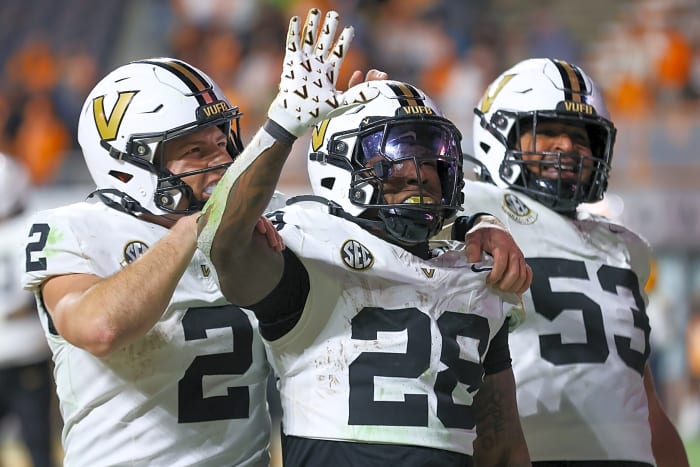
August preseason becomes the next inflection point. If Pavia earns a roster spot, the entire UDFA quarterback market overheats as teams chase the next overlooked gem. If he washes out to the practice squad, it confirms that college production and NFL readiness occupy different planets. Either outcome rewrites how teams value quarterback prospects for years. One injury to Jackson or Huntley, and Pavia faces an NFL defense under emergency conditions with everything on the line. The cascade started with a measurables checklist. It ends wherever Pavia’s arm takes him. And nobody knows where that is yet.
Tell us in the comments: is Diego Pavia a practice-squad lottery ticket, a Week-One roster lock, or the next Jordan Lynch, and which NFL team should have drafted him before Baltimore got him for free?
Sources:
Pavia, Diego. “Diego Pavia 2025 Game Log.” ESPN, Dec. 27, 2025.
Heisman Trust. “2025 Heisman Trophy Voting Results.” Heisman.com, Dec. 13, 2025.
Baltimore Ravens. “Ravens Sign 19 Undrafted Rookies, Including QB Diego Pavia.” BaltimoreRavens.com, April 30, 2026.
Schefter, Adam. “Ravens Signing Undrafted Vanderbilt QB Diego Pavia to Three-Year Deal.” NFL.com, April 27, 2026.
Florio, Mike. “Diego Pavia Received No Signing Bonus With the Ravens.” NBC Sports Pro Football Talk, May 1, 2026.
Baltimore Ravens. “Ravens Signing Veteran Quarterback Skylar Thompson.” BaltimoreRavens.com, May 3, 2026.
More must-reads:
- Knicks get massive OG Anunoby update ahead of Game 3 vs. 76ers
- New OC Frank Reich makes stunning claim about Jets' ineptitude
- The 'NBA scoring champions' quiz
Breaking News
Trending News


Customize Your Newsletter
 +
+




Get the latest news and rumors, customized to your favorite sports and teams. Emailed daily. Always free!
PRIVACY POLICY COOKIE POLICY CONTACT US
ABOUT YARDBARKER TERMS OF SERVICE


By using this site, you agree to our Terms of Service and Privacy Policy.
This site is for entertainment purposes only.
There is no gambling offered on this site.
Gambling Problem? Call 1-800-Gambler.
