
-

-


Follow Us
-

 On Facebook
 On Flipboard

“Streaming” in fantasy football is a roster-management strategy where you do not commit to one starter for the entire season at a given position. Instead, you cycle through short-term options from the waiver wire (or free agency), selecting the best play for that week based on matchup, role, game environment, and schedule.
Most managers stream positions that tend to produce usable weekly options outside the elite tier, especially at quarterback, tight end, defense/special teams (D/ST), and kicker. The goal stays simple: Turn a replaceable roster spot into weekly point-maximization without paying the draft-day cost (or trade cost) of a set-and-forget starter.
Streaming Defined
A manager streams when they treat a position like a weekly decision rather than a season-long investment.
- You add a player for a specific week (or a short block of weeks).
- You start that player based on a favorable setup.
- You often drop that player afterward to make room for the next week’s option.
Streaming is not random churn. A good streaming approach follows a repeatable evaluation process that weighs weekly scoring conditions more heavily than name value.
Why Streaming Works
Streaming works when a position has three traits:
- High weekly variance: Results swing based on opponent, game script, and touchdown distribution.
- Replaceable scoring: The difference between “starter No. 6” and “starter No. 16” is often smaller than it feels.
- Available supply: Waiver wires usually include playable options in many league sizes.
Managers stream to avoid spending premium draft capital on positions where weekly outcomes often depend on context more than talent alone.
Positions People Stream Most
Quarterback
One-quarterback leagues often leave viable starters on waivers because only a small number of teams start the position each week. Streaming quarterbacks usually emphasizes:
- Opponents that allow efficient passing or high touchdown rates.
- Game environments that push volume (competitive spreads, higher totals).
- Rushing ability, which adds a stable scoring floor.
Tight End
Tight end has a small elite tier and a large middle class. Streaming tight ends focuses on role signals that translate to fantasy points:
- Routes and snap share.
- Red-zone usage and end-zone targets.
- Injuries that create short-term opportunity.
Defense/Special Teams
D/ST streaming is common because defensive scoring often depends on the opponent’s tendencies:
- Turnover-prone quarterbacks.
- High sack rates allowed by the offensive line.
- Low implied point totals for the opponent.
- Backup quarterbacks and injured offensive skill groups.
A defense does not need to be “good in real football” to be a strong fantasy play in a specific matchup.
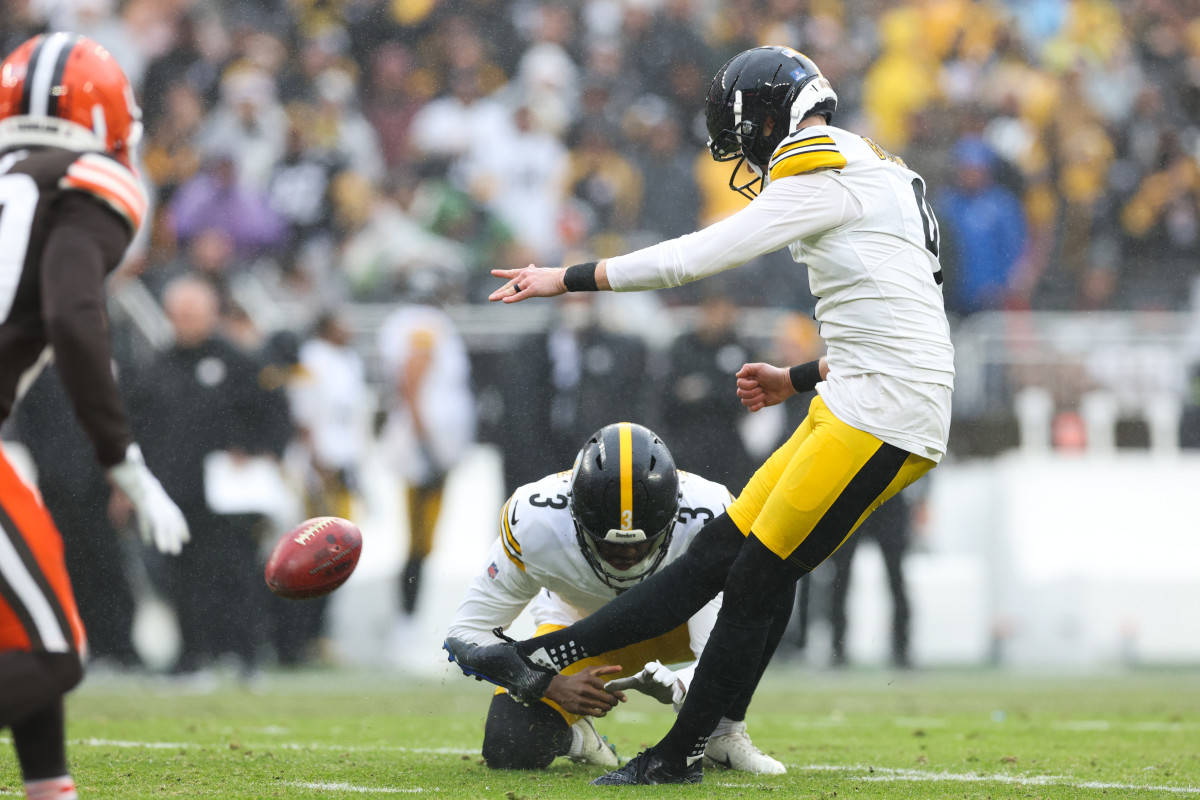
Kicker
Kicker scoring leans heavily on game flow and drive quality:
- Offenses that move the ball but sometimes stall in field-goal range.
- Games with manageable wind and weather.
- Spreads that suggest sustained scoring opportunities.
Streaming kickers usually produces similar season-long results to drafting an early kicker, while preserving draft capital for scarcer positions.
Flex Spots and Deep Leagues
Managers can stream running backs and wide receivers in deeper formats, but streaming becomes harder as league size grows. The waiver wire thins quickly, and you need clearer role-based triggers (injuries, depth-chart changes, or usage spikes) to stream reliably.
The Core Inputs for Streaming Decisions
A streaming decision typically improves when it blends matchup context with player role. The following inputs form a practical “checklist”:
- Role stability: Snaps, routes, carries, and designed usage determine opportunity.
- Matchup quality: Defensive strengths and weaknesses shape efficiency and scoring chances.
- Game environment: Competitive games tend to support full-game volume; blowouts can erase passing or kicking opportunities.
- Short-term schedule: A player with two favorable matchups can provide more value than a one-week rental.
- Roster cost: Dropping a useful bench piece for a marginal stream often creates a hidden loss.
Streaming is as much about what you keep as what you add.
A Simple Week-to-Week Streaming Workflow
A repeatable streaming process keeps decisions consistent from week to week.
- Choose the stream spot: Commit to streaming only when you don’t have an every-week starter at the position.
- Build a short list: Identify three to five candidates who combine playable usage with a favorable matchup.
- Work the waiver system: Use waiver priority or FAAB when the gap between options looks meaningful, not marginal.
- Plan ahead: Add next week’s streamer early when you have bench space, especially around byes.
- Recheck late-week variables: Monitor injuries, depth-chart notes, weather, and line movement that can change volume or scoring chances.
- Make the start decision: Favor the clearest opportunity path for that week, not last week’s box score.
Common Streaming Mistakes
Streaming fails most often when managers treat it like guesswork.
- Chasing last week’s points: Touchdowns create noisy week-to-week results, especially at tight end and D/ST.
- Ignoring role in favor of matchup: A great matchup cannot fix a player who rarely plays.
- Dropping long-term assets: Bench players with rising roles can matter more than a small weekly upgrade at a streamable position.
- Streaming too many positions at once: Heavy churn increases decision load and increases the odds you cut the wrong player.
- Overpaying on waivers: Spending major resources on a one-week rental usually backfires unless the edge is clearly large.
Streaming vs. Stashing
Streaming and stashing can look similar on the surface, but they serve different goals.
- Streaming: You add a player to start immediately due to favorable short-term conditions.
- Stashing: You add a player for future value, expecting a role increase later (often driven by injury risk, depth-chart change, or talent).
A strong roster often does both: You stream one position while you stash upside elsewhere.
Bottom Line
Streaming in fantasy football is a disciplined strategy that treats certain positions as weekly optimization problems. When you stream correctly, you trade brand-name certainty for a repeatable process — one that can produce starter-level points without sacrificing premium draft capital.
More must-reads:
- Report: LeBron James sweepstakes are down to two teams
- Latest World Cup 2026 takeaways: USMNT delivers a knockout blow, but loses star player
- The 'NBA Rookies of the Year' quiz
Breaking News
Trending News




Customize Your Newsletter
 +
+




Get the latest news and rumors, customized to your favorite sports and teams. Emailed daily. Always free!
PRIVACY POLICY COOKIE POLICY CONTACT US
ABOUT YARDBARKER TERMS OF SERVICE


By using this site, you agree to our Terms of Service and Privacy Policy.
This site is for entertainment purposes only.
There is no gambling offered on this site.
Gambling Problem? Call 1-800-Gambler.
