
-

-


Follow Us
-

 On Facebook
 On Flipboard
 On Twitter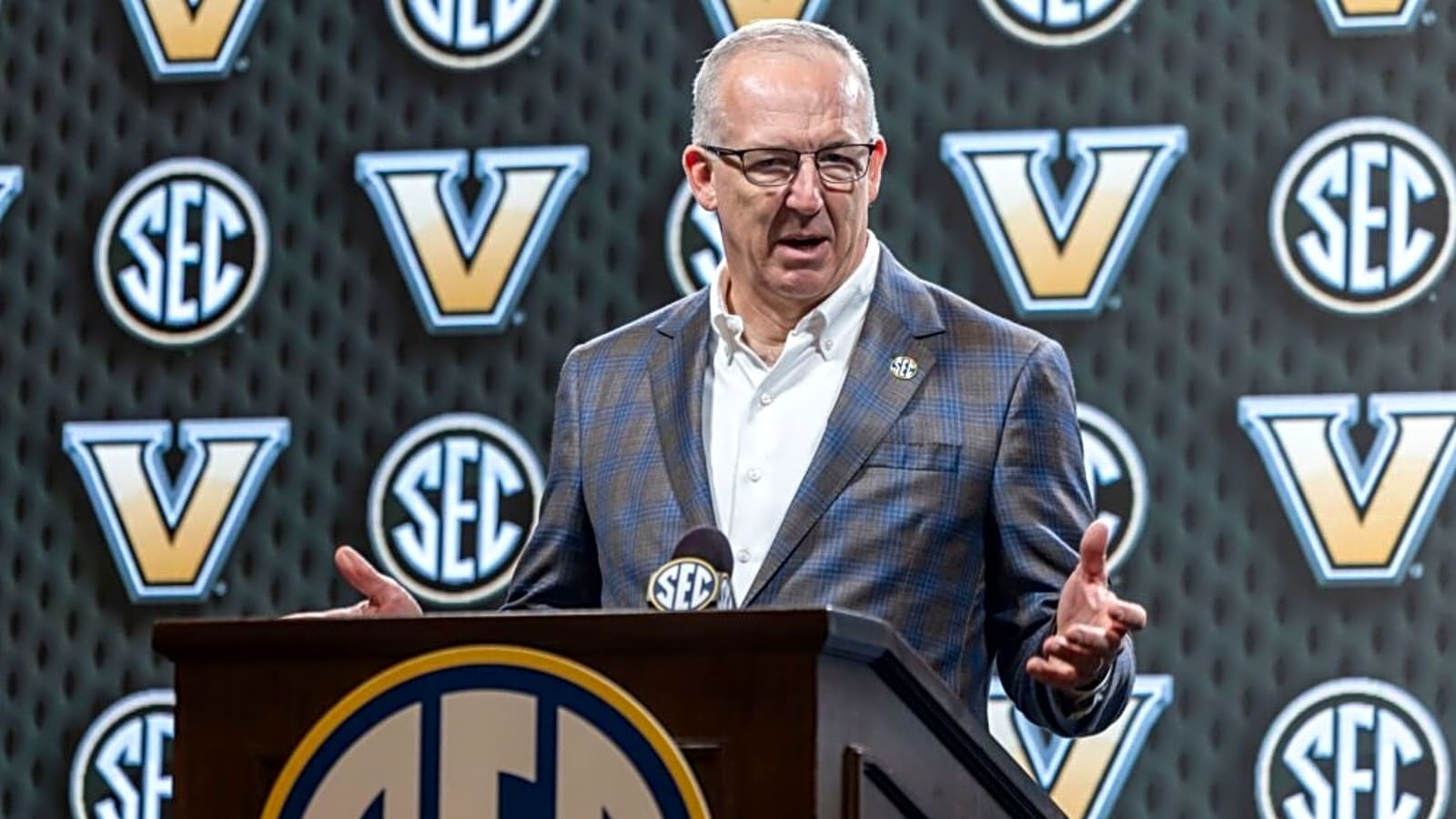
Greg Sankey has emerged as a key figure in one of the most closely watched eligibility debates in college sports. His involvement highlights the growing tension between NCAA governance and the courts. As SEC commissioner, Sankey’s stance carries influence far beyond his conference, shaping how administrators view the future of college athletics.
Sankey has led the Southeastern Conference since 2015, overseeing an era of unprecedented growth and dominance. Sankey, who bashed ESPN a while back, led the SEC to massive media-rights deals, expanded its national footprint, and consistently set the standard in football, baseball, and other major sports. Before becoming commissioner, Sankey spent more than a decade working in the SEC’s central office, giving him deep familiarity with NCAA rules, conference governance, and the balance between competition and regulation.
Why the Eligibility Case Has Drawn National Attention to Greg Sankey
The current controversy revolves around whether athletes who have already competed professionally should be allowed to return to college sports and regain NCAA eligibility. A recent legal challenge led to a temporary court order allowing such participation, immediately raising alarms across college athletics. Conference leaders worry that similar lawsuits could dismantle long-standing eligibility rules and create competitive imbalances across rosters.
In a groundbreaking affidavit, SEC commissioner Greg Sankey urges a court to uphold NCAA eligibility standards and prevent Alabama’s Charles Bediako from playing, citing policies that are “essential to the integrity of college sports.”
— Ross Dellenger (@RossDellenger) February 5, 2026
Full story – https://t.co/acfpagzvwq pic.twitter.com/WnKc67N7c4
Sankey stepped directly into the debate by submitting a sworn affidavit in support of the NCAA’s position. He argued that allowing former professional athletes back into college competition would undermine fairness, disrupt roster management, and reduce opportunities for student-athletes who follow traditional development pathways. His filing made clear that the SEC views this issue as a systemic threat rather than an isolated case.
What Greg Sankey’s Involvement Means for College Sports

Beyond the individual lawsuit, Sankey’s stance reflects a broader concern about courts increasingly shaping college sports policy. From NIL to transfer rules and eligibility extensions, legal rulings have steadily weakened the NCAA’s authority. Sankey has acknowledged the need for reform but maintains that change should come through structured governance, not emergency injunctions that set sweeping precedents.
As the case moves forward, Greg Sankey’s role underscores his reputation as one of college sports’ most powerful decision-makers. Whether the courts side with the NCAA or the athlete, the outcome could redefine eligibility standards—and further clarify how much control conferences and governing bodies truly retain in the modern era of college athletics.
More must-reads:
- Three MLB rookies who could be next in line for extensions
- Cowboys have a dangerous plan for George Pickens' contract
- The 'Most Elite Eight appearances' quiz
Breaking News
Trending News







Customize Your Newsletter
 +
+




Get the latest news and rumors, customized to your favorite sports and teams. Emailed daily. Always free!
PRIVACY POLICY COOKIE POLICY CONTACT US
ABOUT YARDBARKER TERMS OF SERVICE


By using this site, you agree to our Terms of Service and Privacy Policy.
This site is for entertainment purposes only.
There is no gambling offered on this site.
Gambling Problem? Call 1-800-Gambler.
