
-

-


Follow Us
-

 On Facebook
 On Flipboard

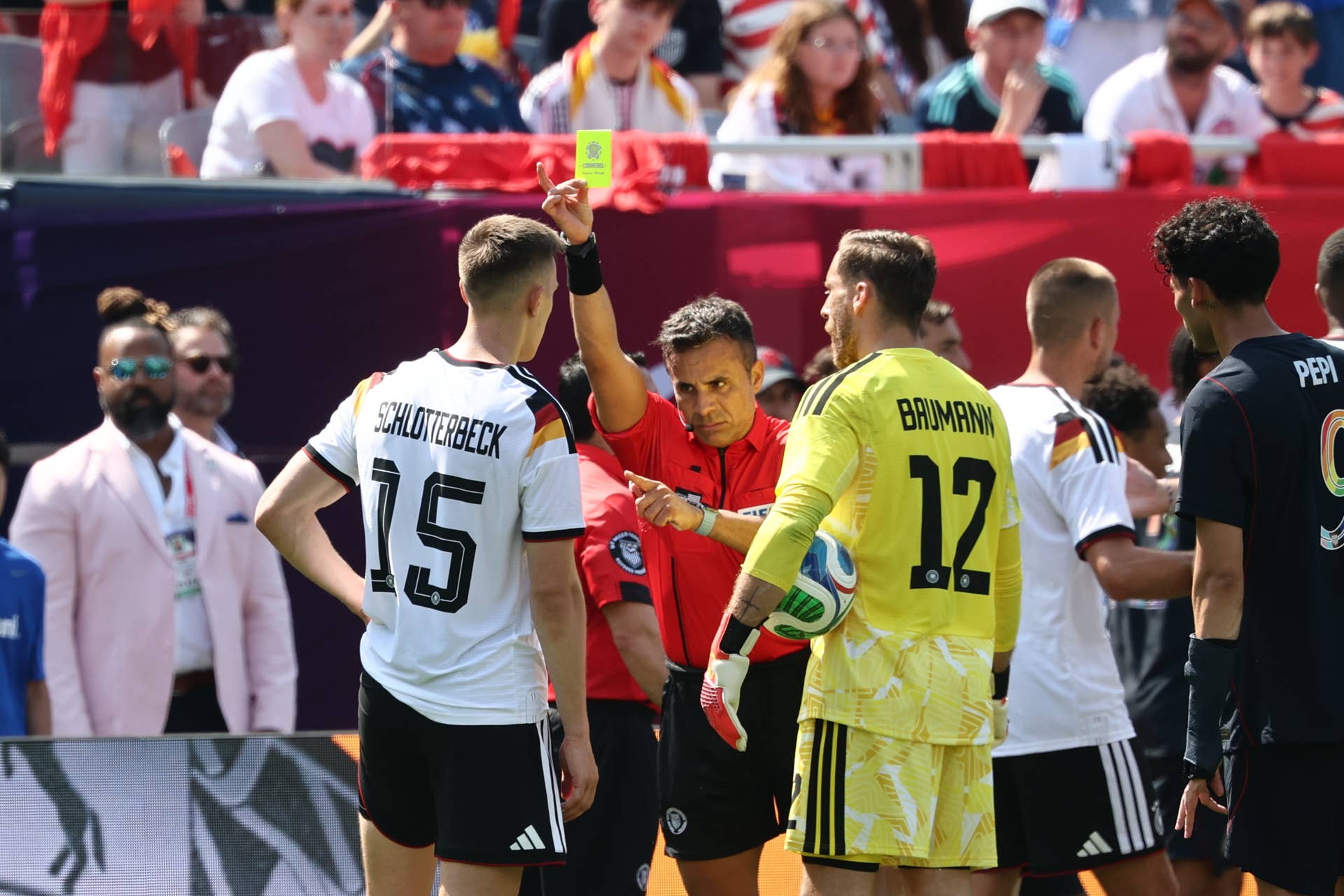
The 2026 World Cup introduces a small but important change to discipline rules, especially around yellow card accumulation. With the tournament expanding to 48 teams and adding an extra knockout round, FIFA adjusted the system to make sure players aren’t unfairly suspended in the later stages.
With more matches and an extra knockout round (the Round of 32), FIFA had to rethink how yellow cards carry through the tournament. The goal is to keep suspensions fair. So they introduced the reset system to stop players missing the final due to early-stage yellows, keep the knockout rounds competitive, and reduce unfair accumulation over a longer schedule.
So how does it work?
Do yellow cards reset in World Cup 2026?
Yes, and not just once.
In 2026, single yellow cards are wiped out twice during the tournament:
- Once after the group stage
- and again after the quarter-finals
That means players don’t carry a long chain of minor bookings all the way to the final. But the system is split into clear disciplinary “blocks”.
Block 1: The group stage reset
The first phase is the group stage, where every team plays three matches.
During this stage:
- players can collect yellow cards as normal
- 2 yellows across different games still equals a one-match suspension
But once the group stage ends, everything changes.
All single yellow cards are cleared before the Round of 32 starts.
So players enter the knockout rounds with a clean slate.
Block 2: Round of 32 to quarter-finals
From the Round of 32 through to the quarter-finals:
- yellow cards are tracked again
- but only within this knockout block
If a player picks up another yellow during this phase, it can still lead to suspension, but only if it’s their second booking within the same block.
Once the quarter-finals are finished, another reset kicks in.
Second reset: after the quarter-finals
After the quarter-final matches:
- all single yellow cards are wiped again
- players enter the semi-finals with zero caution carryover
This is a big deal because it ensures no one misses the World Cup final because of earlier, routine bookings.
From this stage onward, discipline tightens: only major incidents can affect availability.
Block 3: Semi-finals and the final
At this point in the tournament:
- players start fresh in terms of yellow card accumulation
- but red cards still carry full consequences
So the semi-finals and final are protected from long-term booking buildup, but not from serious fouls.
Important exceptions
Even with resets, there are strict rules that don’t bend.
1. Two yellow cards = suspension
If a player receives 2 yellow cards in different matches within the same block, they are still suspended for the next game.
The reset only removes single pending yellows, not completed suspensions.
2. Quarter-final caution timing matters
If a player picks up their second booking in the quarter-finals, the suspension is not erased by the reset.
That means they can still miss the semi-final.
3. Red cards are always punished
No reset applies to:
- direct red cards
- or two yellows in the same match
These always lead to suspension, regardless of stage
Simple summary
- Yellow cards reset after the group stage
- They reset again after the quarter-finals
- Two yellows in separate games = suspension
- Red cards always result in bans
- Quarter-final bookings can still cause semi-final suspensions
With the 2026 system, FIFA wanted to not let early tournament fouls decide who can or can’t play in the biggest matches.
More must-reads:
- NFL scout predicts who will win Browns' Shedeur Sanders, Deshaun Watson competition
- Aaron Boone makes blunt admission about Yankees' losing streak
- The '2018-19 PPG leaders by team' quiz
Breaking News
Trending News




Customize Your Newsletter
 +
+




Get the latest news and rumors, customized to your favorite sports and teams. Emailed daily. Always free!
PRIVACY POLICY COOKIE POLICY CONTACT US
ABOUT YARDBARKER TERMS OF SERVICE


By using this site, you agree to our Terms of Service and Privacy Policy.
This site is for entertainment purposes only.
There is no gambling offered on this site.
Gambling Problem? Call 1-800-Gambler.
