
-

-


Follow Us
-

 On Facebook
 On Flipboard


The azaleas will bloom again this April, and with them comes golf’s most anticipated week. The Masters Tournament returns to Augusta National Golf Club for its 90th playing, bringing with it all the tradition, drama and impossible-to-replicate magic that make this event unlike anything else in sports.
I’ve been fortunate enough to attend the Masters several times over my nearly three decades in this industry, and I can tell you that no amount of television coverage prepares you for the experience of walking those grounds. The way that the roars of the gallery echo through the pines. The impossibly vivid green of the fairways. The weight of history pressing down on every shot.
I have been to all but two Masters since the spring of 2010. That’s 14 of the last 16 editions. Each visit reinforces why this tournament stands apart. The traditions, the pristine conditions, the way the course reveals character. It never gets old.
This year’s tournament, scheduled for April 9-12, promises to deliver another chapter in the storied history of golf’s first major championship of the year. And if last year taught us anything, it’s that the Masters has a way of writing scripts that Hollywood wouldn’t dare attempt.
Rory’s Redemption: The Story That Defined 2025
Let’s start where we must: with Rory McIlroy finally, mercifully, gloriously completing the career Grand Slam. After years of near-misses, heartbreaks and mounting pressure, the Northern Irishman conquered Augusta National in a playoff against Justin Rose that had the entire golf world holding its breath.
I was on the grounds at Augusta National all week through early Saturday, soaking in the atmosphere and watching the drama unfold. But for Sunday’s final round, I made the decision to head home to Florida to watch Rory’s potential triumph from the comfort of my favorite recliner. Sometimes, for the moments that matter most, you want to be somewhere you can truly absorb every shot without distraction.
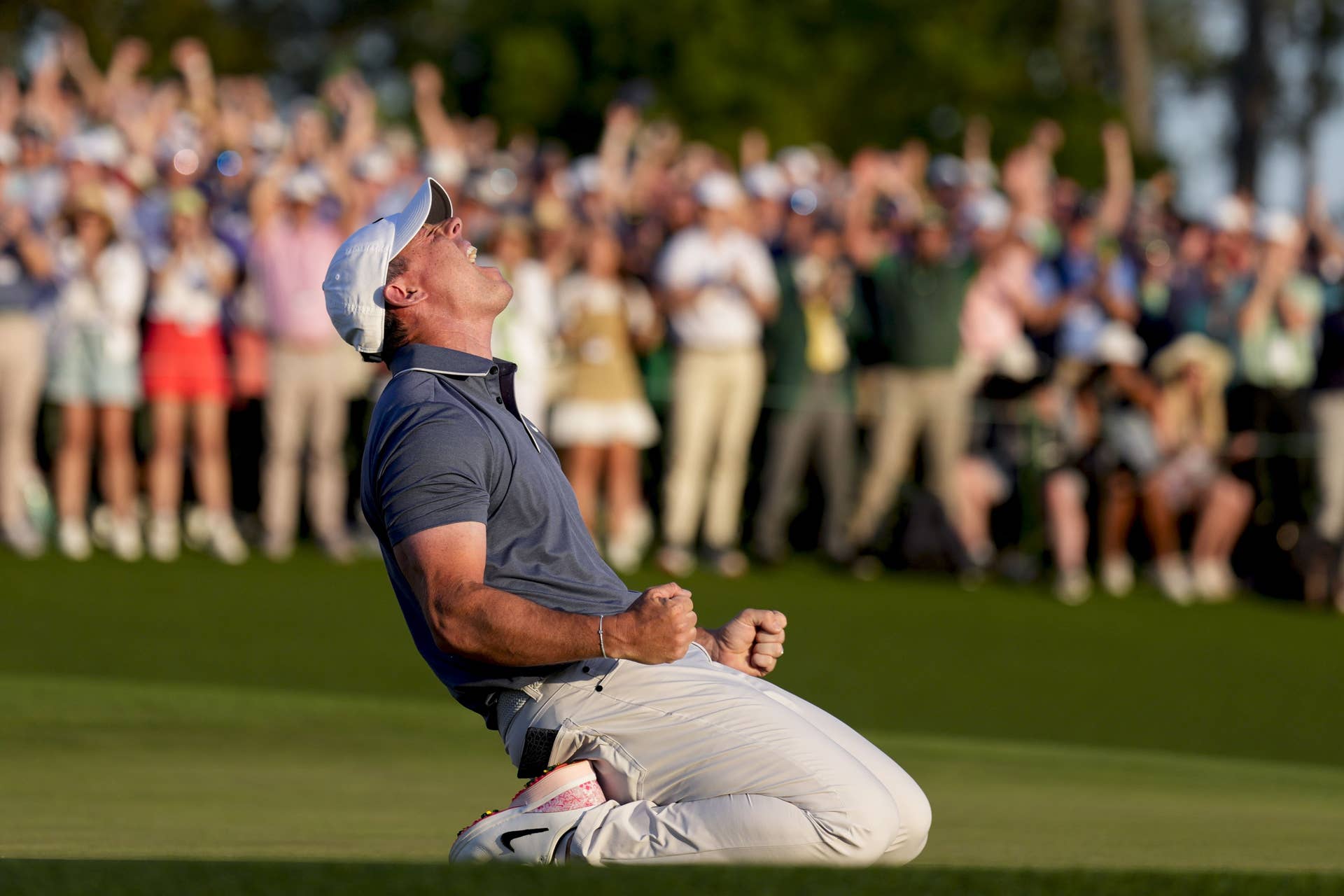
And what a final round it was. McIlroy started the day with a two-shot lead but immediately stumbled with a double bogey on the first hole, handing the lead to Bryson DeChambeau. It was the kind of start that has derailed many Masters dreams before. But Rory showed the mental fortitude that has defined his career, clawing his way back and building a four-shot lead on the back nine.
Then came the drama that makes the Masters unlike any other tournament. A double bogey on the par-5 13th (Azalea, that beautiful, treacherous hole that has broken so many hearts) followed by a bogey on the 14th. Just like that, the lead evaporated. The ghosts of Augusta were whispering again.
But then came the 15th hole, Firethorn, and the shot that defined Rory’s Sunday. His tee shot wandered toward the trees on the left, settling behind a stand of pines with 209 yards to the green. Everyone expected a layup, the safe play, the percentage shot. Instead, Rory pulled a 7-iron and hit one of the most audacious shots you’ll ever see at Augusta National. The ball launched high, drawing perfectly around the trees, landing softly on the green and rolling to within six feet of the pin. I jumped out of my recliner. The roar from the gallery told you everything you needed to know. He missed the eagle putt, but the birdie gave him a one-shot lead over Rose and, more importantly, reminded everyone watching that this was Rory McIlroy’s time.
Rory made a clutch birdie on the 17th hole to maintain a one-shot lead heading to the 72nd hole. Standing on the 18th tee, he needed only a par to finally claim the green jacket that had eluded him for so long. His drive found the fairway. His approach shot, however, found a greenside bunker.
From there, Rory played a solid bunker shot but faced a 5-foot putt to win the Masters. Five feet. For professional golfers, it’s a highly makeable distance. But with the weight of history, the pressure of completing the Grand Slam and the memory of every near-miss at Augusta bearing down, that putt might as well have been 50 feet.
He missed.
The bogey tap-in meant a playoff with Rose, who had finished his excellent final round with a long birdie putt on the 18th to post 11-under. Rose, the 2013 U.S. Open champion and one of the most consistent players of his generation, was seeking his second major title at age 44.
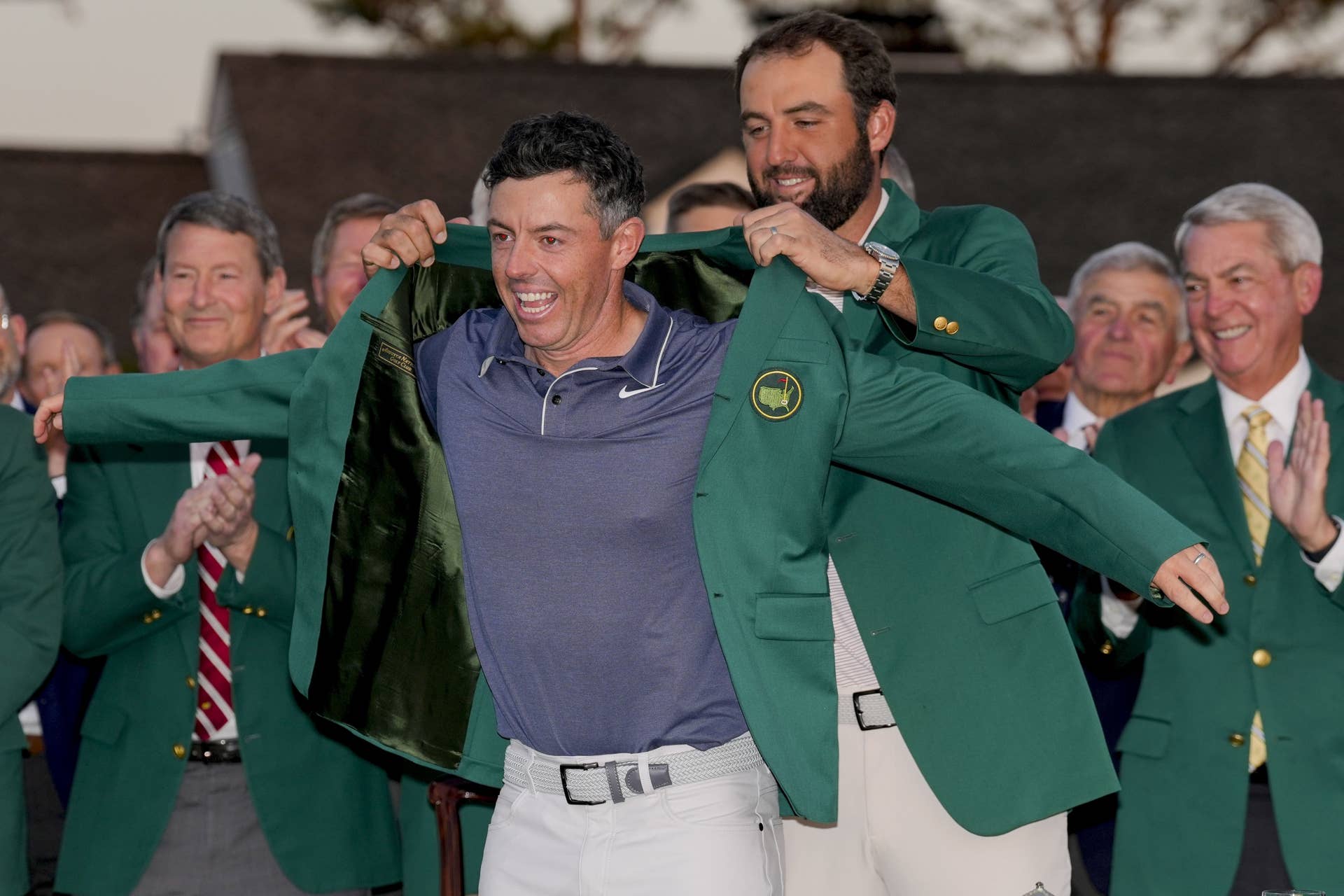
The sudden-death playoff returned to the 18th hole. Both players hit their tee shots into the fairway, the tension palpable even through the television screen. Rose’s approach landed about 15 feet from the pin, a quality shot under immense pressure. But McIlroy’s shot was superior, settling within 3-4 feet of the cup.
After Rose missed his birdie attempt, McIlroy stood over that short putt (shorter than the one he’d missed in regulation) with redemption on the line. This time, there was no doubt. The ball found the center of the cup, and Rory McIlroy finally had his green jacket.
The release of emotion was overwhelming. For Rory, for his team, for everyone who had watched him come so close so many times at Augusta. He became only the sixth player to complete the career Grand Slam, joining Gene Sarazen, Ben Hogan, Gary Player, Jack Nicklaus and Tiger Woods in golf’s most exclusive club.
What made it even more special was how gracious Rose was in defeat. The handshake, the embrace, the genuine smile. The Masters has a way of elevating everyone involved, even in heartbreak.
The Contenders: Who’s Ready to Don the Green Jacket?
Looking ahead to 2026, the field is as deep and talented as I’ve seen in my years covering this sport. Let’s break down the players who have the best chance of slipping on that green jacket come Sunday evening.
Rory McIlroy: Can Lightning Strike Twice?
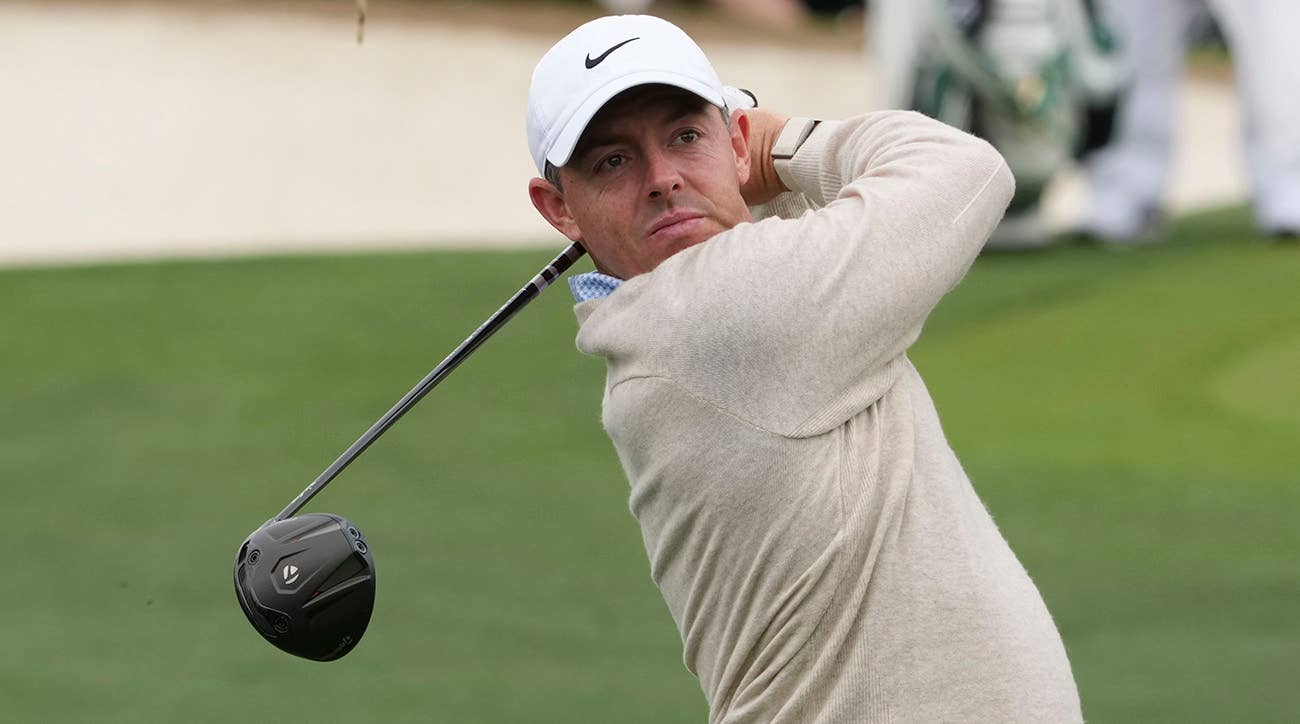
Defending champions at Augusta face unique pressure. The Champions Dinner on Tuesday night, where Rory will select the menu, adds another layer of responsibility. But if anyone can handle it, it’s McIlroy.
The interesting thing about Rory at Augusta is that he’s always played well there, even before his breakthrough. And now, without the burden of completing the Grand Slam hanging over him, he might actually play more freely.
I’m not saying he’ll win back-to-back titles. That’s incredibly difficult. Only three players have won consecutive Masters: Jack Nicklaus (1965-66), Nick Faldo (1989-90) and Tiger Woods (2001-02). But I wouldn’t bet against Rory being in contention.
The mental freedom that comes with finally winning at Augusta cannot be overstated. For years, every shot Rory hit at the Masters carried the weight of expectation. Now, he can play without that burden. Everything else is gravy.
Scottie Scheffler: The Quiet Assassin
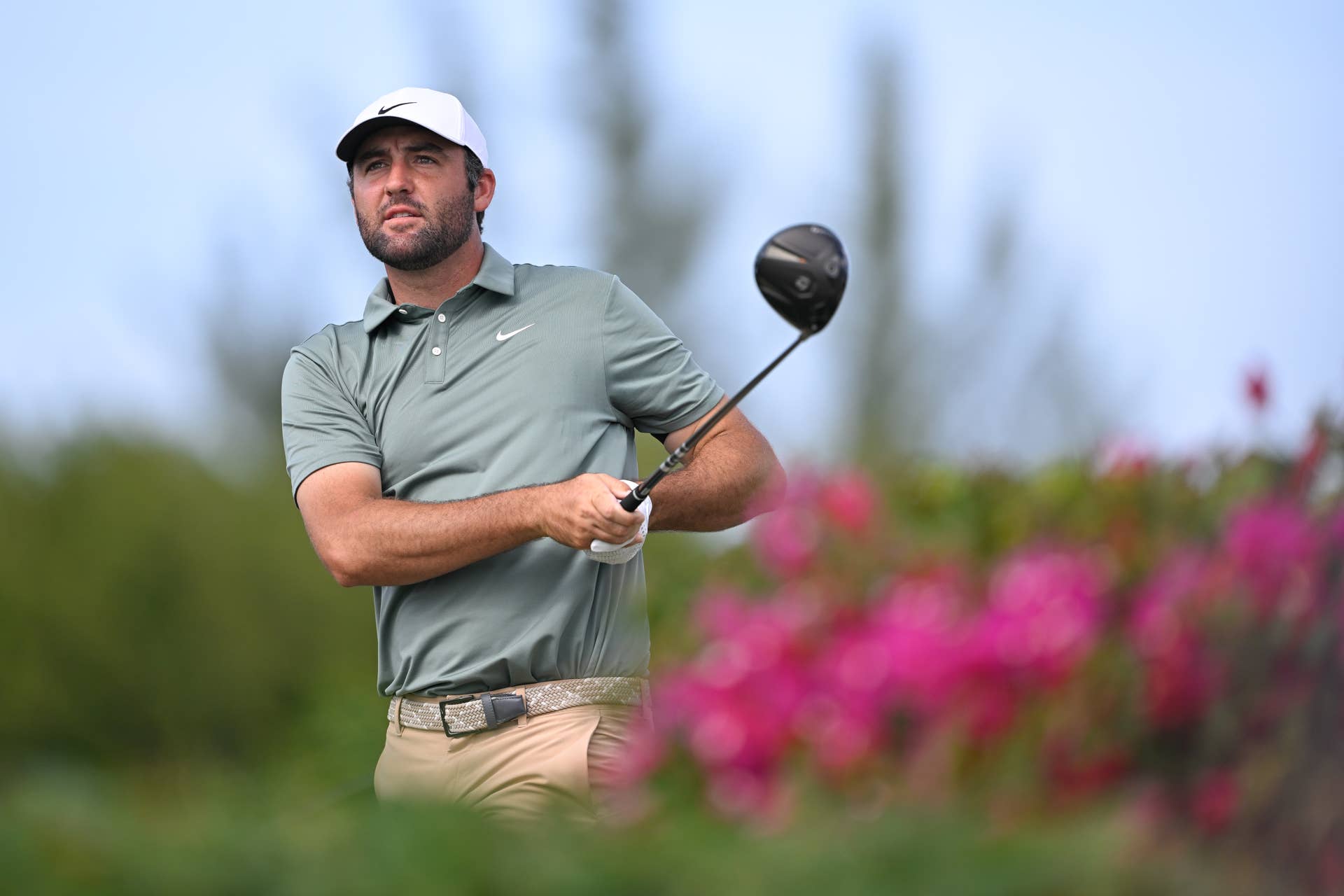
Scheffler won two majors in 2025, including the PGA Championship and The Open Championship. The man is playing golf at a level reminiscent of Tiger Woods in his prime, though Scottie would never say that himself. His ball-striking is surgical, his short game has improved dramatically and his mental game is rock-solid.
What makes Scheffler particularly dangerous at Augusta is his ability to shape shots both ways. The Masters demands creativity, and Scottie has that in spades. He won the tournament in 2022 and ’24, proving he knows how to navigate Augusta National under pressure.
The question isn’t whether he’ll win another Masters, but when. With his current form and age (he turns 30 in June), Scheffler could realistically challenge Jack Nicklaus’ record of six Masters titles. That’s not hyperbole. That’s recognizing greatness when you see it.
Bryson DeChambeau: The Scientist Returns
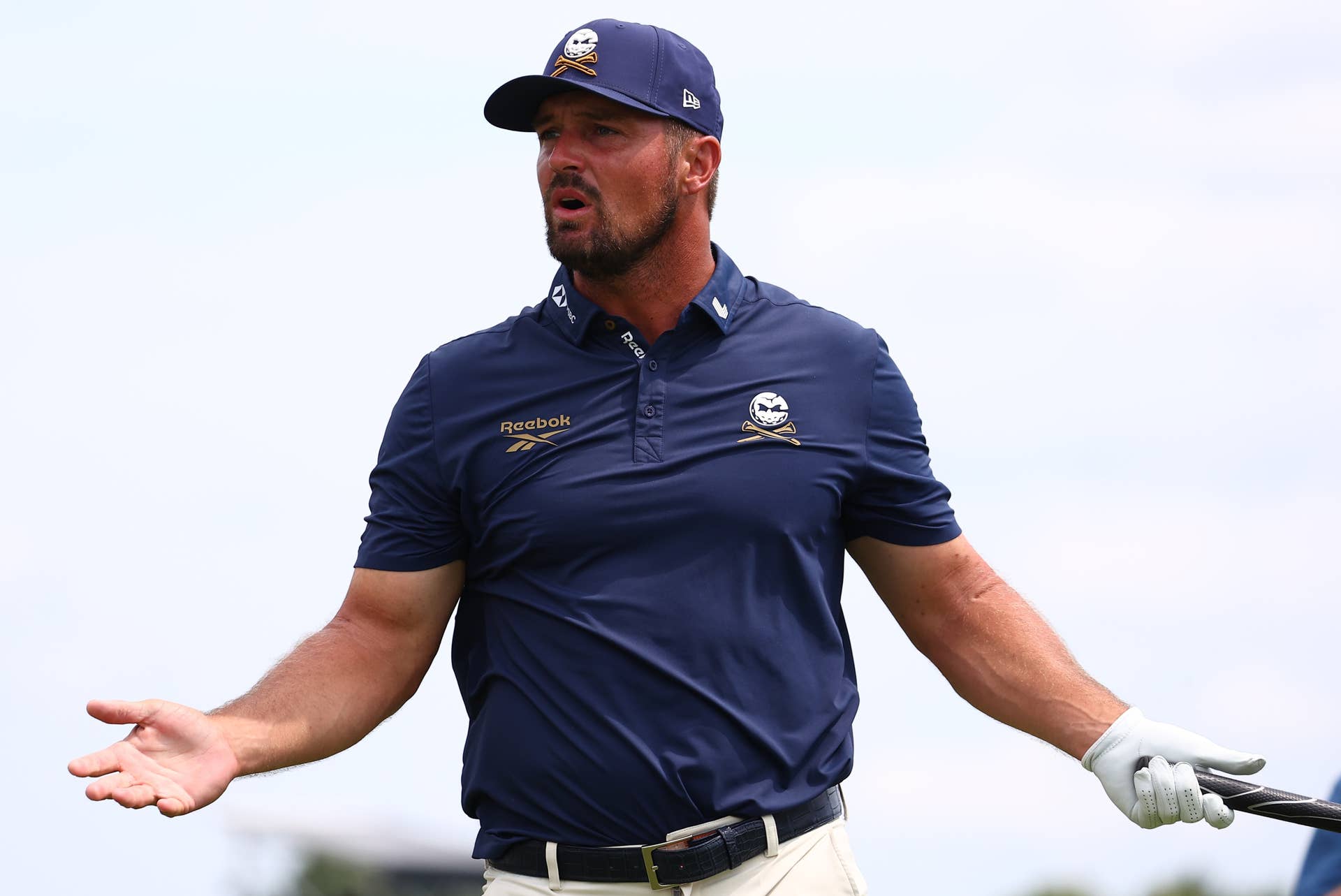
Bryson DeChambeau is one of the most fascinating players in professional golf. After his move to LIV Golf in 2022, many wondered how he’d perform in the majors. The answer? Pretty damn well.
DeChambeau won the U.S. Open at Pinehurst in June 2024, defeating Rory McIlroy by one stroke. He followed that with a T-2 finish at the 2025 PGA Championship and a T-5 at the 2025 Masters. This is a player who has figured out how to contend in major championships.
What makes Bryson dangerous at Augusta is his length off the tee and his analytical approach to the game. He’s not trying to overpower the course anymore. He’s learned to play Augusta National strategically, understanding that par is often a good score and that patience wins green jackets.
His short game, always the missing piece, has improved dramatically. The fact that he’s now comfortable with those delicate chips and pitches around the greens makes him a legitimate threat.
There’s also the YouTube factor. DeChambeau has become one of golf’s biggest personalities through his content creation. He’s comfortable in the spotlight, comfortable with pressure and comfortable being himself. That authenticity and confidence will serve him well at Augusta National.
Tommy Fleetwood: Is It the Englishman’s Time?
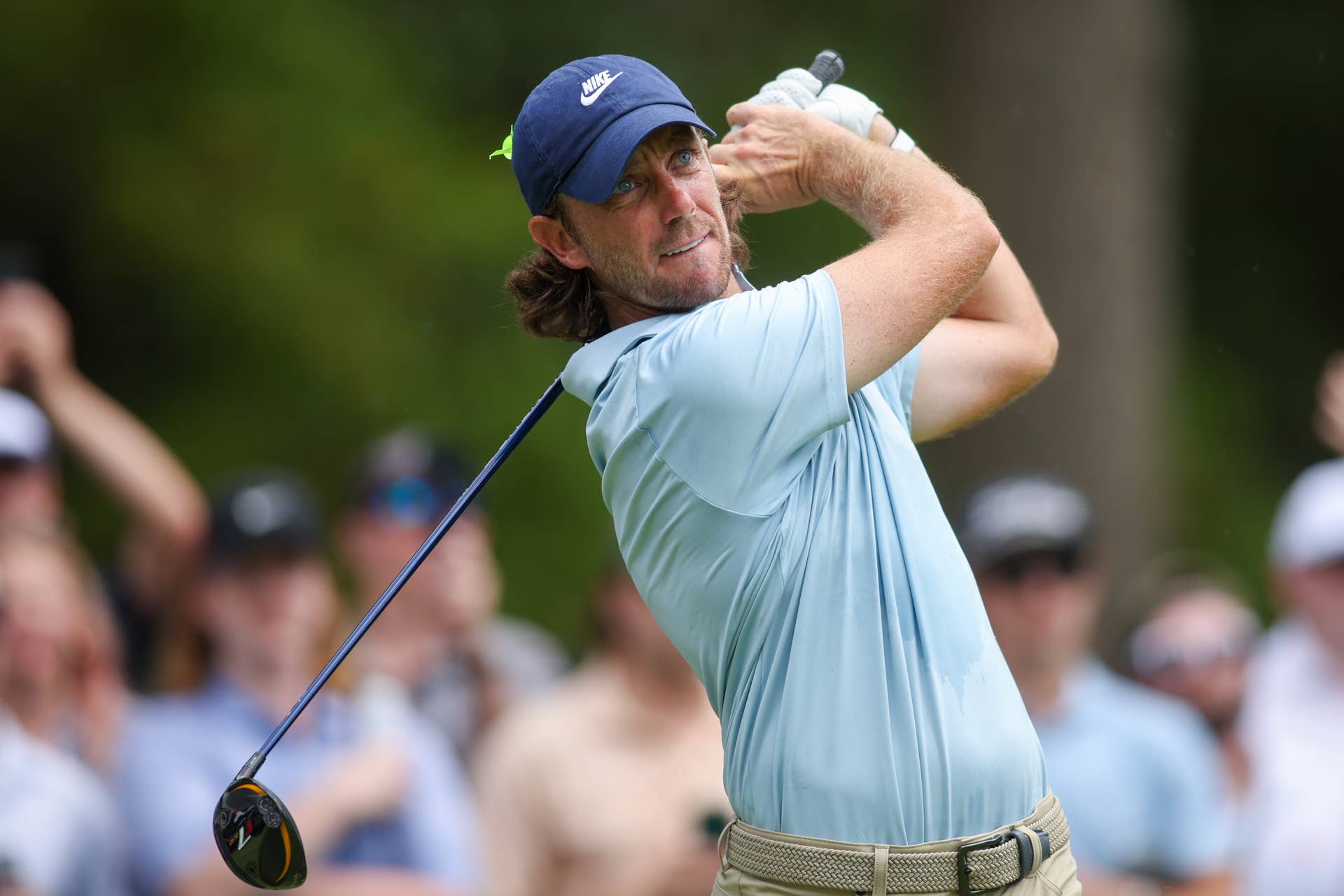
If there’s a player poised for a breakthrough major championship in 2026, it might be Tommy Fleetwood. The 35-year-old Englishman has been knocking on the door for years, accumulating top-10 finishes in majors without quite getting over the line.
Fleetwood won the 2025 TOUR Championship and claimed the FedEx Cup, becoming the first Englishman to do so since Justin Rose in 2018. More importantly, he became the first player since Chad Campbell in 2003 to make the TOUR Championship his first PGA Tour win. That kind of breakthrough under pressure speaks to mental fortitude.
What makes Fleetwood particularly interesting for Augusta is his ball-striking consistency and his temperament. He doesn’t get rattled. He doesn’t make big numbers. At Augusta, where avoiding big mistakes is often more important than making birdies, that’s a valuable skill set.
The knock on Fleetwood has always been his putting, but he’s made significant strides in that area. If he can get the putter hot for one week in April, watch out. The Masters has a history of rewarding patient, consistent players who finally break through. Fleetwood fits that profile.
The Veterans: Can Experience Trump Youth?
Don’t sleep on players like Justin Rose, who pushed Rory to the limit last year. At 44 years old, Rose proved that experience and course knowledge can compete with youth and athleticism. If he can find that magic again, he could absolutely win his second major championship.
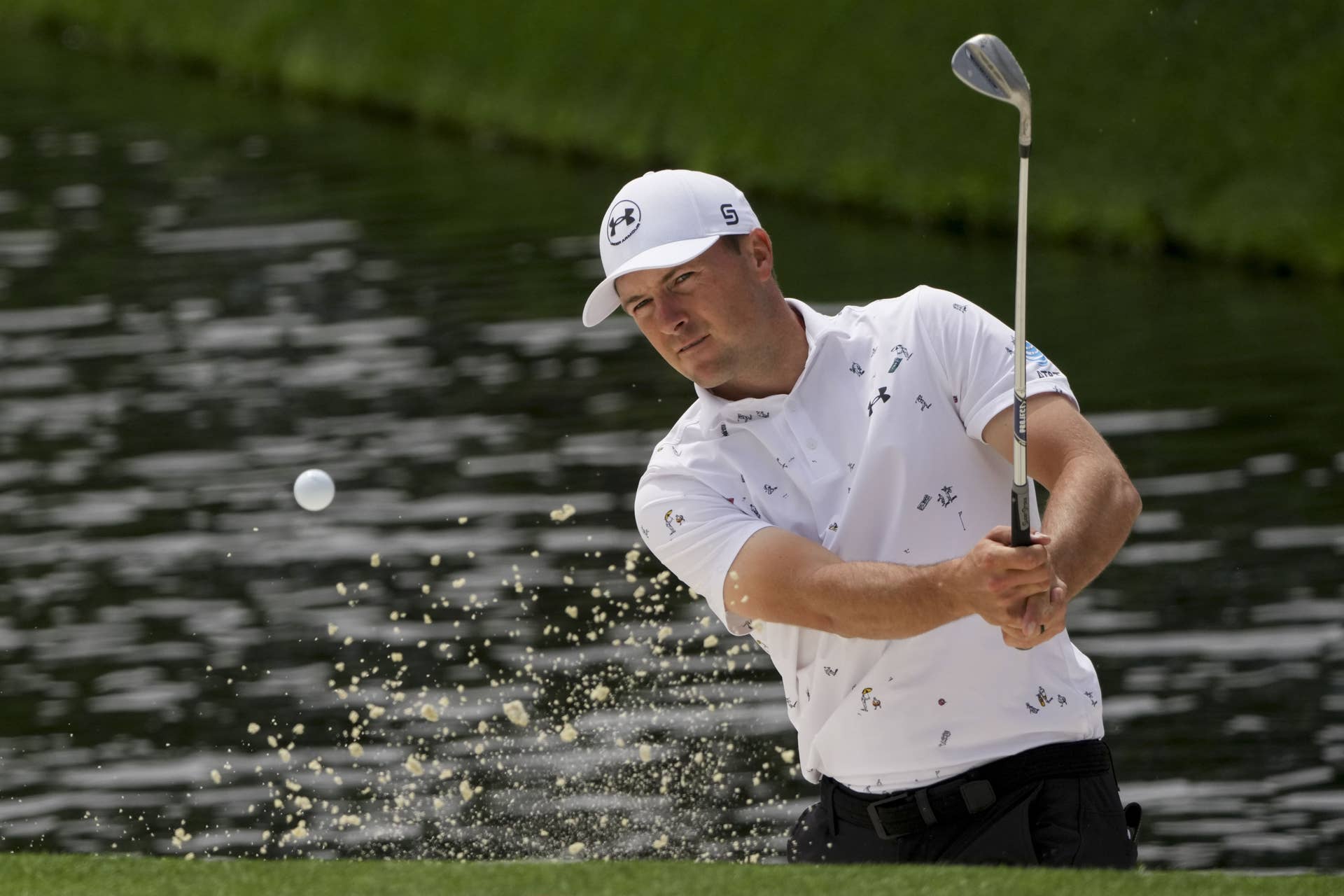
Jordan Spieth is another veteran who can never be counted out at Augusta. He has three legs of the career Grand Slam and knows Augusta as well as anyone.
Hideki Matsuyama, the 2021 champion, has been quietly consistent. Matsuyama knows what it takes here, and when healthy, he’s one of the best players in the world.
In a tournament where experience matters as much as talent, these veteran players can never be counted out.
Augusta National: Where Legends are Made and Broken
If you’ve never been to Augusta National, let me try to paint you a picture. Imagine the most perfect golf course you’ve ever seen, then multiply that by 10. The conditioning is immaculate. The design is genius. The atmosphere is electric.
But beneath that beauty lies a course that will expose every weakness in your game. Miss a fairway, and you’re hitting from pine straw or azalea bushes. Miss a green, and you’re facing a chip shot that could roll off into oblivion.
Amen Corner: Where Dreams Die
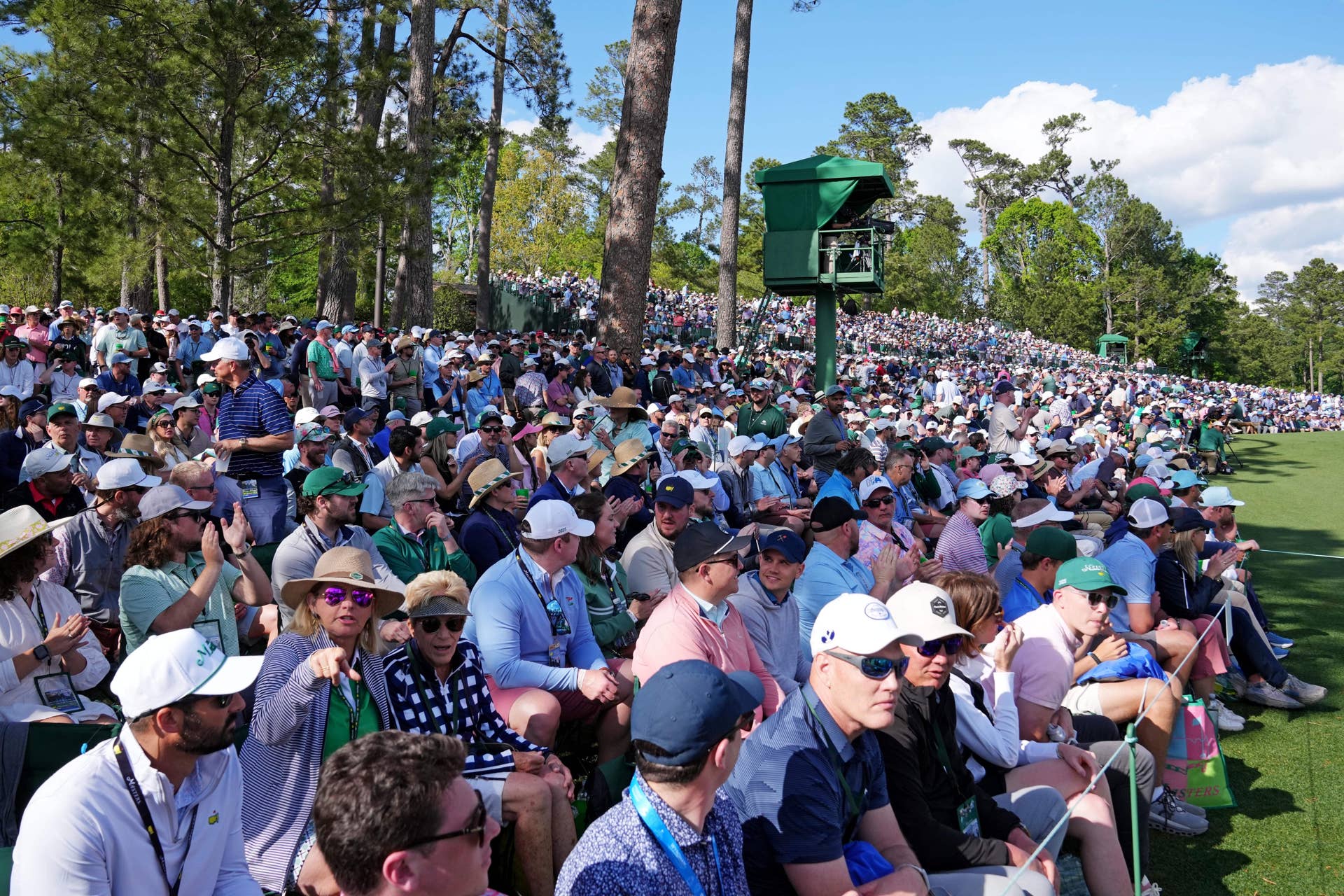
Everyone knows about Amen Corner, the stretch from holes 11 through 13 that has decided more Masters than any other part of the course. But knowing about it and playing it are two entirely different things.
The 12th, Golden Bell, is the most famous par 3 in golf. At just 155 yards, it looks innocent on television. But the swirling winds, the narrow green and Rae’s Creek lurking in front make it one of the most difficult holes in major championship golf. I’ve seen the best players in the world make double bogey or worse here.
The 13th, Azalea, is a par 5 that tempts players to go for the green in two. The risk-reward is delicious. Lay up, and you’re likely making par or birdie. Go for it, and you could make eagle or find Rae’s Creek and make bogey or worse.
This is where the Masters is won and lost. This is where champions are made.
The Signature Hole: The 12th at Augusta
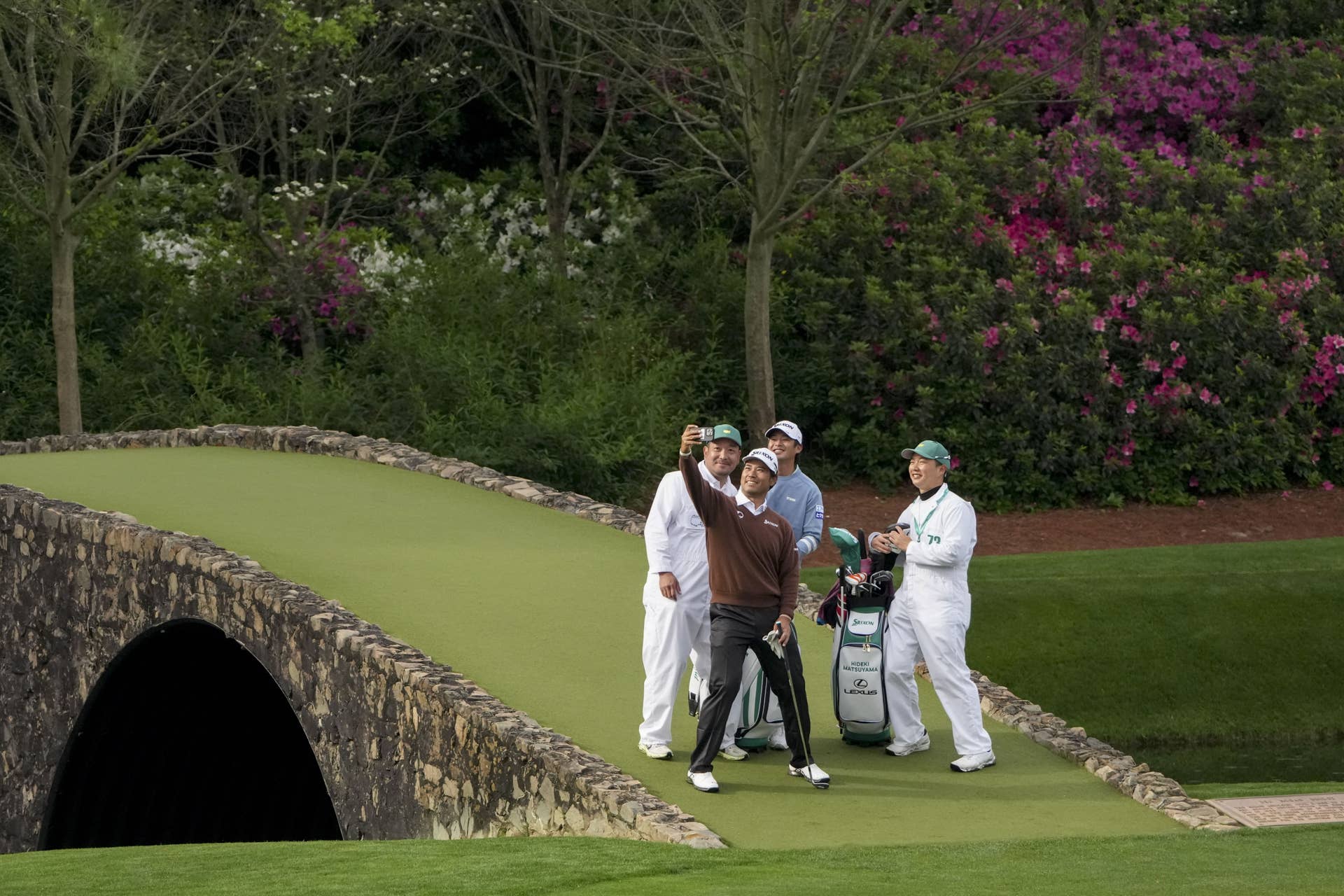
If I had to choose one hole that defines Augusta National, it would be the 12th. Golden Bell is a masterpiece of golf course architecture, a hole that looks simple but plays impossibly difficult.
The green is just 35 yards deep and protected by three bunkers. Rae’s Creek runs in front, and the azaleas behind are beautiful but deadly. The wind swirls unpredictably, influenced by the trees and the topography.
I’ve stood on that tee box during practice rounds, and even without tournament pressure, it’s intimidating. The margin for error is razor-thin. Too much club, and you’re in the back bunker or the azaleas. Too little, and you’re wet.
The hole has produced some of the most memorable moments in Masters history. Tom Weiskopf made 13 there in 1980. Jordan Spieth made a quadruple bogey in 2016, effectively ending his chances of winning. It’s a hole that rewards precision and punishes anything less.
The Back Nine Sunday: The Greatest Theater in Golf
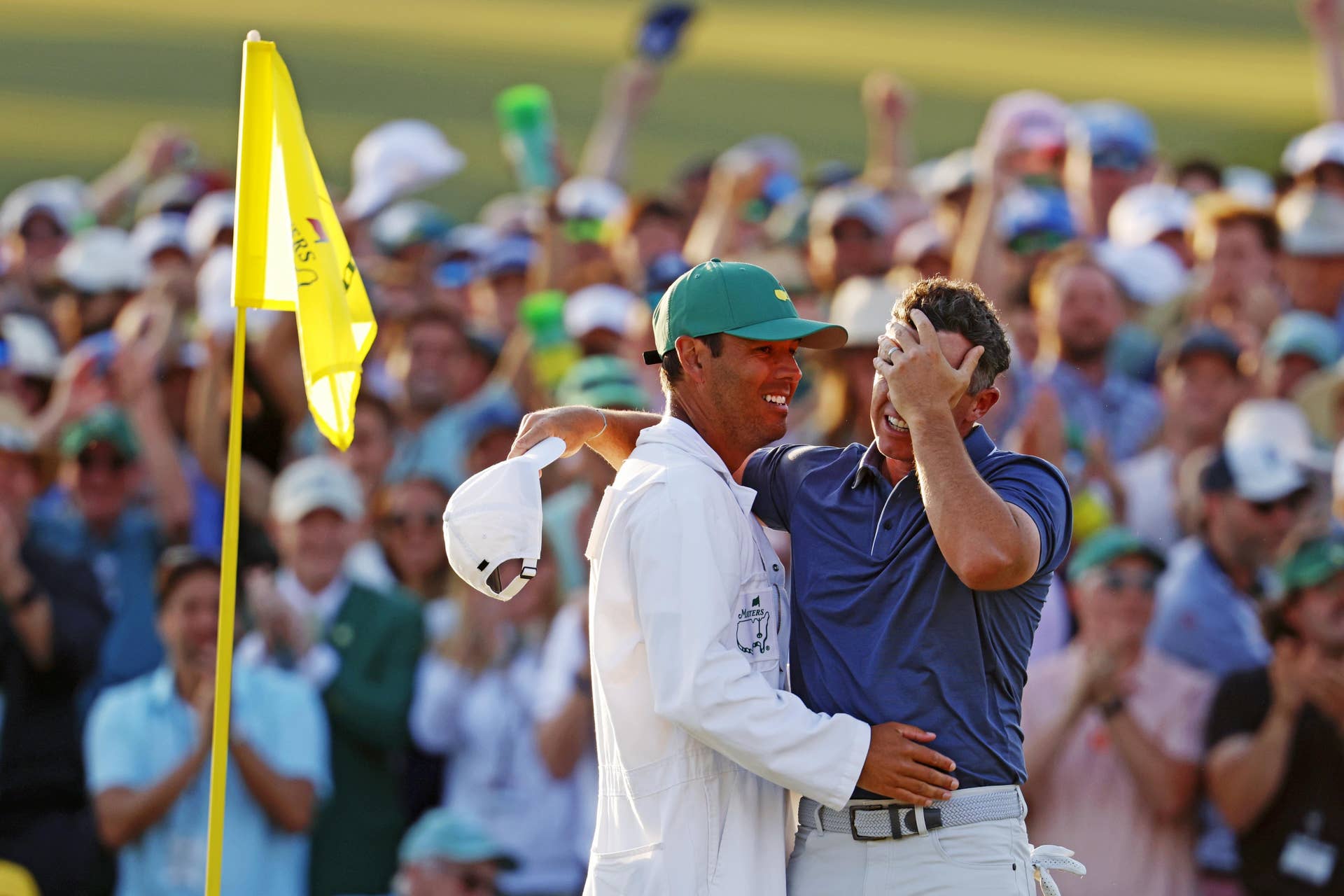
If you’re fortunate enough to be in contention on Sunday at Augusta, you face the most pressure-packed nine holes in golf. The 15th and 16th holes offer birdie opportunities, but they’re fraught with danger. And the 18th, with its uphill approach to a green that slopes severely from back to front, has broken many hearts.
I remember watching Tiger Woods navigate this stretch in 2019, when he won his fifth green jacket. The roars from the gallery were deafening. The tension was palpable. And when he tapped in for par on 18, the release of emotion was overwhelming.
Every year, the Masters creates moments that transcend sport.
What Makes the Masters Unique
After nearly three decades in this industry, I’ve been to countless tournaments. But nothing compares to the Masters.
Part of it is the tradition. The green jacket ceremony. The Champions Dinner. The Par 3 Contest. The honorary starters hitting the opening tee shots on Thursday morning. These traditions connect us to the history of the game.
Part of it is the course. Augusta National is a work of art, a canvas where the world’s best players paint their masterpieces.
But mostly, it’s the atmosphere. The patrons (never fans at Augusta) are knowledgeable and respectful. The roars that echo through the pines when someone makes a birdie or eagle are genuine expressions of appreciation for excellence.
To attend the Masters is to experience something special, something that reminds us why we love this game.
Predictions and Final Thoughts
Predicting the Masters is a fool’s errand. The course is too difficult, the field too deep and the variables too numerous to make any confident prediction.
But if you’re forcing me to pick: Scottie Scheffler is playing the best golf on the planet right now, and I expect him to be in contention. Rory McIlroy will be motivated to defend his title. And don’t sleep on Tommy Fleetwood, who’s been knocking on the door for years and might finally break through.
Bryson DeChambeau has the game to win at Augusta, and his recent major championship success proves he can handle the pressure.
Beyond those players, I think we’ll see some veterans make noise. Justin Rose proved last year that he can still contend. Jordan Spieth knows Augusta as well as anyone. And Hideki Matsuyama, when healthy, is always dangerous.
What I know for certain is this: The Masters will deliver drama, heartbreak, and triumph. It always does.
Come April 9, when the first tee shot is struck, we’ll all be transported to Augusta, Georgia, whether we’re there in person or watching from afar. And for four glorious days, we’ll be reminded that golf, at its highest level, is more than just a game. It’s art. It’s drama. It’s history being written in real time.
And I, for one, can’t wait.
More must-reads:
- 2026 NFL Draft Day 2: Best players available and their potential landing spots
- Giants WR Malik Nabers' reaction to Cowboys drafting Ohio State star Caleb Downs should thrill Dallas fans
- The 'First round QB's since 2000' quiz
Breaking News
Trending News




Customize Your Newsletter
 +
+




Get the latest news and rumors, customized to your favorite sports and teams. Emailed daily. Always free!
PRIVACY POLICY COOKIE POLICY CONTACT US
ABOUT YARDBARKER TERMS OF SERVICE


By using this site, you agree to our Terms of Service and Privacy Policy.
This site is for entertainment purposes only.
There is no gambling offered on this site.
Gambling Problem? Call 1-800-Gambler.
