
-

-


Follow Us
-

 On Facebook
 On Flipboard
IndyCar's Washington, D.C. debut will be quite memorable
For 236 years, Washington, D.C. has been the site of the most important events in United States history.
From stirring inaugural speeches to votes in the United States Capitol that carry as much tension as the final lap of the Indianapolis 500, the city has, at the very least, never been short on drama or consequence.
On Aug. 23, the stars of IndyCar will race on Pennsylvania, Constitution and Independence Avenues in an event far more exhilarating than the average DC commuter's trip home from the office that takes place at a snail's pace.
The Freedom 250 Grand Prix marks the first time since 2002 that a major auto race has come to Washington and the first time such an event will be held in the city's downtown area. The seven-turn, 1.7-mile course drivers will have to navigate will provide sightlines of the United States Capitol, the National Gallery of Art and the Smithsonian Air and Space Museum, among other iconic buildings.
It's safe to say the race will be memorable, for good or ill.
IndyCar's trip to DC will be memorable at the very least
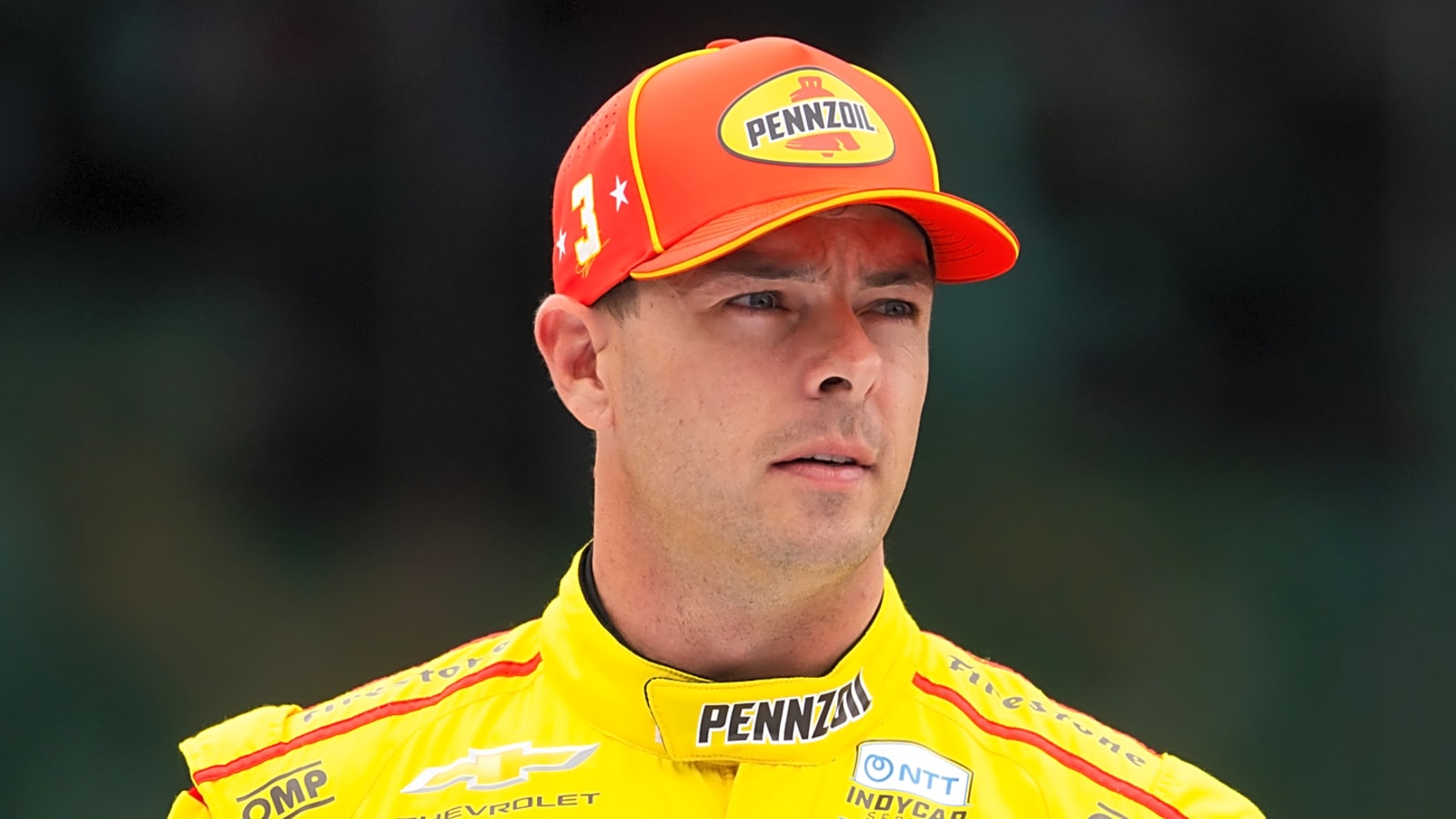
"It's going to be a short track but around some pretty iconic buildings," said Team Penske driver Scott McLaughlin. "Going to be a pretty cool event. From my perspective, newly announced citizen of the country, call this place my home, I'm excited to do it."
There are two races on the IndyCar calendar before the Freedom 250 Grand Prix: Sunday's tilt at Portland International Raceway (4 p.m. ET, FOX) and the Aug. 16 race on the streets of Markham, Ontario (Noon ET, FOX) and three after it with an Aug. 29-30 doubleheader at the Milwaukee Mile and the Sept. 6 finale at Laguna Seca.
But of the six races left on the IndyCar calendar over the upcoming five-week stretch that will conclude the 2026 season, DC is by far the most important.
The race, which was a late addition to the IndyCar calendar in January, will undoubtedly receive much more attention than even the average street race in a major market. For good or ill, it will receive its share of coverage in the week leading up to the green flag, given that it has been promoted by the White House and President Donald Trump.
Any political implications aside, a race in the nation's capital during the 250th anniversary of the United States is going to get plenty of attention. From an on-track perspective, the course should provide drivers with a fair amount of passing opportunities and give the roughly 140,000 fans expected at the racetrack the chance to see drivers reach speeds in excess of 180 miles per hour.
For reference, the speed limit on Pennsylvania Avenue is 25.
IndyCar's announced increase in race distance to 147 laps from an originally scheduled 125 didn't only bump the race's distance to a ceremonially appropriate 250 miles, but will also add an extra wrinkle for teams, especially considering the physical toll a warm August day in the District will put on the drivers.
"Obviously a very long race," said Indy 500 winner Felix Rosenqvist. "Probably by far going to be the longest street course we've had, I think. We need a halftime show in the middle just to cool down a little bit.
"I think in terms of strategy, when you have that long of a race, it turns more into an Indy 500. If it's green, it's going to be like any other or most of the races. If it turns into chaos with a lot of yellows, one second you're going to be leading, then the next second you're going to be last. You just kind of try to nail it for the end."
As for what to expect of an event that will see race cars tearing down the most consequential streets in the world: think a louder, horseless version of Paul Revere's midnight ride, albeit with far less at stake and a comparable amount of liquor being consumed by the victor.

More must-reads:
- 'A great relief': With Indy 500 win under his belt, Felix Rosenqvist can rest easy
- Phoenix Raceway will host another NASCAR, IndyCar doubleheader in 2027
- The '2024 award winners' quiz
Breaking News
Trending News







Customize Your Newsletter
 +
+




Get the latest news and rumors, customized to your favorite sports and teams. Emailed daily. Always free!
PRIVACY POLICY COOKIE POLICY CONTACT US
ABOUT YARDBARKER TERMS OF SERVICE


By using this site, you agree to our Terms of Service and Privacy Policy.
This site is for entertainment purposes only.
There is no gambling offered on this site.
Gambling Problem? Call 1-800-Gambler.
