
-

-


Follow Us
-

 On Facebook
 On Flipboard


While seasonal leagues are a lot of fun, adding some extra wrinkles to fantasy baseball always increases the enjoyment. That is why the keeper league was created.
This gives the savvy fantasy baseball player the chance to compete or win for several years by allowing them to keep a certain number of players on their roster from year to year. The number of keepers for each draft depends on the league settings. There are countless variations to the keeper rules, so be sure to know what yours are before the draft.
Sometimes in an effort to stop the person who happens to get the first or second pick in the draft from keeping Shohei Ohtani or Aaron Judge for the rest of their careers there are limits to the number of years you can keep a player, or at other times you can only keep players taken after the fourth or fifth round. As with every fantasy baseball league, knowing your rules and settings is job number one.
Keepers: Who Are They and Why?
There are a number of factors to consider when trying to figure out who you are going to keep.
Age: It's a Young Man's Game
Obviously the first one is a player's age. For long-term success, you likely don’t want to keep any player in their mid-30s unless their names are Shohei Ohtani or Aaron Judge. Neither are in their mid-30s yet but they are getting there and their talent is obviously exceptional.

Injuries Can Hurt Your Roster
Injury risk is another big factor to consider. This one will be more with pitchers but the injury bug can bite anyone. Yordan Alvarez has had a tough time staying healthy lately, as well as Corey Seager. Choosing a player with similar abilities and less perceived injury risk is always the play. Sometimes an injury prone guy can stay healthy, but they have the injury prone tag for a reason.
Scarcity Can Make Some Positions Tough to Fill
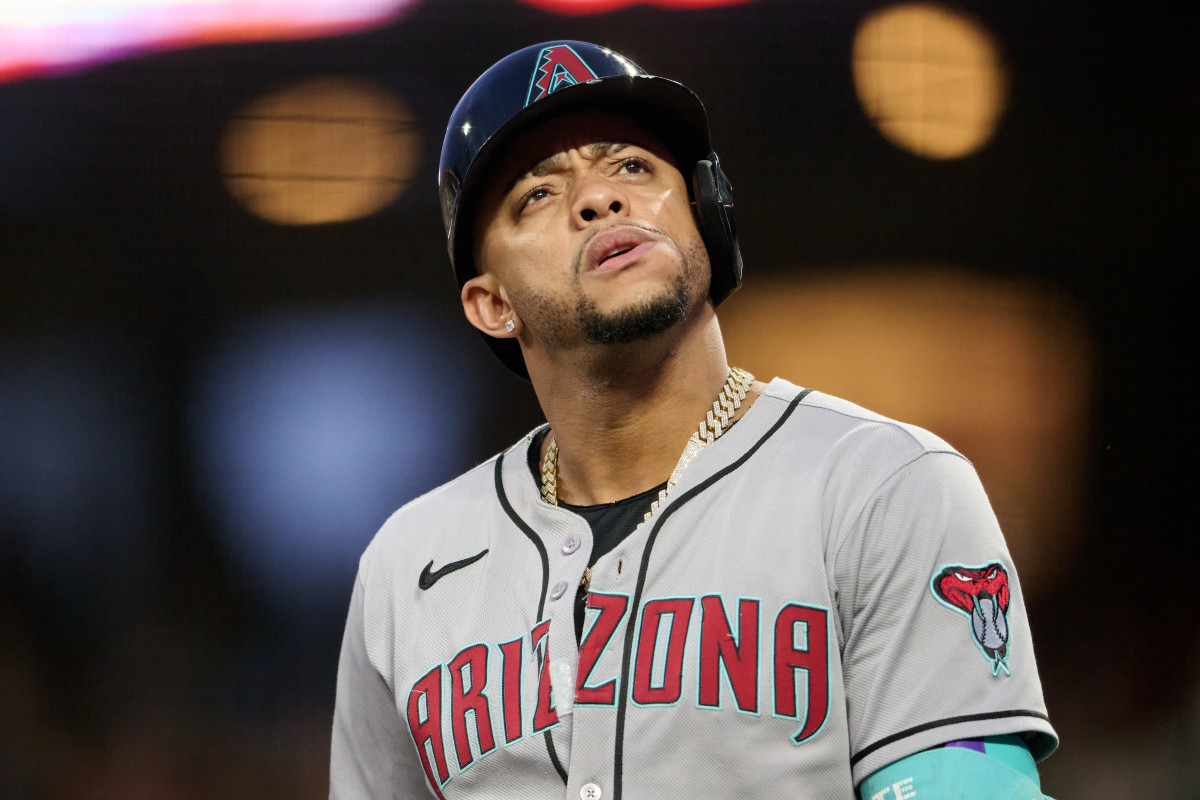
Another factor to consider, although it isn’t the be all-end all, is position scarcity. Keeping a second baseman or a third baseman could ultimately be more valuable than an outfielder, especially if your league only requires three outfielders. It would be nice to be set with Junior Caminero or Ketel Marte and not have to go looking to fill tough positions each year in the draft. Now, I wouldn’t pass up keeping a guy with a good bit more production based on position, but if they outputs are fairly similar, you’d be good to keep a guy at the tougher position.
Preparing for Your Draft
Here are some things that you can do to prepare for the draft.
Examine the Pipeline
Take a look at the minor-league pipeline for all teams. Which prospects with high probability for success at the next level are close? Which are still blocked by a talented player at the same position in the major leagues? You want a guy who is likely to make it into their team’s lineups sooner rather than later so you can cash in.
Decide your strategy
Are you going to take a shot on your keeper as soon as you are eligible in leagues that designate a certain round as the keeper round? Or are you going to try to form your team and figure out the keeper angle after?
Establish a Tier System
Form tiers of players overall and at each position. This will help you stay on point of where your roster sits at different times during the draft. Are some of your targets at a certain position getting close to being taken? Then you better make your move on the guys you want. It is important to take the best player available in the first five to six rounds in the draft and then try to fill in positions after that. This is another good reason why having a keeper at a scarce position is advantageous. You won’t be reaching for a guy to fill a tough position ahead of his average draft position (ADP) just to fill the spot.

Beware Regression
It isn’t always good to chase flashy names or last year’s stats either. There are definitely players who are due for some regression. Obviously, AL MVP runner up Cal Raleigh had a historic season in 2025. However, Catcher isn’t the barren wasteland it used to be, and is Raleigh likely to hit 60 home runs again? Hunter Brown was incredible last season, but can he replicate an ERA under 2.50 and 200 strikeouts? Regression is a big part of fantasy baseball, especially when it comes to keepers. No one has a crystal ball, but some players you can have a good bet they won’t be as good in the coming years.
Find Your Breakout Players
On the other side of the coin, try to identify players that are due to break out. Exit velocity, launch angle, hard hit rate, xwOBA are good metrics to check for hitters and on the pitching side you have strikeout-to-walk ratio, FIP and pitch spin rate and velocity to track against others in the league. If you see players excelling in those categories they could be a trade target or a free agent to add to your team.
Summary
You have your plan of attack ready. You are going to research and prepare leading up to the draft. On draft day you are going to get your roster set early with younger players who have high impact in multiple categories. You are going to take a couple of chances on prospects with high ceilings that are either just in the majors or who are on the cusp. And then throughout the season you are going to monitor the league for trade opportunities, have your eye on the present and the future, and if things don’t go your way, use your assets to maximize them to get yourself set up with the best set of keepers you can for the following season.
People Also Ask
What is a keeper league in fantasy baseball?
A keeper league is a league that continues play from season to season, allowing managers to keep a predetermined number of players.
How do you determine which players to keep from season to season?
Several aspects factor into these decisions, including a player's age, whether or not they are injury-prone, and how scarce good players are at their position.
What's one big challenge to running a keeper league team?
Keeper league managers need to watch out for players who regress from last year's stats. Nothing can kill your chances like a player whose stats fall off a cliff from last year.
More must-reads:
- Phillies' Bryce Harper weighs in on looming labor strife
- Dave Roberts provides worrisome update on Tyler Glasnow
- The 'Foreign-born 250-HR club' quiz
Breaking News
Trending News





Customize Your Newsletter
 +
+




Get the latest news and rumors, customized to your favorite sports and teams. Emailed daily. Always free!
PRIVACY POLICY COOKIE POLICY CONTACT US
ABOUT YARDBARKER TERMS OF SERVICE


By using this site, you agree to our Terms of Service and Privacy Policy.
This site is for entertainment purposes only.
There is no gambling offered on this site.
Gambling Problem? Call 1-800-Gambler.
