-

-


Follow Us
-

 On Facebook
 On Flipboard



The ability to be consistent every year, handle high workloads and provide durability have been two of the reasons why I have always appreciated the work of right-hander Kevin Gausman, who is often undervalued but undoubtedly stands out among the most competitive pitchers of his generation.
He has also had to compete in an era in which we have seen great starters who were very dominant, but since Gausman became a full-time starter in the Baltimore Orioles’ rotation in 2014, there are only two pitchers who have surpassed him in innings pitched (2003 ⅔): Max Scherzer (2028 ⅔) and Sonny Gray (2005 ⅔).
Gausman (40.0) closes out the Top 8 among starters who have recorded at least 40.0 fWAR during that period, led by Scherzer (53.3), Chris Sale (52.2) and Jacob deGrom (50.7), who have been the only ones to surpass 50.0 fWAR.
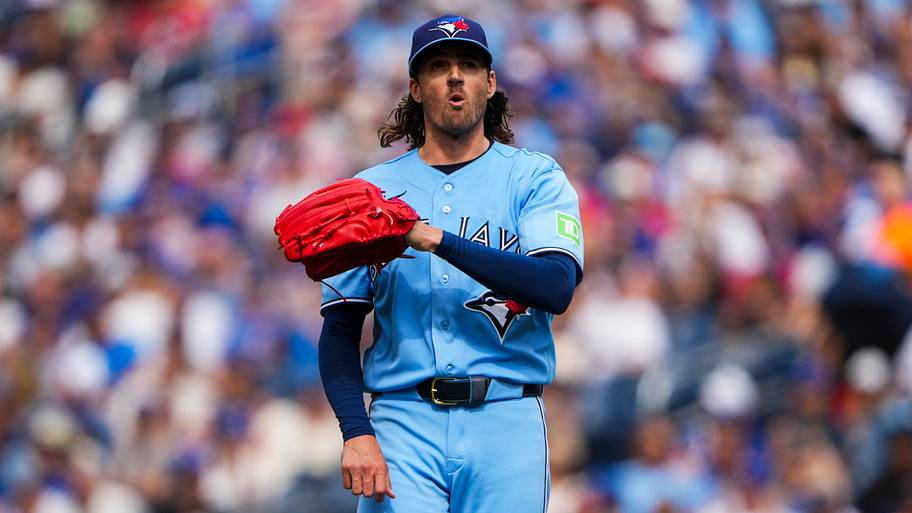
However, he has reached free agency at a bad time, after finishing 2026 with a 9-12 record in 32 starts, a 4.51 ERA —the highest of his career since 2019— and an unproductive stint with the Chicago Cubs’ staff after being traded by the Blue Jays at the trade deadline.
Even so, Gausman remains an interesting pitcher who combines experience with recent impact and could be a piece to consider for teams that need pitchers capable of strengthening the top of the rotation and adding durability.
Why Would Gausman Be an Option Houston Should Analyze?
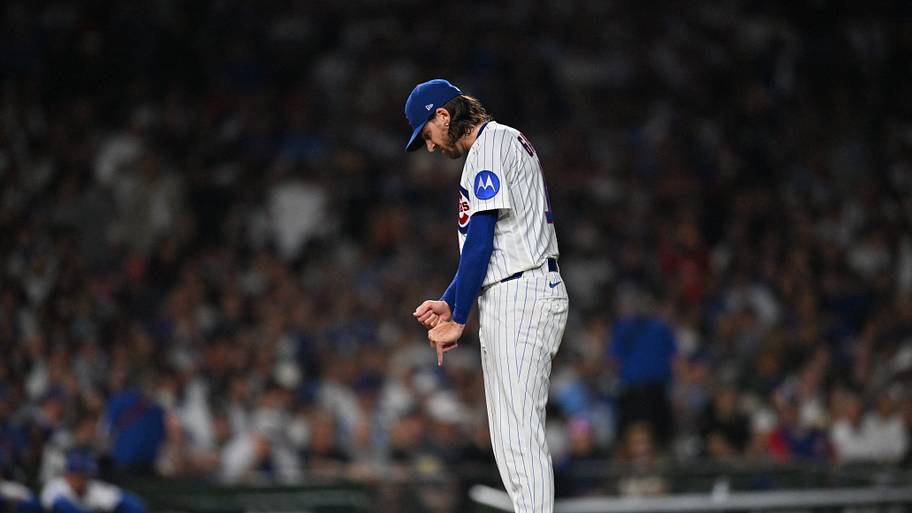
Well, there are some very interesting points to debate here, starting with the fact that the Houston Astros are one of the teams that needs to find arms that can sustain the starting rotation.
Gausman is one of the options that fits this profile the most, and I would not entirely assume what his peripheral results show regarding a decline in his dominance standards. His 3.58 xFIP, even slightly better than last year’s 3.77, is one of the reasons that supports him and basically explains the difference you will find between his WAR discrepancy if you compare the FanGraphs and Baseball-Reference versions.
| WAR version | 2025 | 2026 |
|---|---|---|
| fWAR | 4.1 | 3.1 |
| bWAR | 4.0 | 1.1 |
I love both references, but I am more inclined to work with FanGraphs’ WAR because it prioritizes the impact of xFIP more, which supports pitchers’ ability to find dominance without having to depend so much on defense.
That said, the improvement in strikeouts (10.19 per 9 versus 9.98), walks (1.97 versus 2.54) and BABIP allowed (.305 versus .313) was part of the effect that compensated for the high 21.6% HR/FB rate allowed by Gausman with the Cubs, and ended up reducing his xFIP from 3.80 with the Jays in the first half of the season to just 3.02 during his nine starts in Chicago.
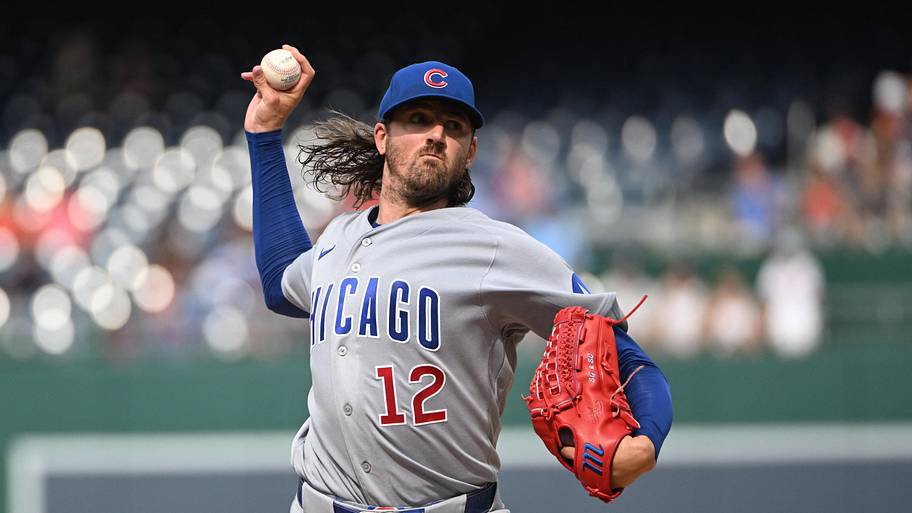
So, contrary to what his 4.83 ERA shows, Gausman was not such a terrible pitcher, and once again the park effect worked against him, which has happened during almost his entire career.
Although we cannot overlook his lack of consistency within the strike zone, with his Run Value in Heart going from +27 to -6 this year, if Gausman had pitched the entire season for the Cubs, he would have allowed 31 home runs instead of 26, due to adjustments for park effects. If he had pitched for the Astros, that figure would have been reduced to 23, so Daikin Park does not seem like a bad destination for Gausman.
Another interesting point here is that his impact in the league has not changed much over the last three seasons, so Gausman is not far from repeating his usual standards during that period. Since 2024, he has ranked third in innings pitched (551 ⅔) and finished 14th in fWAR with 10.2. If we reduce the period to the last two years, Gausman remains in the same 14th spot in fWAR with 7.2 and has moved up to become the fourth pitcher with the most innings (370 ⅔).

Of course, the risk associated with his age will probably limit offers to a maximum of two years. Houston could explore a $42-44 million deal over two seasons —with an estimated AAV of $20-22 million—, with a first season of $21 million and a second of $23 million, subject to a team option. The contract could also include financial incentives that increase its value if Gausman recovers his usual standards and shows that he can still perform as a frontline starter.
Partly, that is why I wanted to analyze Gausman’s two halves of the season, since that look offers some conclusions that we cannot see if we only follow his pitching percentiles, where the drop in Pitching from 98th place in 2025 to 48th this year has undoubtedly raised many questions.
Even so, Gausman once again placed his fastball among the elite, recording the 85th percentile after ranking in the 99th last year, and he remains a consistent pitcher at generating chase (88th percentile in Chase%), whiffs (70th percentile in Whiffs%), a consistent strikeout rate (66th percentile in K%) and few walks (86th percentile in BB%).
More must-reads:
- Good health was key to Yordan Alvarez's MVP season
- Pete Crow-Armstrong runs away with NL MVP award
- The 'NL Cy Young-winners' quiz
Breaking News
Trending News








Customize Your Newsletter
 +




Get the latest news and rumors, customized to your favorite sports and teams. Emailed daily. Always free!
PRIVACY POLICY COOKIE POLICY CONTACT US
ABOUT YARDBARKER TERMS OF SERVICE


By using this site, you agree to our Terms of Service and Privacy Policy.
This site is for entertainment purposes only.
There is no gambling offered on this site.
Gambling Problem? Call 1-800-Gambler.