
-

-


Follow Us
-

 On Facebook
 On Flipboard

So, now to a more complicated metric. It combines what we discussed about exit velocity and launch angle. We are going to break down the metric Barrel Rate. To understand this, you need to understand exit velocity and launch angle so please read this article first.
Barrel Rate or Barrels (raw number) might be the most useful Statcast metric to determine raw power. You do not need to understand physics, or analyze different power metrics to use it. There is an optimum launch angle and a desired exit velocity: barrels helps the baseball fan understand how prolific a hitter is at attaining that. This allows you to more accurately project extra-base hits and home runs. For fantasy managers preparing for 2026 drafts, Barrel Rate is a cheat code for power.
This article breaks down what Barrel Rate means, why it works, and how you can apply it to your draft board. By the end, you will feel comfortable identifying undervalued power hitters comparing this number to a hitter’s previous year or using second half stats comparisons.
What Barrel Rate Actually Measures
Barrel Rate tells you the percentage of a hitter’s batted balls that are “Barrels.” Statcast defines a Barrel as any ball struck with an ideal combination of exit velocity and launch angle. These are the swings that produce the “loud contact.” You can hear the difference. These are hard hit balls that head toward the fences.
The basic definition
A Barrel is not subjective. It is a formula that locks in how hard the ball must be hit and at what launch angle must be to be considered “perfect.” This allows you to compare hitters fairly across the league without worrying about bias or ballpark quirks or other factors.
Why Barrels predict power
Players who consistently Barrel the ball tend to hit for real power year after year. You will see this relationship in slugging percentage, isolated power, and home run totals. Barrel Rate removes luck. A hitter might have a quiet home run season due to weather or park conditions, but if their Barrel Rate stayed strong, their power skill is elite.
Typical benchmarks
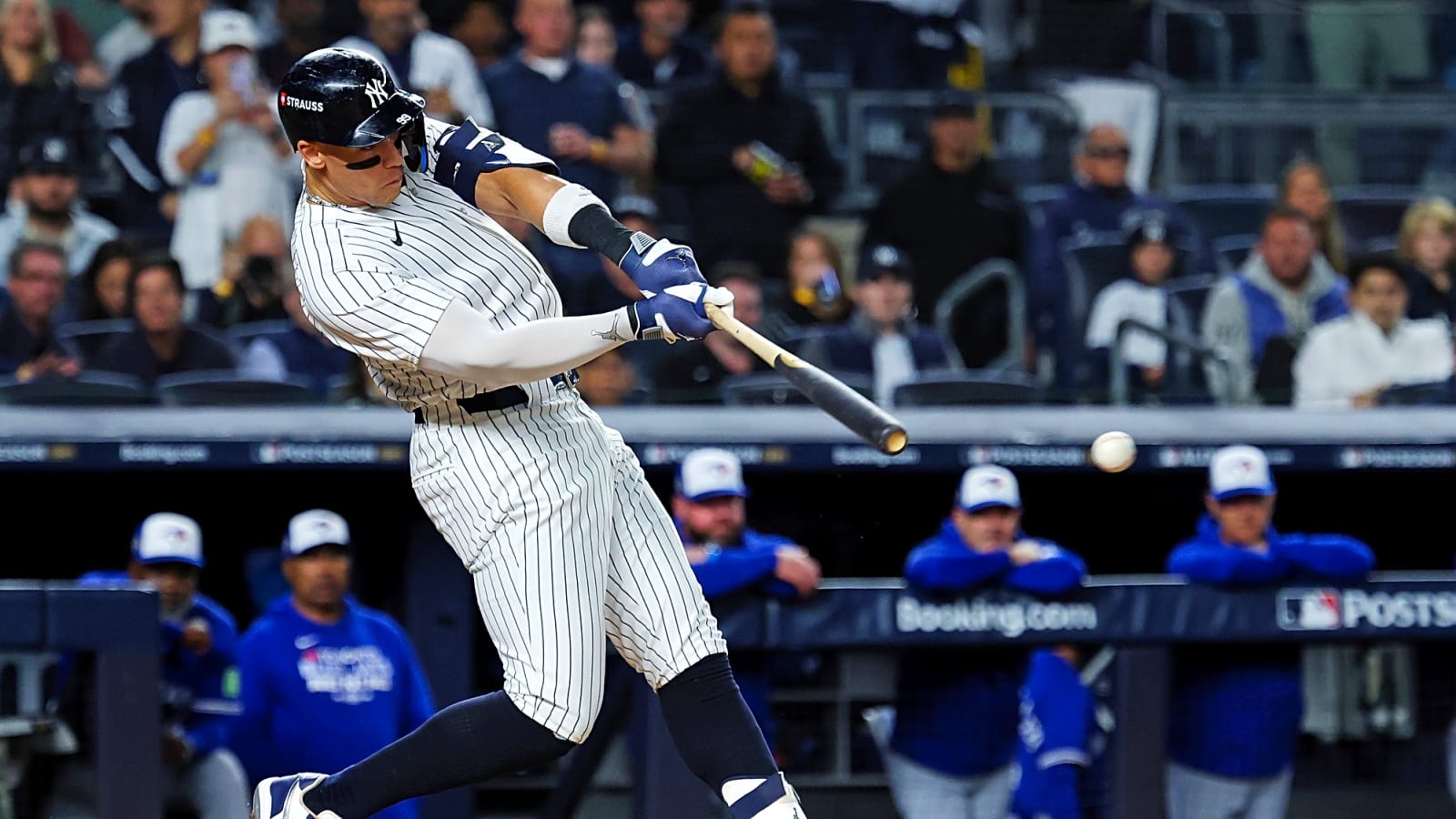
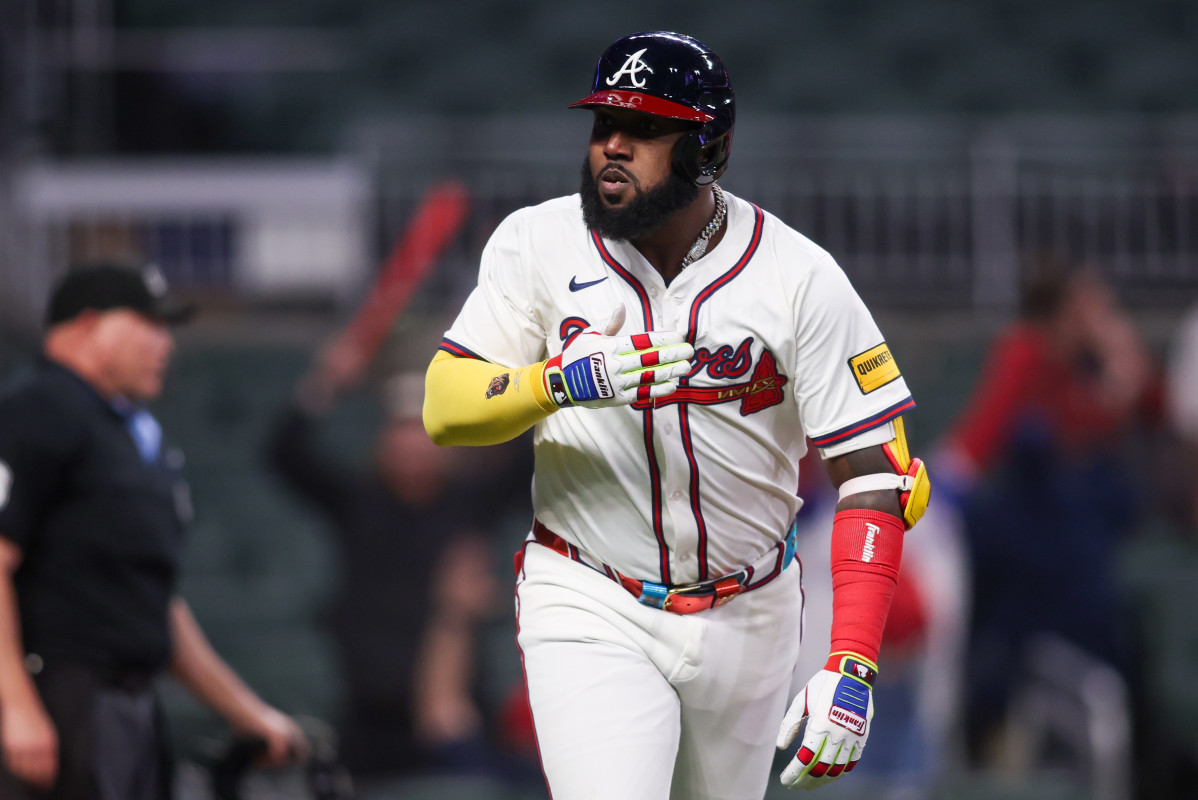
The league average Barrel Rate usually sits around 6 to 7 percent. Solid hitters land in the 8 to 10 percent range. Once you get above 12 percent, you are dealing with high quality power threats. There was only one hitter above 14 last season, Aaron Judge. The 100th ranked player by Barrel Rate was Marcell Ozuna with a 6.8 BR. That would likely surprise you as he has been an amazing power hitter over the years. He hit only 21 home runs last year.
How To Read Barrel Rate On Statcast
Where to find it
The easiest way to check a player’s Barrel Rate is on the MLB SavantLeaders page. It has a sortable list of Barrel Rate and can be easily searched. Many fantasy sites pull Statcast data directly into player profiles.
Using Barrel Rate in 2026 Fantasy Drafts
Barrel Rate works when targeting power hitters especially veterans. Power and speed get sapped around 32 years old so a view of the trend of a player’s Barrel Rate can foreshadow that. For younger players, look at the trend and know that it will continue. For rookies, this is not possible. Minor league Barrel Rate cannot be made equivalent to MLB BR. Hitters can get more bat speed versus minor league pitching and therefore have a greater exit velocity. You can see their plane discipline, but cannot gauge their exit velocity.
Draft Day Advantages
When two hitters are ranked near each other, Barrel Rate separates them for power hitting. A player who Barrels the ball more often is more likely to repeat or improve on last season’s home run total. If the underlying power skills match the projection models, you can draft with more confidence.
When Barrel Rate Misleads
Barrel Rate is not perfect. Here are some spots for out to watch out for.
Sample size & Injuries
Be careful not to overreact to small samples or again with minor league statistics. A hitter might show a huge Barrel Rate in the first month, but that number needs time to stabilize. Also pay attention to injuries. A hitter with a wrist issue will almost always have lower power as his exit velocities will be lower. All of these things to watch out for are already in the Rules of Engagement of the SMART System so follow those.

Ballpark factors
Ballparks convert Barrels into home runs at different rates. It is important to understand where the hitter plays their home games or the upcoming schedule for pickups.
Handedness
Also, each ballpark converts to home runs for hitters from different sides of the plate. A left-handed hitter in Yankee Stadium who barrels the ball will have more home runs there than a right-handed hitter. Same is true for a good number of ballparks so you would be smart to couple your homework in-season to include this.
Conclusion
Exit velocity shows you how hard the ball is hit. Launch angle shows you the trajectory off the bat. Barrel Rate shows you the percentage of the time that those two things are at their maximum. I use Barrels and Barrel Rate and rarely look at exit velocity or launch angle. The only reason to look at those is to try to find a reason that a hitter is doing poorly or suddenly started hitting home runs. The answer can often be found with those two metrics, but a steady player is one with a steady Barrel Rate.
People Also Ask
What is a good Barrel Rate?
A good Barrel Rate starts around 10 percent. Anything above 15 is elite.
How does Barrel Rate project home runs?
Higher Barrel Rates mean more ideal contact which usually leads to more home runs.
Does Barrel Rate work for sleepers?
Yes. High Barrel Rate with low HR is one of the strongest breakout hints.
Can Barrel Rate decline with age?
Yes. Lower bat speed often leads to fewer Barrels as players get older.
More must-reads:
- Tigers' Tarik Skubal shines in first rehab start but offers no update on timeline
- Pirates GM Ben Cherington gives update on Konnor Griffin
- The 'Foreign-born 250-HR club' quiz
Breaking News
Trending News


Customize Your Newsletter
 +
+




Get the latest news and rumors, customized to your favorite sports and teams. Emailed daily. Always free!
PRIVACY POLICY COOKIE POLICY CONTACT US
ABOUT YARDBARKER TERMS OF SERVICE


By using this site, you agree to our Terms of Service and Privacy Policy.
This site is for entertainment purposes only.
There is no gambling offered on this site.
Gambling Problem? Call 1-800-Gambler.
