
-

-


Follow Us
-

 On Facebook
 On Flipboard

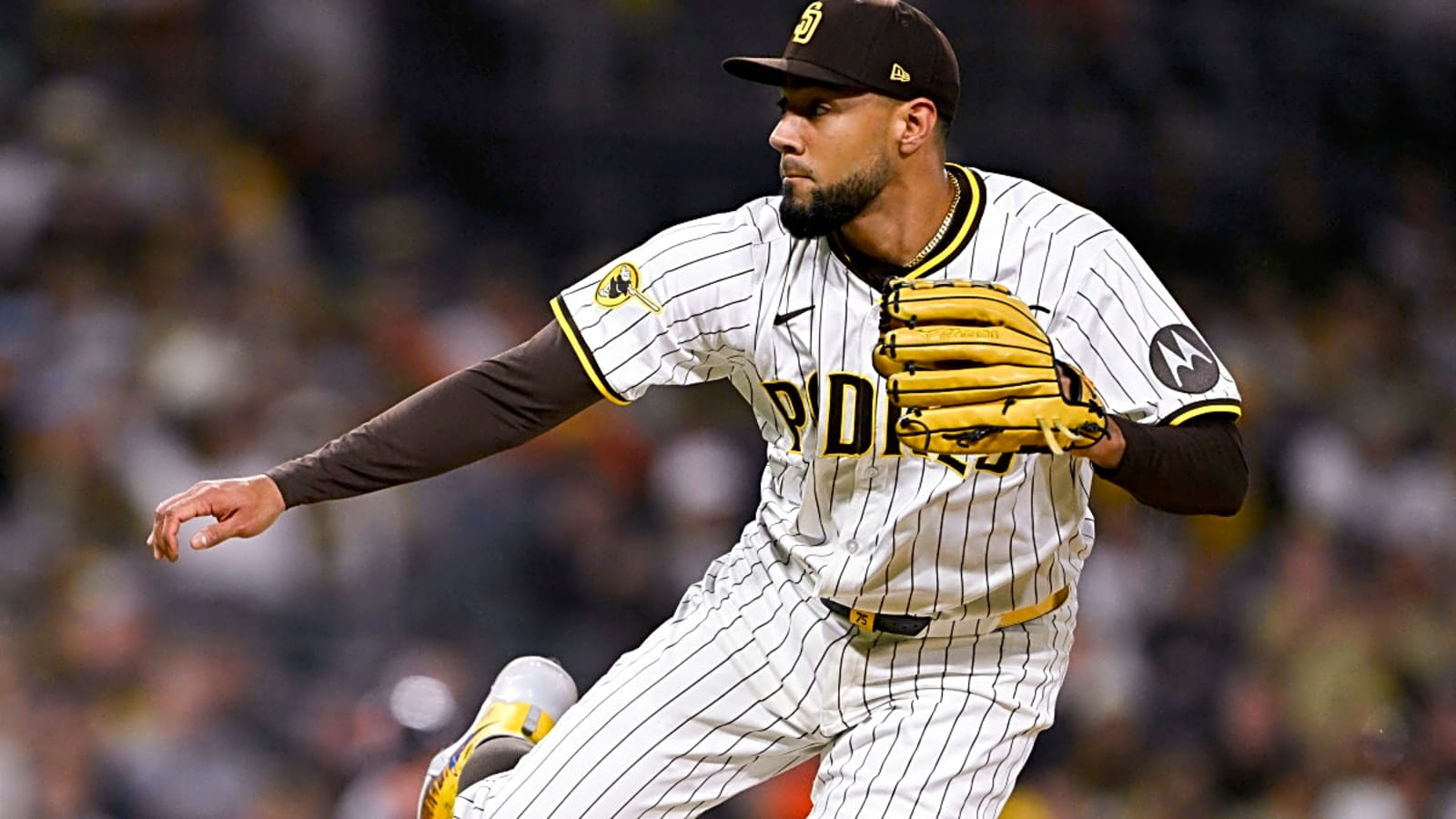
Drafting for saves is one of the most misunderstood components of building a competitive fantasy baseball roster. The category itself is deceptively simple you either get a save or you don’t but the process required to dominate the ninth inning is one of the most nuanced, volatile, and strategically rich parts of roster construction. Managers who consistently win the category rarely rely on luck; they draft with a plan, understand bullpen dynamics, and treat relievers as an asset class with its own rules.
Whether you play in a 12-team mixed league, a deeper 15-team NFBC-style format, or a head-to-head categories league, the path to winning saves follows a predictable pattern. The key is to draft one stable closer, build calculated exposure to upside, and remain flexible as roles inevitably change.
This guide walks through a structured, analytical system for drafting saves in 2025 and beyond.
Why Saves Matter? Five Steps to Managing Saves Better in Fantasy Baseball 2026
The recent change in roles within pitching staffs has changed the bullpen landscape completely. Only eight teams started and ended the season with the same player closing games for them. That means nearly two-thirds of the league’s saves can be acquired during the season or with a draft approach that understands that. My prep for fantasy baseball 2026 includes a lot of reading, reviewing of depth charts and understanding talent. In this piece, we will look at what you can use to make sure that you are ready to win your fantasy baseball team.
First, and foremost for the SMART System, developed by Glenn Colton and I to win expert fantasy leagues is that the “R” in SMART stands for Relief. We proclaim that you should get one of the closers, on a good team that is not at risk to lose his job. Last year, there would only have been eight pitchers: Robert Suarez, Jeff Hoffman, Andres Munoz, Kenley Jansen, Edwin Diaz, Pete Fairbanks, Aroldis Chapman and Carlos Estevez who we recognized had signed a two-year deal making it a sure thing that he would close.
Also, it is important for you to recognize the situations where there is a “committee”, what are the better teams (the “T” in SMART) and where there is a shaky closer for the team. We identify the players who are in those situations and then add to that our rules of engagement for pitchers to be sure that the metrics are in place (SwK, FpK, K/9, FIP, BABIP) and they have opportunity. Success from late round or low dollar draft picks for saves lies in a simple equation:
Talent + Opportunity = Success
Step 1: Know Your Saves Target Before You Draft
In every draft that I am in, I go into it with four pieces of knowledge that change the way you draft to protect saves:
- Scoring system and roster makeup - need to understand what style you are playing in to determine how you approach the draft. Does the roster require relief pitchers? How many? How valuable are saves?
- Draft style - If you are in a draft style, you need to anticipate where you need to grab you one SOLID closer to start with so that you can lock that in. Then watch for your targets late
- Opponents - Who are you playing against? Knowing how the others in your league will play saves is critical.
-
Targets - What is your target number of saves to be at least 3rd in that category? Targets that I use:
12 Team Only Leagues (using only NL or AL players): 60 saves 10 Team Mixed Leagues (using all players): 85 saves 12 Team Mixed Leagues (using all players): 77 saves 15 Team Mixed Leagues (using all players): 72 saves
Step 2: Secure “Anchor” Closers Based on League Type
We define an anchor closer as one that has the closer job on a winning team and is not likely to lose that job. Simply put:
- Clear ninth-inning role
- Strong metrics
- No immediate competition
- Plays on a team projected for 80+ wins
There are usually around 8-10 players that we identify with those attributes. It largely depends on the league type as to how many that you should go after:
- 12 Team Only Leagues: One
- 10 Team Mixed Leagues: Two (maybe Three to dominate the category)
- 12 Team Mixed Leagues: Two
- 15 Team Mixed Leagues: One
Step 3: Build Your Second and Third Saves Contributors Later
Once you have your anchor or two anchors, you can forget saves until very late in the draft. Pile up your hitting and starting pitching for most of the draft.

Profile 1: Identifying Closers With Good Teams
These are closers whose roles are locked in who possess dominant stuff. We look closely at two other factors as well:
- Manager Style: Many managers have a style where they employ the closer in the best “high leverage” situation, the spots where the best hitters on the opponent team are coming up with the game on the line. Identify those situations and handle with care.
- Contracts: Players who have locked in multi-year deals as the team’s closer are way more likely to keep that job.
Profile 2: Next In Line Behind a Shaky Closer - Using Depth Charts
Every bullpen has an ever changing depth chart under the closer. We usually rate them in the following categories:
- Closer: the player who is named by the manager as the closer.
- Setup: the player who the manager brings into the game in the 8th inning
- Next in line: the player who is ready to take either of the above roles
- Best stuff of the others: the player in the bullpen who has the best stuff and is a future closer.
Many times setup players can become closers when the closer is traded near the trade deadline or sooner to help a team that is contending. All players in the bullpen can add security to the ratio categories and often provide almost as many strike outs as your 5th or 6th starter on your roster. Sometimes it is smart to go after these players.
With the way pitchers are used, some of the bullpen pitchers can also add to your wins total.
Profile 3: Late-Round Speculators
This is the tier where wins are made. You don’t need them all to hit as you can add and drop them easily. Consider targeting:
- High Velocity: Hard throwing pitchers are better in the late innings
- Multiple high velo pitches: A slider or cutter to go with the 2-seam and 4 seam fastballs.
- Swinging strike percentage (SwK): Getting batters to swing and miss in that innings correlates to more strikeouts and more success
- First-pitch strike percentage (FpK): Late innings pitchers who throw strikes have more success. Simple really.
- Strikeout per 9 innings (k/9): The ability to strikeout more than one hitter per inning is important when coming in late in games with the game on the line.
Then, it is a matter of opportunity. Where is that pitcher on the depth chart and how shaky is the player who is currently in the role. The higher up the list of roles in the last section the better. A rumored “by committee” closer can be very valuable in the late rounds.
Step 4: Punting Saves is Not a Strategy
Punting saves is not recommended but it can happen by accident. If the eight solid closers go in a “closer” run during your draft and you miss on them, you need to PIVOT…PIVOT…PIVOT.
Accidental punting of saves can work if:
- You stack power, speed, AND starting pitching
- You speculate well on setup men behind shaky closers and high skills relief pitchers and be self-compassionate if you miss and make moves in season to get the right guys
- You trade mid-season to solve the low saves as they can be easy to come by if someone else accidentally has a windfall of them.
- You have others who are punting saves and so you don’t finish last
Most managers who “accidentally punt” saves do so because they waited too long and were forced into bad players who are closers.
Step 5: Expect to Add Saves Through Pickups
Let’s look at some numbers that might have us understand how important it is to be active and how many saves are available to pickup during the season:
- There were 1201 saves recorded last year by all teams
- The Chicago White Sox had only 25 and Padres had 49
- Only three teams had less than 35 saves so a majority of the teams were between 35 and 45 saves
- 214 different players got one save last season
- 32 players had more than 10 saves
- 21 players had more than 20 saves
- 8 had more than 30 saves
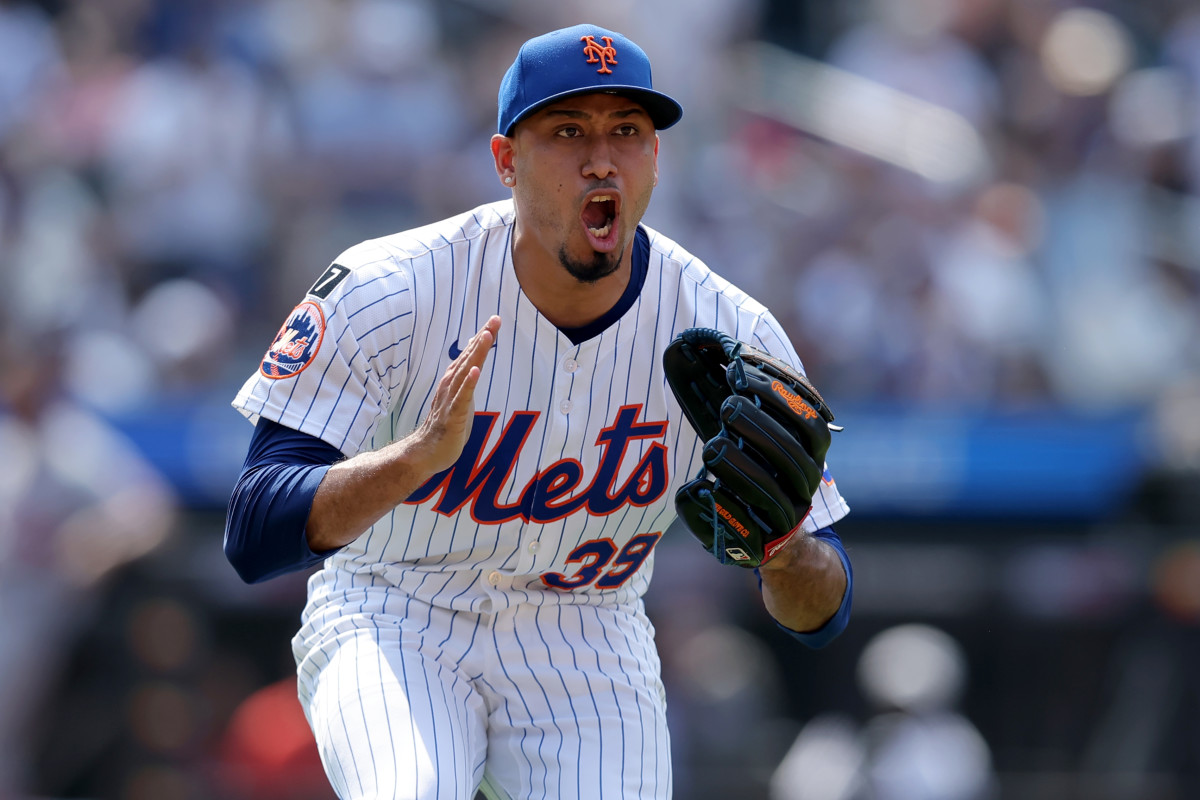
- Two players had more than 40 saves - Robert Suarez, Carlos Estevez (“Charlie Sheen”)
Here are the areas that you look at in the news:
- Injury: Injuries to the closer will open up opportunity
- Talent: Closer is bad and manager makes a change
- Opportunity: Setup man is so good that it forces a slow change. Get him EARLY
Step 6: Common Mistakes to Avoid
- Overpaying for two elite closers: You budget will not work for hitters and starting pitchers
- Ignoring ratios: Some closers might have a high WHIP or ERA. Be careful
- Draft closers on bad teams: Closers on bad teams get traded to ge setup men on good teams
- Draft skills not roles: Remember talent is the most important thing for relief pitchers to eventually get the role.
Saves are a category of talent and opportunity. Don’t draft as if jobs never change. They always do.
Summary
The fantasy baseball landscape rewards managers who understand talent and the opportunity that is likely to come. Drafting for saves is about identifying a list of the solid closers and getting one. Then, cherry picking anyone who falls through the cracks and targeting talent with potential opportunity late in your draft or with a small amount of your budget.
More must-reads:
- Fourth-inning outburst propels Cubs to 15th straight home win
- Details emerge on 'inappropriate' behavior that led to firing of Tigers' Triple-A manager
- The 'NBA scoring champions' quiz
Breaking News
Trending News





Customize Your Newsletter
 +
+




Get the latest news and rumors, customized to your favorite sports and teams. Emailed daily. Always free!
PRIVACY POLICY COOKIE POLICY CONTACT US
ABOUT YARDBARKER TERMS OF SERVICE


By using this site, you agree to our Terms of Service and Privacy Policy.
This site is for entertainment purposes only.
There is no gambling offered on this site.
Gambling Problem? Call 1-800-Gambler.
