
-

-


Follow Us
-

 On Facebook
 On Flipboard
 On Twitter

You have mastered seasonal redraft fantasy baseball leagues, and you decide that you are ready for the next level challenge. You’ve long been paying attention to the minor leagues in order to find the hot prospects for your seasonal leagues but have started to deep dive a little more recently.
It is time for a dynasty fantasy baseball league.
There is no other type of league that will test your full knowledge of all of baseball, the major leagues and the minors as well. How do you prepare for a dynasty draft? It sure isn’t for the faint of heart.
How to Get Ready For a Dynasty Draft
You have to ask yourself a simple, yet complicated question right off the bat. Are you trying to compete to win in Year 1 or are you attempting to build a team for the near future? That will at least give you an idea of how you want to build your roster.
Win Now or Later: The Dual Strategy
One of the toughest parts of a dynasty league is trying to keep yourself competitive each year and also building toward the future. What is the correct ratio between veterans, rookies and prospects, and speculative minor league players that could pay off huge in the future? When it comes to the yearly rookie drafts do you go for positional need or just draft the best available players? I think you should always try to win.
Be Careful with Prospects
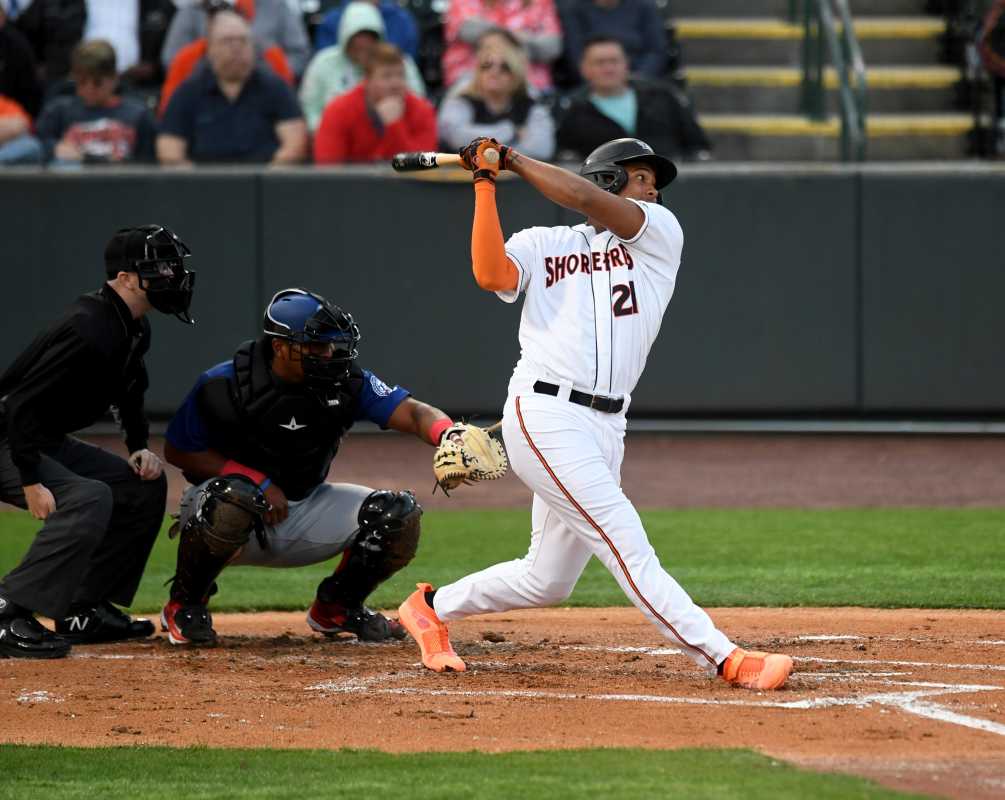
Prospects don’t always pan out. Many “can’t miss” prospects have indeed missed. Some have been passed by others in the organization, injuries happen, service time shifts all can play into a guy not making it or hitting it big in the majors. This isn’t to say that you should completely focus on consistent veterans but limiting your exposure to two or three topflight minor leaguers is wise.
Knowing When to Hold 'Em, When to Fold 'Em
What age do players start to lose their value, especially in potential trades? This question can have a different answer for almost every player. Hitters tend to hold their value longer, as pitchers with a couple thousand innings on their arm will fall off a cliff at some point. You don’t want to be holding the wrong player when that happens. It is almost better to trade away a guy a year early than hold them a year too long.
There are also huge potential risks in the pitching side as Tommy John surgery, which is prevalent these days, will cost you an entire year of production from a pitcher, and eats a potential roster spot or clogs up a limited IL spot. Not that hitters don’t get hurt, but pitchers are certainly a higher risk. It is almost better to focus on pitchers that have already have had Tommy John as it isn’t a surgery that happens twice very often. If you are rostering a pitcher over 30 or a hitter over 34 they are probably on your roster forever, unless you really take a discount on a trade. Focus on players under that age in your draft, at least until it starts to get into the later rounds and you are filling out your roster.
Lay a Strong Foundation to Build Long-Term Success
Early in the draft you need to focus on younger producers with high upside and they should be 25 or younger. You need to lay a foundation of sustained success with players you can roster for a long time. Once you get into the middle rounds it is time to take some chances with those high-upside, big time prospects and hitting a sleeper or two that is going to outperform their draft position. Everyone else is going to have similar plans, so in the later rounds you should take a few of those older players that might have a shorter window for success, but they certainly would have gone earlier in a redraft league. You can also take a chance on a couple of prospects in good situations that might not have the top-20 prospect pedigree.
The Age-Old Problem
The biggest challenge in dynasty leagues is figuring out a player's lifecycle. When is it time to add a player and when is it time to offload veterans? We laid out a decent framework earlier in the article, but with dynasty leagues you don’t just have to value players, but you also have a rookie draft each year, so how do you value draft picks?
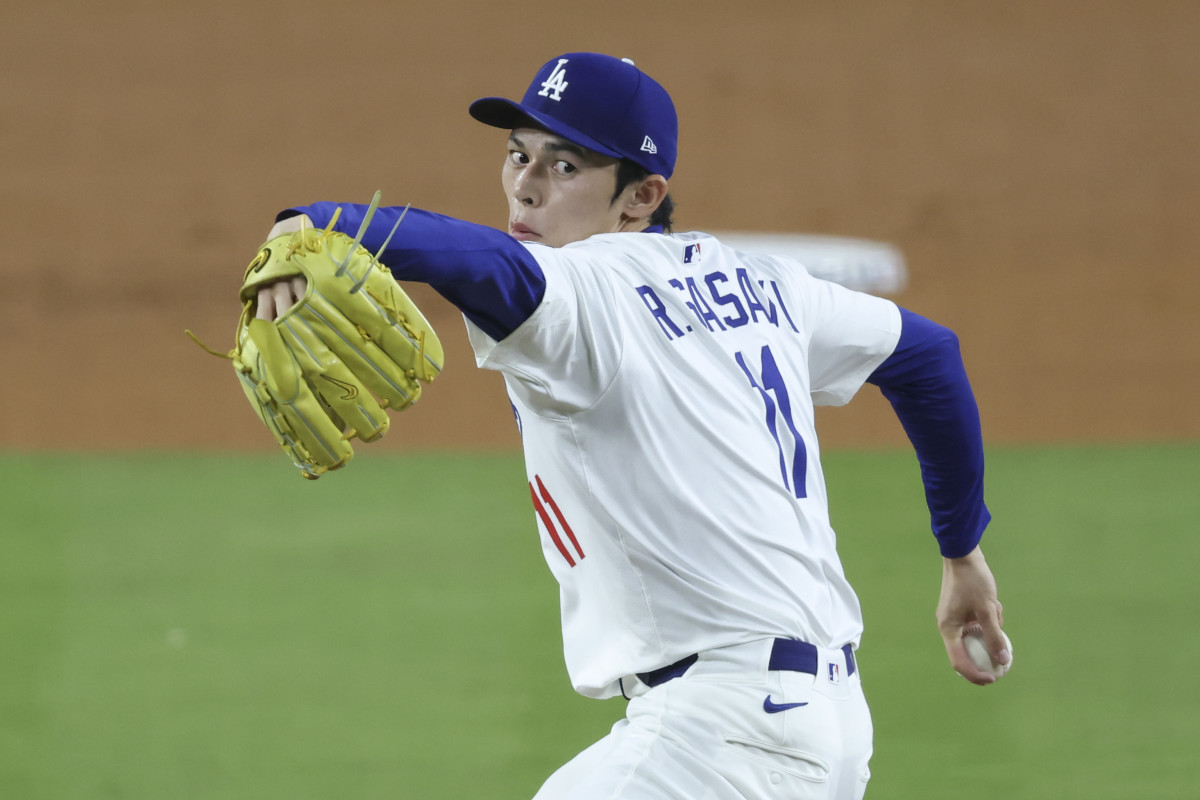
Draft picks are a little less valuable in fantasy baseball because of the influx of minor league players during the season, but also depending on your bench size, a lot of the top prospects are generally already on someone else’s roster. The prizes in rookie drafts are generally those players who are coming to the United States for the first time, like Roki Sasaki and Yoshinobu Yamamato the past couple of years. That makes the first three to five draft picks valuable, and then the rest is a little more of a dart throw.
Summary: Finding the Right Mix
The keys to the draft is finding the right mix of young players/prospects and veterans to help you win this year, as well as stay in contention for years to come. With fewer teams manipulating service time to keep their young players in the minors, those young players are able to make an impact earlier.
Before the draft you have to be sure to research team’s minor league systems as well as predictions about what year these minor leaguers are anticipated to hit the big leagues. You can’t focus too much on later and not enough on now. Monitor the minor leagues during the season, to see if those on your roster are surpassing expectations or falling behind.
Stashing a prospect for a couple of seasons that ends up going nowhere is lethal to your roster. Never stop working your dynasty league roster and you will find yourself competing for a very long time.
People Also Ask
What is a dynasty fantasy baseball league?
A dynasty league is a league in which managers retain their players from one season to the next.
What is the appeal of a dynasty league?
It builds competition over a longer time period, allowing managers to function very similar to actual MLB general managers. It requires a deep knowledge of both the majors and minor leagues.
What is the toughest aspect of being a manager in a dynasty league?
Much like the big leagues, the most challenging aspect is knowing the right time to release an aging player. That is closely followed by knowing which prospects are worth the long-term investment.
More must-reads:
- Konnor Griffin megadeal would be franchise-shifting moment for Pirates
- Ya snooze, ya lose: Royals catcher held out of lineup for relatable reason
- The 'Youngest MLB 30/30 seasons' quiz
Breaking News
Trending News






Customize Your Newsletter
 +
+




Get the latest news and rumors, customized to your favorite sports and teams. Emailed daily. Always free!
PRIVACY POLICY COOKIE POLICY CONTACT US
ABOUT YARDBARKER TERMS OF SERVICE


By using this site, you agree to our Terms of Service and Privacy Policy.
This site is for entertainment purposes only.
There is no gambling offered on this site.
Gambling Problem? Call 1-800-Gambler.
