-

-


Follow Us
-

 On Facebook
 On Flipboard


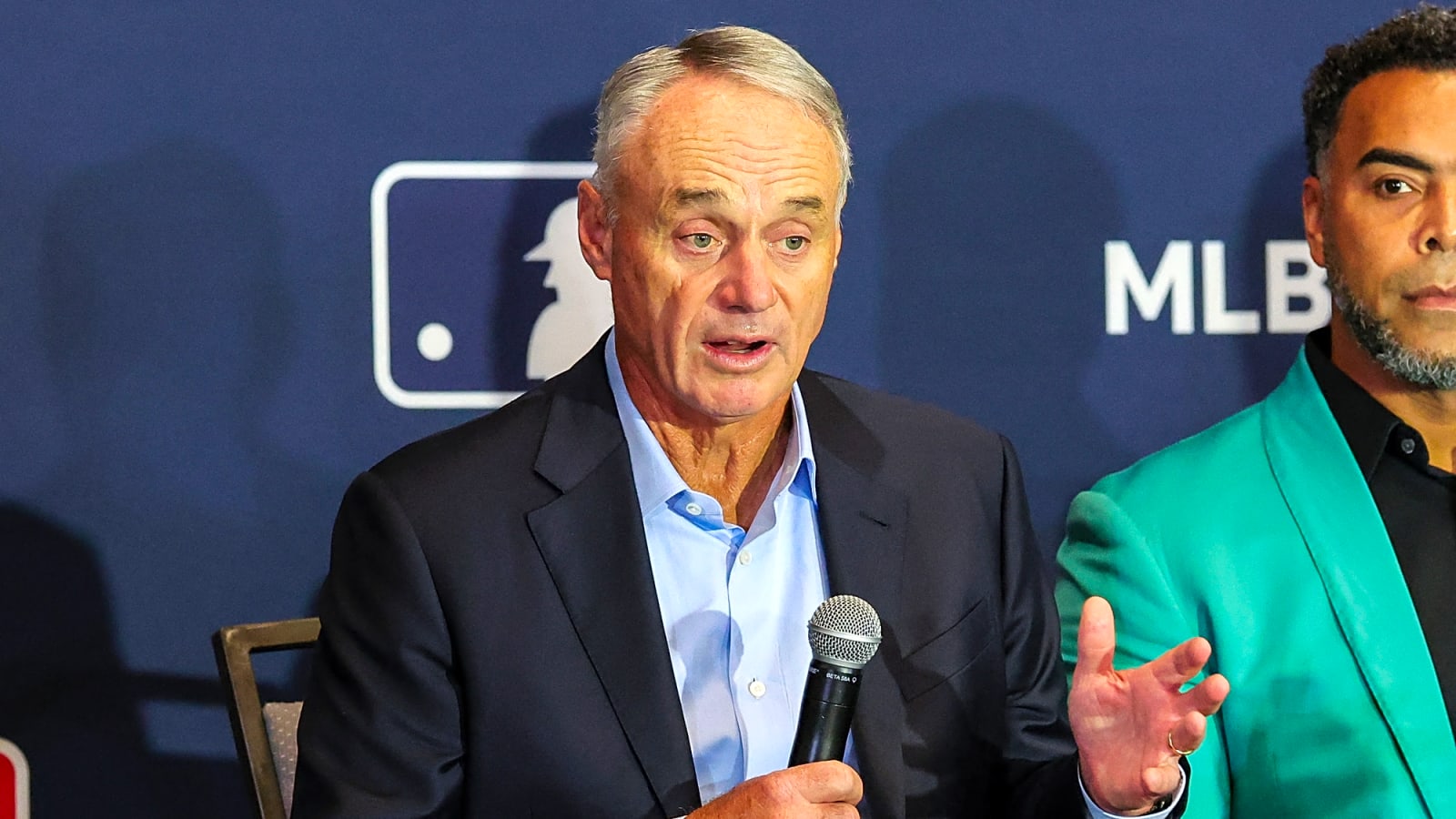
Major League Baseball has sued the MLB Players Association in federal court in an effort to prevent the union from disclaiming its status as the players’ sole bargaining representative, reports Jared Diamond of the Wall Street Journal. The league has reportedly been concerned that the union will temporarily disclaim, which would allow players to file a class-action suit alleging violations of antitrust law to enjoin the forthcoming lockout — a tactic that interim executive director Bruce Meyer has been associated with in labor negotiations for other professional sports leagues.
MLB is seeking a preemptive ruling that the lockout is legal, which would essentially eliminate the players’ leverage in potentially disclaiming. The league is not seeking any damages, instead pursuing a declaratory judgment on the lockout’s permissibility.
“Today’s filing is a defensive measure simply intended to keep the parties at the bargaining table to work towards a new collective bargaining agreement and a full 2027 season,” MLB spokesman Glen Caplin wrote in a statement today (via Evan Drellich of The Athletic). “…[O]ur objective is to protect the collective bargaining process so that we can remain at the table until we negotiate a new labor agreement.”
Major League Baseball is also accusing the union of failing to negotiate in good faith. The league is planning to file an unfair labor practice charge with the National Labor Relations Board, per Diamond’s report. Unsurprisingly, the union has swiftly rebuked the league’s efforts and issued pointed comments of its own.
“The lawsuit filed today by MLB is completely frivolous,” Meyer said. “We will respond appropriately, but MLB’s decision to run to court in the middle of negotiations rather than bargain in good faith is incredibly disappointing.”
To this point, the MLBPA hasn’t signaled any plans to disclaim or decertify — at least not publicly. The league’s trepidation surrounding the matter appears largely theoretical. There’s precedent for this sort of action among professional sports unions, however; back in 1992, when the NFLPA used this same disclaim tactic, a jury ruled that the NFL had violated antitrust laws, leading not only to the advent of free agency in the NFL but $543K in compensatory damages — a sum that was tripled due to laws enforcing treble damages (which allow the court to triple the amount of damages awarded by a jury).
Those laws are still in place, so if the MLBPA were to temporarily step down as the negotiating arm and players successfully won an antirust suit, it’s possible the league would be required to pay triple the sum agreed upon by the jury.
Again, this is all highly theoretical, but the league apparently harbored enough concern to raise the issue in federal court. The suit, filed in the Southern District of New York, names all 30 major league teams as plaintiffs and specifically lists the MLBPA’s eight executive subcommittee members — Paul Skenes, Tarik Skubal, Chris Bassitt, Jake Cronenworth, Cedric Mullins, Pete Fairbanks, Marcus Semien and Brent Suter — as defendants. Diamond notes that MLB has said it will withdraw its suit if the MLBPA agrees to remain a union until a new collective bargaining agreement is reached.
The sides have continued negotiations over the last few days, though they’re not going to make any progress as long as they’re fundamentally at odds over the salary cap. Every league proposal is conditioned on a cap; each union proposal assumes the absence of a cap.
MLB revealed yesterday they’re technically abandoning their initial formulation of holding a percentage of player salaries in escrow in case of revenue shortfalls (link via Ronald Blum of The Associated Press). As the cap/floor would be tied to revenues, the sides would need some way to account for situations where actual revenue differs from projections. Other cap leagues have accomplished that by holding player salaries in escrow and allowing owners to claw money back in the event of a revenue shortfall.
The modified league proposal would eliminate escrow and instead adjust the cap/floor in future seasons where revenue differs from projections. Caplin framed that as ensuring “that every single guaranteed player contract will remain fully guaranteed in the new salary cap and floor system.” The union saw the change as a distinction without a material difference. “Instead of holding back player money each year, MLB’s new proposal is to take that same amount of money out of players’ pockets in the following year,” Meyer said in a statement of his own.
More must-reads:
- Veteran workhorse Kevin Gausman agrees to deal with Tigers
- Former All-Star Kris Bubic gets fresh start with American League contender
- The 'Multiple Cy Young Awards' quiz
Breaking News
Trending News


Customize Your Newsletter
 +




Get the latest news and rumors, customized to your favorite sports and teams. Emailed daily. Always free!
PRIVACY POLICY COOKIE POLICY CONTACT US
ABOUT YARDBARKER TERMS OF SERVICE


By using this site, you agree to our Terms of Service and Privacy Policy.
This site is for entertainment purposes only.
There is no gambling offered on this site.
Gambling Problem? Call 1-800-Gambler.