-

-


Follow Us
-

 On Facebook
 On Flipboard



The Minnesota Twins decided to invest $55 million over two years to bring back Sonny Gray, one of the pieces that helped the team win the American League Central Division in 2023.
After three seasons without returning to the playoffs and several years of payroll cuts, Minnesota is putting money on the table again with the intention of building a competitive team around its current core. Gray’s signing, added to the $23.15 million Ryan Jeffers accepted through the qualifying offer, represents an important start, but there are still needs to address.
One of them is in the bullpen, where finding another left-handed reliever could become one of general manager Jeremy Zoll’s next moves before the December 1 lockout.
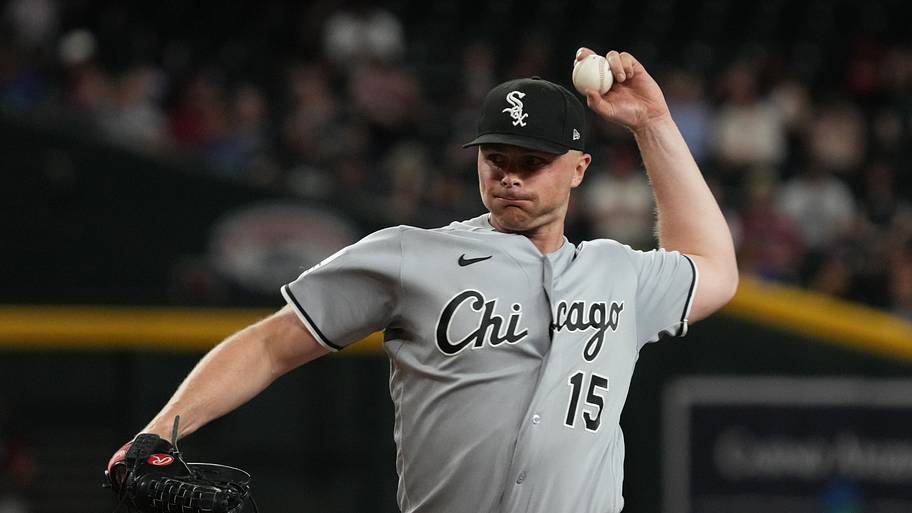
At 33, Sean Newcomb is one of the left-handed relievers available in free agency who has characteristics to become an interesting alternative for Minnesota, which lost Taylor Rogers and A.J. Minter in free agency and also left Anthony Banda off its 40-man roster.
Banda became a free agent while recovering from an injury that could keep him out until mid-2027. With Kody Funderburk as one of the main left-handed options remaining in the bullpen, adding another arm with major league experience seems like a reasonable need.
After two seasons in which he regained his value as a major league pitcher, Newcomb has managed to turn his career around and become a versatile arm, capable of taking on different responsibilities in the bullpen, from opening games as an opener to absorbing several innings.
His adjustments began last year when he was sent from Boston to the Athletics, after having thrown just 25 combined innings between 2023 and 2024, allowing a combined 5.26 FIP with a 1.41 K/BB rate, the worst of his career in any span of two consecutive seasons since he debuted in the Majors with the Atlanta Braves in 2017.
The leap in quality behind his recovery
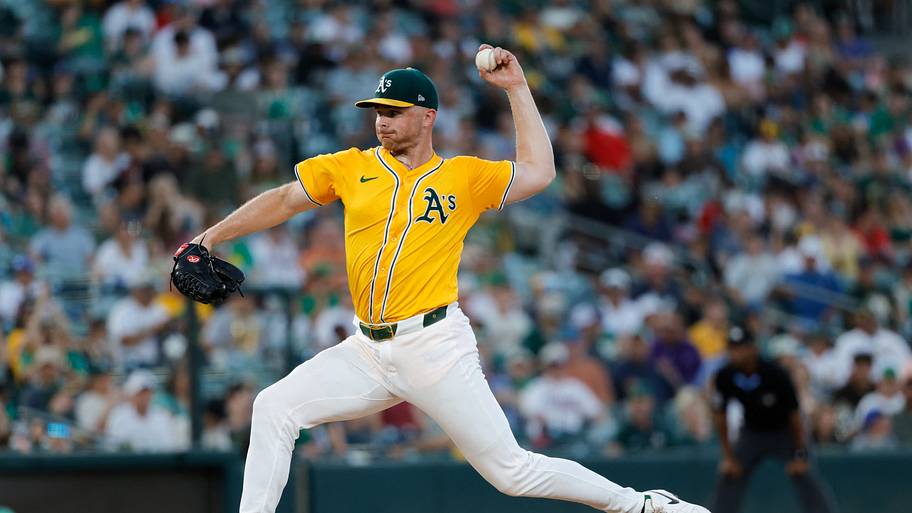
Upon arriving at the Athletics, his projections were not encouraging, and with the ballpark effect while pitching in Sacramento, when he played at home, the challenge was greater. Another point that reinforced the doubts was the high .409 BABIP he allowed in the 41 innings against the 190 batters he faced when he was given the opportunity to start and relieve with the Red Sox.
In Chicago, Newcomb felt comfortable and recorded a personal best of 60 appearances, six of them as a starter, as he was used as an opener on some occasions. His total of 90 ⅓ innings was the second-highest of his career after the 92 ⅓ he threw last year, and his average velocity continued to rise, increasing by almost one mile per hour from 93.9 to 94.8.
He made the necessary adjustments with his fastball and considerably improved his control, which allowed him to record a 1.75 ERA in 51 ⅓ innings over 36 relief appearances. In the process, his average fastball velocity increased from 92.8 to 93.9, but that was only part of his mechanical and approach adjustment, as his Stuff+, Location+, and Pitching+ also reached a higher level, making a significant jump compared to the version of himself who pitched in Boston.
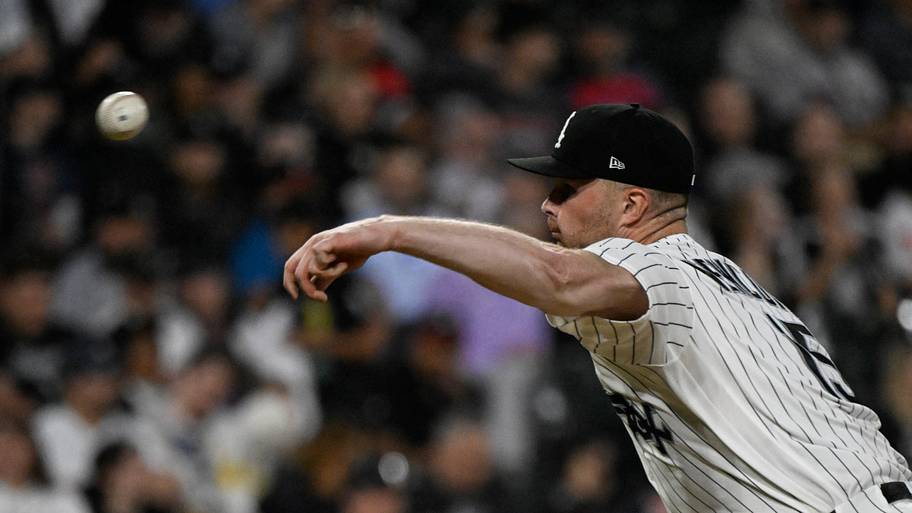
His Stuff+ rose from 100 to 106, surpassing his career average of 102, but, as you can see, the biggest leap in quality came in his Location+ and Pitching+, two keys that helped him balance his K/BB from 2.41 to 3.57. That strikeout-to-walk ratio has been the best result of his career.
Although Newcomb was unable to repeat that impact this year, it opened the door for the Chicago White Sox to give him an opportunity that he knew how to take advantage of, recording 1.7 fWAR and repeating much of the 1.8 total from 2025.
Newcomb also retained his ability to generate ground balls (44.4% in 2026 and 43.7% in his career over 613 ⅔ innings) and, although his walk rate created some problems for him again, he limited the league to a 5.0% HR/FB and a .285 BABIP. The latter aspect was supported by Chicago’s defense, which recorded +7 Fielding Run Value behind him, the highest support mark among the team’s qualified pitchers. Newcomb finished in the 67th percentile in Barrel% and improved from the 18th to the 43rd percentile in Whiff% compared to last season, but his low ranking in Chase% (17th percentile) raised doubts again about his ability to limit contact.
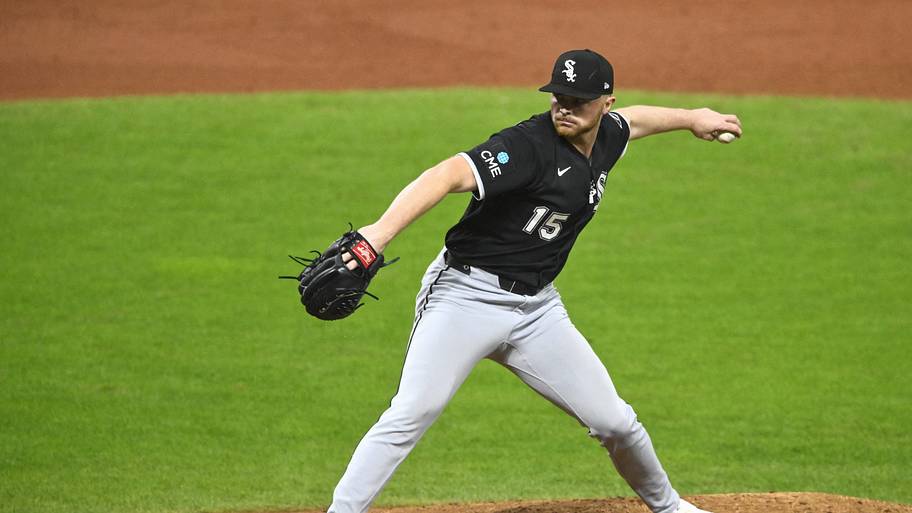
The four-seam fastball was Newcomb’s lethal weapon, as he increased its usage from 29.7% to 39.3%. This year, it generated more swings and misses (28% compared to 23% last year), limiting the league to .230 and .233 xBA over the last two seasons, and formed an effective duo with the slurve (he used it 31% of the time), the pitch that generated the most swings and misses (31.1%). For the second consecutive year, both pitches have combined for a +12 Run Value (+7 for the fastball and +5 for the slurve), but Newcomb will have to work on improving his changeup, sinker, and cutter, his most vulnerable secondary pitches.
More must-reads:
- Mets fill first-base void with Paul Goldschmidt addition
- Mets to land ace Tarik Skubal with historic nine-year deal
- The 'National League MVPs' quiz
Breaking News
Trending News



Customize Your Newsletter
 +




Get the latest news and rumors, customized to your favorite sports and teams. Emailed daily. Always free!
PRIVACY POLICY COOKIE POLICY CONTACT US
ABOUT YARDBARKER TERMS OF SERVICE


By using this site, you agree to our Terms of Service and Privacy Policy.
This site is for entertainment purposes only.
There is no gambling offered on this site.
Gambling Problem? Call 1-800-Gambler.