
-

-


Follow Us
-

 On Facebook
 On Flipboard

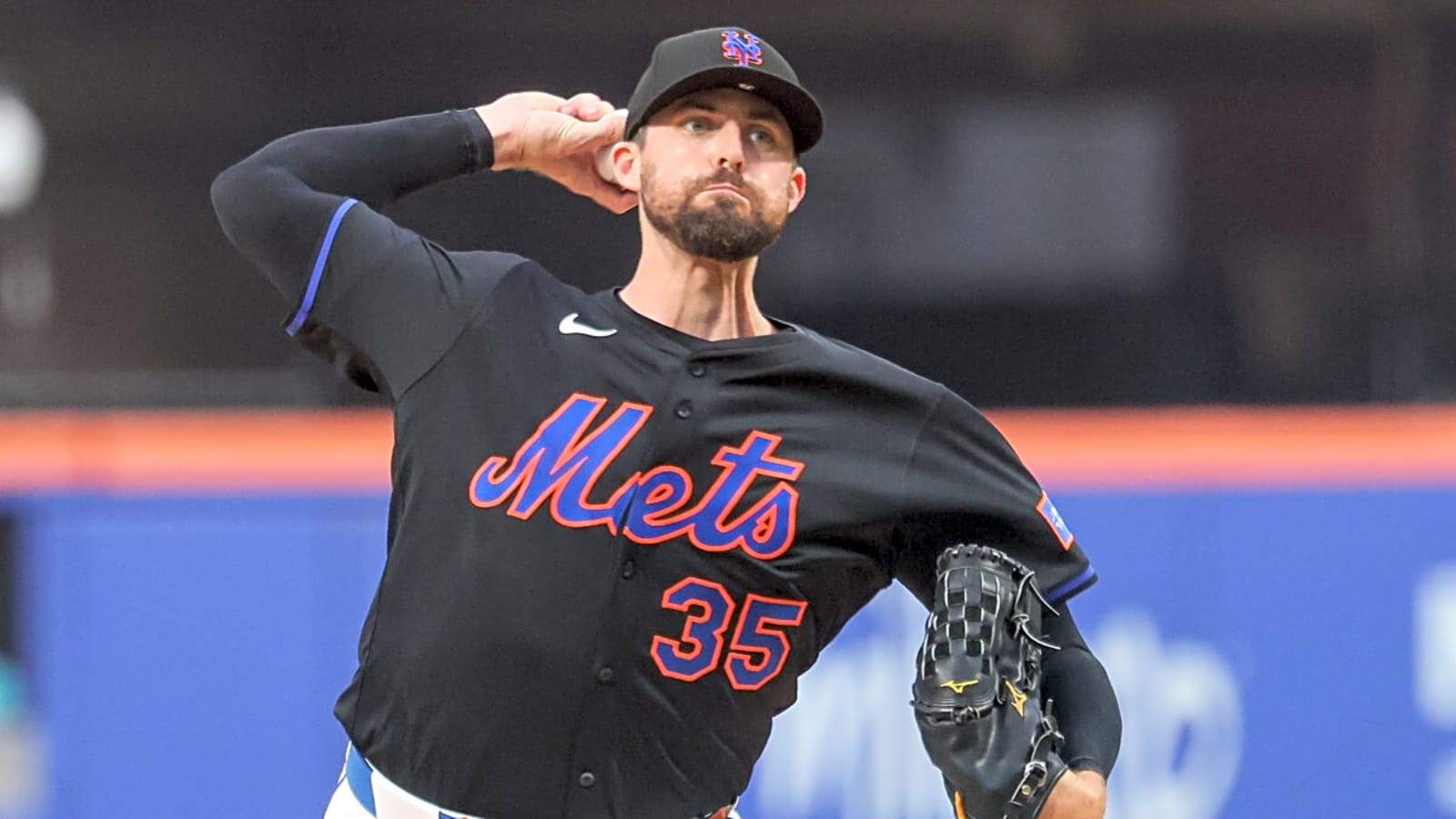
Having won dozens of championships in fantasy baseball including many at the highest levels of so-called expert leagues with more than 10 championships in LABR and TOUT, Glenn Colton and I found the power of swinging strike percentage as an indicator to help us decide the value of a pitcher.
Swinging strike percentage (SwK or SwStr%) is easy to understand but way more difficult to put into practice. Simply put, it is the ability of a pitcher to miss bats. A high SwK signals that a pitcher has the kind of stuff that can overpower hitters. A low SwK tells you the opposite.
In this article, I will break down what SwK means, why it is important, and exactly how to use it when drafting and managing your fantasy baseball teams in 2026.
What SwK Means in Baseball Stats
SwK measures the percentage of total pitches that result in a swinging strike. If a pitcher throws one hundred pitches and hitters miss 15 of them, that pitcher has a 15 percent SwK. SIMPLE. There are no calculations. Does the pitcher miss bats?
As we showed with our analysis of xFIP, ERA can be misleading. A pitcher might have a bad ERA because of bad defense, ballpark, weather, or luck usually measured by BABIP. Strikeout totals can change for a myriad of reasons including workload, role, development of an existing or new pitch and other factors. Even velocity does not tell you everything although the SMART Systemrealizes that players who throw hard are more predictable, but also get injured more. If a pitcher consistently gets swings and misses, it usually means strikeouts will follow.
There are also some helpful benchmarks. If you focus on starting pitchers, last season, pitchers with more than 100 strikeouts averaged 11.7 SwK. For relief pitchers, those who had more than five saves, averaged 14 SwK. So like ERA and WHIP, main statistical categories in fantasy baseball, relief pitchers need to be viewed differently.
How SwK Helps You Evaluate Pitchers
The first big use of SwK is predicting strikeouts. Strikeout rate is one of the most important fantasy categories for pitching. We do all we can to not have any pitchers on our teams that do not average a strikeout per inning pitched. For example, of the Top 25 strikeout starting pitchers in 2025 who all had more than 175 strikeouts, only two pitchers had a below average SwK: Logan Webb and Nick Pivetta.
SwK stabilizes much faster, often in just a few starts, and tends to mirror true pitching skill better than surface stats. A pitcher with rising SwK is usually on the verge of a strikeout spike, even before the strikeouts increase. As we said when looking at xFIP, we need to look at SwK in conjunction with other factors to be successful: velocity, pitch mix, workload expectations, Expected Fielding Independent Pitching (xFIP), strikeout per walk (K-BB%) and first pitch strike percentage (FpK)
Another underrated use of SwK is evaluating pitcher roles. Starters with strong SwK tend to stay in the rotation. Relievers with elite SwK often become high leverage options or closers or are groomed in the following season to be starters like Clay Holmes and Garrett Crochet. In leagues where you are chasing saves, SwK can spotlight the bullpens’ next in line closers before the managers make the move.
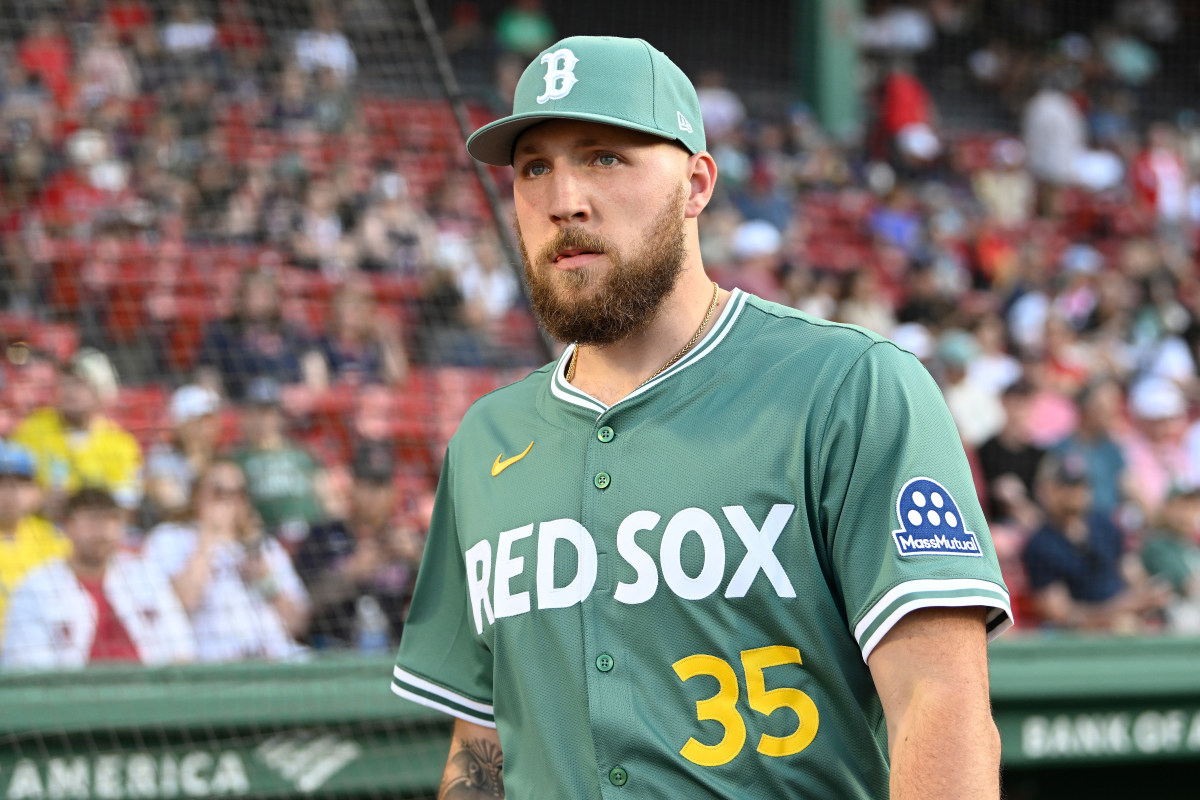
How To Use SwK During Your 2026 Fantasy Draft
When making your draft list, consider looking at SwK while evaluating pitchers, their roles and their upside. An SwK trend upward is an indicator of future strikeout dominance. Use SwK as one statistical indicator. When choosing between two pitchers with similar projections, take the one with the higher SwK. Strong swing and miss ability gives pitchers more room for error throughout the season especially if they have high velocity and high FpK percentages.
In season, when making waiver wire or FAAB blind bidding pickups, look at SwK of the pitchers you are adding against their strikeouts to see which pitchers will overperform.
Also, I look at the strikeouts of the teams they are playing when streaming. The 10 worst teams in the hitter strikeout category provide real value when facing a strikeout pitcher with a high SwK.
Conclusion
Combining SwK with velocity, pitch mix, workload expectations, Expected Fielding Independent Pitching (xFIP), strikeout per walk (K-BB%) and first pitch strike percentage (FpK) is important when evaluating pitchers for your draft and for in-season. For your draft, look for year over year trends or undervalued pitchers with high SwK numbers.
As you prepare for fantasy baseball 2026, keep SwK in your back pocket. It is not the leading metric as it is not a category you play with, but strikeouts is. If you want to win strikeouts, watching this metric is a good place to start.
People Also Ask
What is a good SwK for pitchers?
Around 14 percent or more is usually considered strong.
Does SwK predict strikeouts?
Yes, higher SwK typically leads to higher strikeout rates.
Can hitters use SwK to show improvement?
A decreasing SwK against can indicate better plate discipline.
How fast does SwK stabilize?
SwK generally stabilizes quickly and becomes reliable early in the season.
Is SwK better than ERA for fantasy?
For predicting future performance, SwK is more reliable than ERA because it isolates skill.
More must-reads:
- Yankees flirt with franchise record vs. Athletics
- Dave Roberts provides worrisome update on Tyler Glasnow
- The 'Foreign-born 250-HR club' quiz
Breaking News
Trending News






Customize Your Newsletter
 +
+




Get the latest news and rumors, customized to your favorite sports and teams. Emailed daily. Always free!
PRIVACY POLICY COOKIE POLICY CONTACT US
ABOUT YARDBARKER TERMS OF SERVICE


By using this site, you agree to our Terms of Service and Privacy Policy.
This site is for entertainment purposes only.
There is no gambling offered on this site.
Gambling Problem? Call 1-800-Gambler.
