
-


Follow Us

 On Facebook
 On Flipboard
 On Twitter
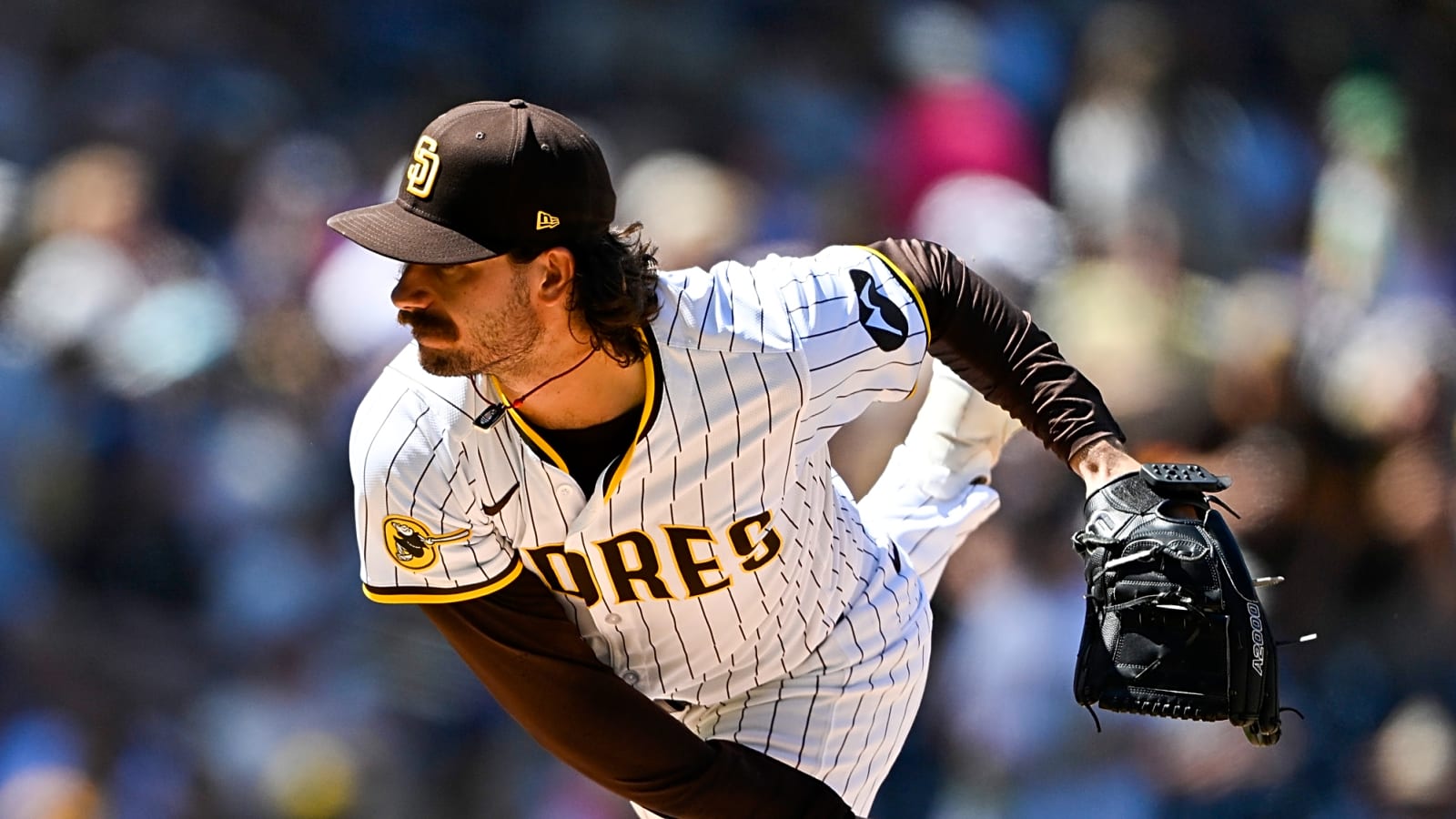
The MLB offseason is in full swing, and as teams and agents converge for the annual Winter Meetings, the hot stove is blazing with high-stakes deals and swirling trade rumors. December has already seen significant movement, including the Toronto Blue Jays‘ massive seven-year, $210 million agreement with ace pitcher Dylan Cease and the New York Mets bolstering their bullpen with the signing of two-time All-Star reliever Devin Williams.
These moves are setting the stage for what promises to be a dramatic few weeks as the top remaining free agents, like outfielder Kyle Tucker and shortstop Bo Bichette, weigh their futures and teams jockey for a competitive edge in 2026. The flurry of activity underscores a fascinating blend of aggressive spending, strategic patience, and the ever-present shadow of potential future labor concerns impacting front-office decisions.
Inside the MLB Offseason Blockbusters
The Cease Effect and the Pitching Market’s Pace
The Blue Jays’ landmark signing of Cease immediately altered the landscape of the pitching market, making him the biggest free-agent signing in franchise history. This blockbuster deal demonstrated that teams are willing to commit significant long-term resources for a frontline arm, especially with a relative scarcity of top-tier starters available compared to previous offseasons. The move for Cease followed other major agreements, including the Baltimore Orioles locking up Ryan Helsley and the Atlanta Braves bringing back Raisel Iglesias.
The focus now shifts to the remaining elite arms, both in free agency and the trade market. Japanese right-hander Tatsuya Imai is drawing interest, while the Detroit Tigers‘ Tarik Skubal is a primary target in trade discussions. Teams like the Chicago Cubs and the Houston Astros are in the market for rotation help, with Houston needing to replace the likely departing Framber Valdez. The sheer demand for quality pitching is driving up prices and forcing general managers to consider all avenues, whether through free agency or leveraging prospect capital in trades.
The Awaited Decisions of Tucker and Bichette
While pitching has dominated the early headlines, the top offensive free agents remain unsigned, creating palpable anticipation as the Winter Meetings progress. Tucker is arguably the top position player available and is expected to command a lucrative long-term deal after declining a qualifying offer from his former club, the Cubs. Teams like the New York Yankees and Los Angeles Dodgers are rumored fits, and his decision will likely trigger a ripple effect across the outfield market.
Bichette is another marquee name. While a return to Toronto is possible, especially given the team’s “all-in” approach for his and Vladimir Guerrero Jr.‘s walk years, Bichette’s market could range from shorter, high-AAV deals to an eight-year contract potentially touching $200 million. His future destination will dramatically reshape the middle infield market.
Trade Winds Blowing Strong
Beyond free agency, the trade market is unusually active, partly due to the possibility of labor strife in 2027 prompting teams to make proactive moves. Insiders have highlighted numerous All-Stars who could be on the move, including Byron Buxton, who is reportedly willing to waive his no-trade clause with the Minnesota Twins. The Mets have already swung a significant deal for Marcus Semien, sending Brandon Nimmo to the Texas Rangers, and the Boston Red Sox acquired Sonny Gray.
This dynamic environment means that teams with organizational depth, like the Orioles with their strong farm system, have the assets needed to acquire established talent. The ongoing discussions about players like Skubal and MacKenzie Gore, suggest that major, roster-altering trades are not only possible but likely in the coming days as the Winter Meetings reach their peak.
The current landscape showcases an MLB in flux, where financial might, strategic foresight, and a touch of calculated risk are all essential ingredients in the quest for a 2026 World Series championship.
More must-reads:
- Mets reportedly eyeing Twins ace to fortify rotation
- Why Blue Jays should be willing to open checkbook for Kyle Tucker
- The '100-scrimmage-yard games since 2023' quiz
Breaking News
Trending News





Customize Your Newsletter
 +
+




Get the latest news and rumors, customized to your favorite sports and teams. Emailed daily. Always free!
PRIVACY POLICY EDITORIAL POLICY CONTACT US
ABOUT YARDBARKER TERMS OF SERVICE


Use of this website (including any and all parts and
components) constitutes your acceptance of these
Terms of Service and Privacy Policy.
This site is for entertainment purposes only.
There is no gambling offered on this site.
Gambling Problem? Call 1-800-Gambler.
