
-

-


Follow Us
-

 On Facebook
 On Flipboard
 On Twitter
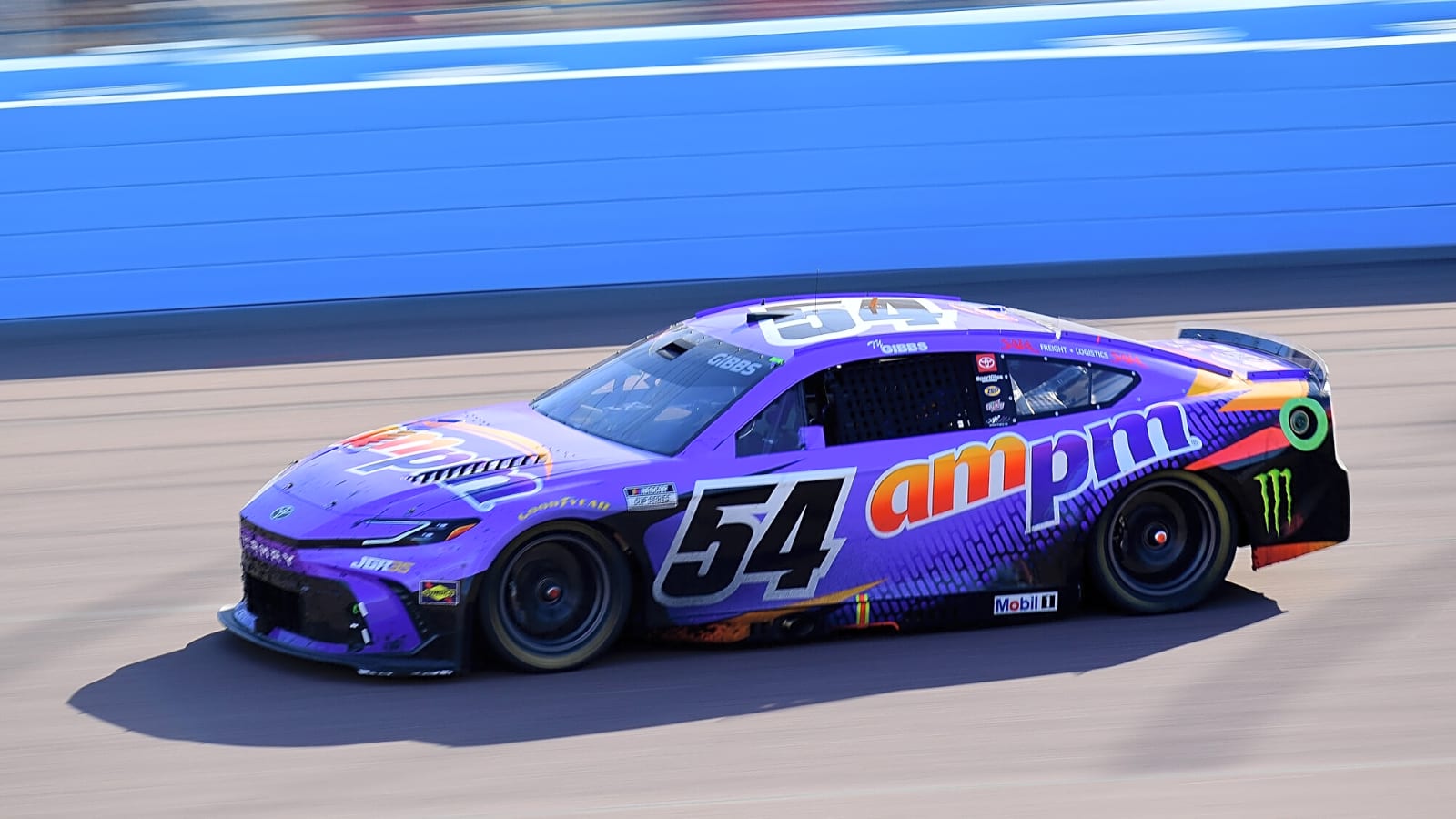
Not every NASCAR weekend is defined by the driver who ends up in Victory Lane. Some races reveal something deeper: who’s maturing, who’s adapting, and who’s quietly proving they belong in the sport’s top tier. At Phoenix Raceway in March 2026, two drivers kept surfacing in garage conversations and broadcast commentary: Ty Gibbs and Carson Hocevar.
Their names weren’t just mentioned. They were emphasized, repeated, and circled by people who know what they’re looking at. Both drivers delivered the kind of performances that make team owners breathe easier and rivals take a second look.
NASCAR recognized their efforts by naming them “Weekend Winners,” a nod that carries real weight when you consider the level of competition they were up against. It’s not a participation ribbon. It’s a signal that their work stood out in a field stacked with champions, veterans, and rising stars.
What Happened At Phoenix
Phoenix Raceway is one of the most unforgiving tracks on the schedule. The one‑mile oval demands precision, patience, and a willingness to adapt when the track changes underneath you. Mistakes don’t just cost positions here.
They snowball into long afternoons. Tire management, restarts, pit strategy, and rhythm all matter, and they matter immediately. It’s the kind of place where drivers either rise to the moment or get exposed.
Ryan Blaney: The Showstopper
Ultimately stole the headlines with a dominant win, showcasing raw speed that few could match. But even as the No. 12 car controlled the front of the field, something compelling was happening behind him.
Gibbs and Hocevar were carving out their own stories, running races that didn’t need a trophy to be meaningful. Their performances were strong enough that even the broadcast booth kept circling back to them.
Ty Gibbs: Flawless Deliverance
Driving for Joe Gibbs Racing, pieced together a race that showed maturity beyond his years. He stayed calm through early‑race chaos, avoided the kind of impatience that has bitten him before, and managed his tires with a level of discipline that impressed even seasoned analysts.
When the closing laps demanded aggression, he delivered it without crossing the line. For a young driver who has spent the last two seasons under intense scrutiny, Phoenix felt like a quiet but powerful answer to his critics.
Carson Hocevar: The Speed Payout
Meanwhile, told a completely different story with his performance. Running for Spire Motorsports, a team that doesn’t have the engineering depth or financial muscle of NASCAR’s giants, he maximized every ounce of speed his car had.
His lap‑to‑lap consistency was the kind of thing that separates long‑term Cup drivers from short‑term experiments. Hocevar didn’t look like a young driver trying to survive. He looked like someone who belongs at this level right now, not someday in the future.
Why Phoenix Reveals Character
There’s a reason veterans circle Phoenix on the calendar. The track rewards preparation and punishes emotion. You can’t muscle your way around this place for 312 laps and expect good results. You have to think, adapt, and trust your crew even when your instincts are screaming to push harder.
Phoenix exposes drivers who rely on aggression alone and elevates those who understand the subtleties of racecraft.Gibbs and Hocevar both demonstrated that kind of discipline. They didn’t overdrive their cars, didn’t panic when the race shifted, and didn’t let frustration dictate their decisions.
Hocevar, in particular, was threading a needle all afternoon. With fewer resources behind him, every choice carries more consequence. There’s no safety net when your team is working with a tighter budget and a smaller engineering staff.
The fact that he ran with the upper tier of the field says something genuine about his talent and his ability to elevate the equipment he’s given. Gibbs, on the other hand, benefits from the full weight of Joe Gibbs Racing.
This is an organization that has forgotten more about NASCAR than most teams will ever learn. But even with elite equipment, talent still has to show up. Machinery can only take a driver so far. Gibbs showed up at Phoenix in a meaningful way, proving that he’s learning how to pair speed with maturity.
What This Means
For Gibbs, a strong Phoenix performance carries momentum into a stretch of the season where consistency will shape playoff positioning. Joe Gibbs Racing needs him firing on all cylinders, especially as the competition tightens heading into the summer months.
The organization has championship‑level expectations, and weekends like Phoenix remind everyone that he’s capable of meeting them. It’s the kind of race that builds trust within the team and confidence within the driver. For Hocevar, the implications are even broader. Young drivers at smaller teams are always auditioning.
Every lap is a job interview, every strong run is a new bullet point on a résumé. Performances like Phoenix build the kind of reputation that opens doors: better equipment, bigger teams, and long‑term stability in the sport.
He’s doing everything right from where he currently sits, and people inside the garage are noticing. To casual fans, “Weekend Winners” might sound like a consolation prize. It isn’t. In a sport where the difference between fifth and fifteenth can come down to a single restart or a quarter‑pound of tire pressure, running strong matters.
It matters to sponsors, to teams, and to drivers trying to build careers. Gibbs and Hocevar didn’t just leave Phoenix with good finishes. They left with something far more valuable: credibility, and that’s what counts.
What’s Next
Phoenix Raceway has a way of stripping away hype and exposing who a driver really is. It doesn’t care about preseason predictions or social‑media buzz. It rewards preparation, discipline, and composure under pressure and it punishes everything else. That’s why the performances from Ty Gibbs and Carson Hocevar stood out so clearly.
Gibbs showed why so many people inside the industry believe he’s a future star, pairing speed with maturity in a way that felt like a turning point. Hocevar proved that a smaller team doesn’t have to mean lower expectations, delivering a run that earned the entire garage’s respect.
Ryan Blaney may have taken home the trophy, but when the dust settled and the garage began to empty, two other names were still being talked about.That’s what Phoenix does. It reveals the stories hiding behind the box score, and this time, those stories belonged to Gibbs and Hocevar.
More must-reads:
- Insider shares notable update on Shedeur Sanders' status with Browns
- Trump's executive order could have big impact on current college sports landscape
- The 'NBA two's leaders by season' quiz
Breaking News
Trending News





Customize Your Newsletter
 +
+




Get the latest news and rumors, customized to your favorite sports and teams. Emailed daily. Always free!
PRIVACY POLICY COOKIE POLICY CONTACT US
ABOUT YARDBARKER TERMS OF SERVICE


By using this site, you agree to our Terms of Service and Privacy Policy.
This site is for entertainment purposes only.
There is no gambling offered on this site.
Gambling Problem? Call 1-800-Gambler.
