
-

-


Follow Us
-

 On Facebook
 On Flipboard

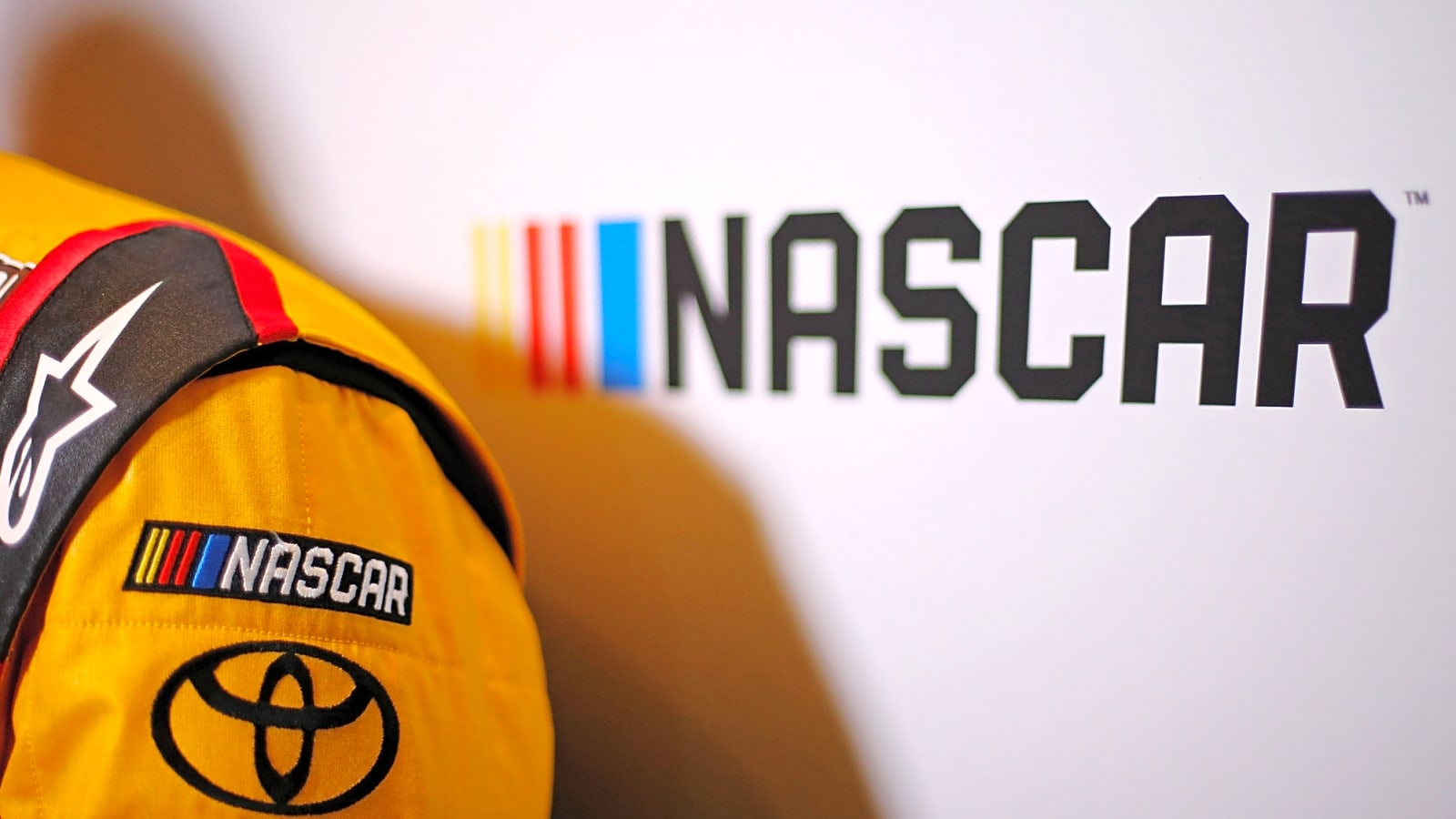
Should NASCAR overtime be sport's next mid-2000s invention to go by the wayside?
Arguably, the most iconic moment in NASCAR history couldn't happen in the modern day.
On Feb. 15, 1998, Dale Earnhardt finally won the Daytona 500 in his 20th try. Mike Joy called Earnhardt to the line with his iconic line, "20 years of trying, 20 years of frustration! Dale Earnhardt will come to the caution flag to win the Daytona 500!"
That moment literally couldn't be replicated today because the caution came out with two laps to go in the 1998 Daytona 500. In an era without NASCAR overtime, Earnhardt brought the field around the yellow flag and coasted around on the final lap to finally win NASCAR's most prestigious race.
Since 2004, NASCAR has had some form of overtime: first the "green-white-checkered from 2004-09, then the updated rule used from 2010-15, which allowed for three overtime attempts, the panned "overtime line" used in 2016-17, and now the modern iteration of NASCAR overtime (2018-present) where there can be unlimited attempts at OT.
Overtime, like the NASCAR postseason, has always been a contentious topic. But NASCAR, which implemented the Chase in 2004 and then went to an elimination-style playoff format from 2014-25, showed that if fans were vocal enough about disliking an element of the sport, it would be willing to listen.
Could NASCAR make another big change?
NASCAR nixed the playoff system this offseason, reverting back to the original Chase format, though with 16 drivers making the postseason field rather than the original 10. Still, it's a marked improvement that brings some semblance of legitimacy back to crowning a NASCAR champion.
That begs the question: should overtime be next on the chopping block?
Had it been 1998, Denny Hamlin would've cruised to the win in Sunday's AdventHealth 400 at Kansas Speedway after Cody Ware spun to bring out the caution with two laps to go. Ware's spin was the first caution of the day aside from the two stage breaks.
Instead of coasting to the checkered under caution, Hamlin was re-racked with the field for overtime. He finished fourth as Tyler Reddick passed Kyle Larson for the lead and the win in the final corner.
As exciting as the overtime finish on Sunday was and prior OT finishes have been, they bring with them the same feeling of artificiality that the NASCAR playoffs did over the years, such as when Joey Logano won the 2024 championship with the worst average finish for a NASCAR champion in the sport's history.
Yes, racing is inherently chaotic, but in NASCAR, arguably the most chaotic form of motorsport in the world, is any more really needed?
NASCAR overtime, like the Chase, is a product of NASCAR's mid-2000s boom. At a time when NASCAR was becoming the second-most popular sport in the United States behind only the juggernaut that is the NFL, NASCAR leadership, with overtime and the playoffs, steered the sport more towards stick and ball sports.
The problem is that racing is obviously not a stick-and-ball sport. And that's its appeal: it's different than anything else you'll see. Unlike in basketball and football, which are timed, there are no insurmountable leads in racing.
NASCAR lost popularity as it began to search for a new identity it didn't need and attempted to become a sport that it's not.
On the surface, the idea of ending races with green flag finishes isn't inherently bad. But more often than not, NASCAR overtime leaves fans with bad tastes in their mouths and a feeling that stock car racing is losing some of its legitimacy as far as being a respected, high-level sport.

More must-reads:
- Ross Chastain unsure if new stage lengths will prevent fuel saving at Talladega
- Ross Chastain: 'We just don't know' where to find answers amid 2026 struggles
- The 'Daytona 500 winners' quiz
Breaking News
Trending News






Customize Your Newsletter
 +
+




Get the latest news and rumors, customized to your favorite sports and teams. Emailed daily. Always free!
PRIVACY POLICY COOKIE POLICY CONTACT US
ABOUT YARDBARKER TERMS OF SERVICE


By using this site, you agree to our Terms of Service and Privacy Policy.
This site is for entertainment purposes only.
There is no gambling offered on this site.
Gambling Problem? Call 1-800-Gambler.
