-

-


Follow Us
-

 On Facebook
 On Flipboard


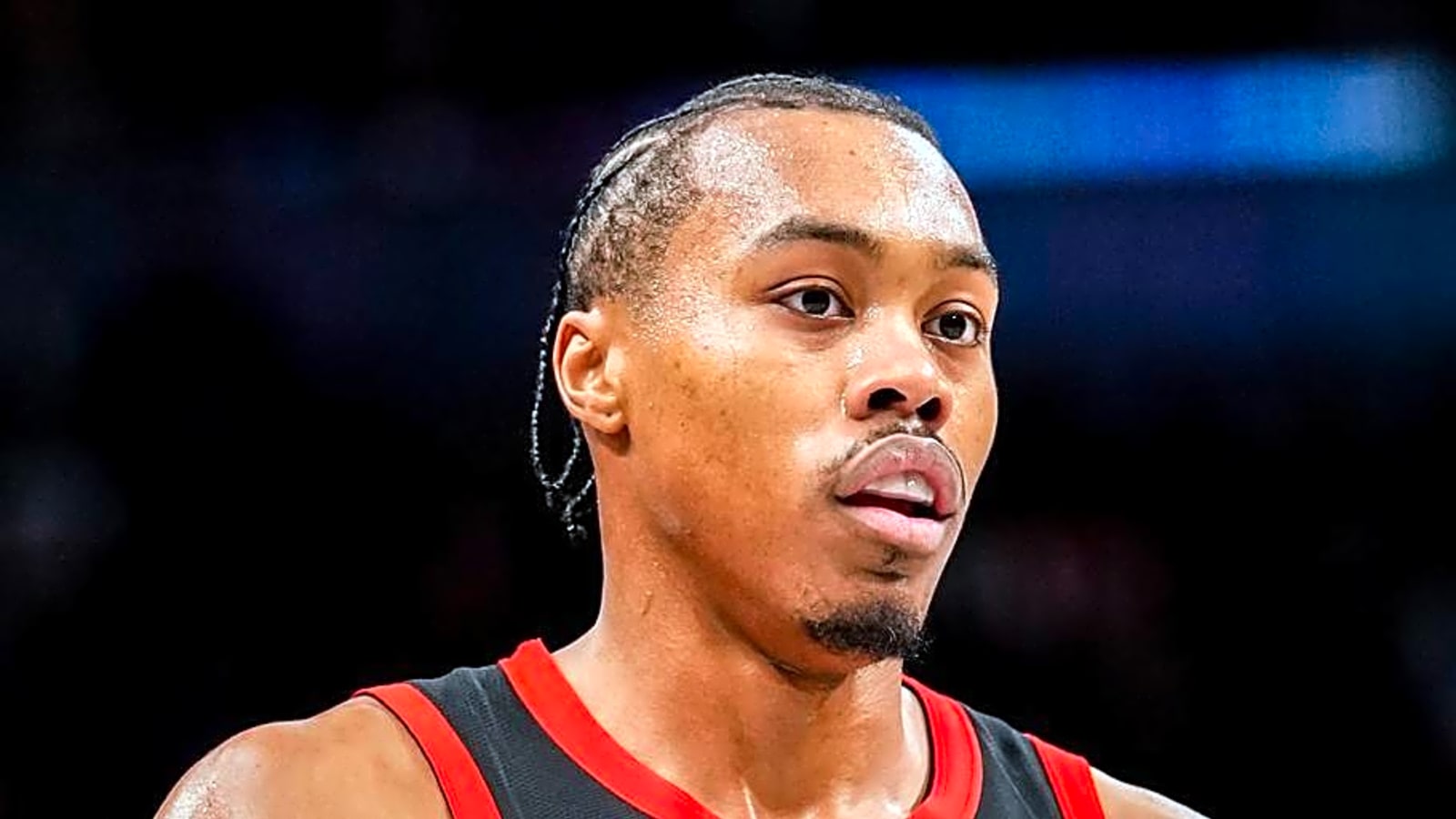
The Toronto Raptors are running out of healthy bodies, and their upcoming matchup with the Detroit Pistons presents another significant challenge for a team struggling to find consistency.
With Collin Murray-Boyles, Kawhi Leonard and RJ Barrett sidelined, Toronto will need contributions from throughout its rotation to compete against one of the Eastern Conference’s most formidable defensive teams.
Detroit has injury concerns of its own, but the Raptors’ depleted roster leaves little margin for error. Can Toronto manufacture enough offense, rediscover its defensive identity and find a way to compete?
Raptors Injuries Continue to Pile Up
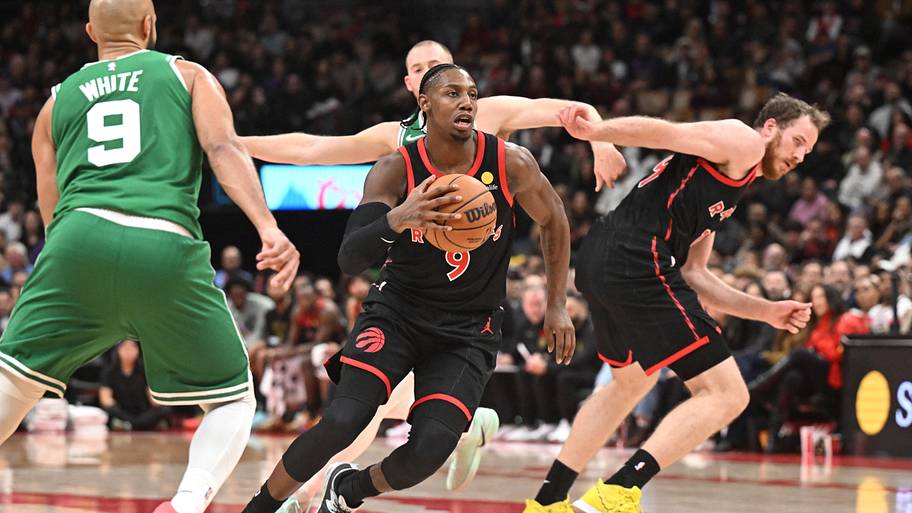
The Raptors’ injury situation has quickly gone from concerning to potentially devastating.
With Murray-Boyles, Leonard and Barrett unavailable, Toronto is missing three players who contribute in dramatically different ways.
Scottie Barnes is expected to play, but with the All-Star still recovering from injury, questions remain about how much Toronto can reasonably ask of him.
The Pistons aren’t entering this matchup completely healthy either. Jalen Duren is unavailable, while Cade Cunningham is listed as probable.
Duren’s absence could provide Toronto with opportunities to attack the interior and compete on the offensive glass, but Detroit’s depth and defensive infrastructure remain significant obstacles.
For the Raptors, simply surviving these injuries won’t be enough. They need to find ways to compensate for what they’re missing, and an All-NBA-level performance from Scottie Barnes is almost a necessity.
Raptors Must Rediscover Their Pace Against Detroit
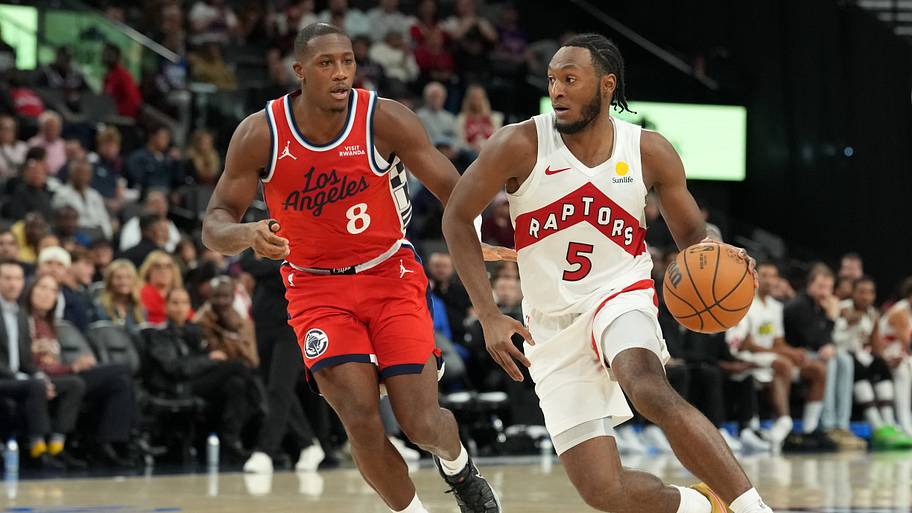
For a team built around defensive pressure, athleticism and transition opportunities, the Raptors have spent far too much time playing at a deliberate pace.
That approach becomes particularly problematic against Detroit.
The Pistons possess one of basketball’s most impressive defensive units, capable of disrupting offensive rhythm, pressuring ball handlers and forcing opponents into uncomfortable possessions. Along with arguably the best perimeter defender in the game in Ausar Thompson.
Toronto cannot afford to spend 15 seconds initiating its offense before attempting to manufacture something against a set Detroit defense.
The Raptors need to dictate tempo rather than react to it.
Without Leonard and Barrett, Toronto lacks the individual shot creation necessary to manufacture efficient offense late in the shot clock consistently.
Quick decisions, aggressive cuts and constant movement must replace isolation possessions and stagnant half-court execution.
If the Raptors allow Detroit to dictate the game’s tempo, their already limited offensive options could disappear quickly.
Which Unsung Heroes Will Step Up for Toronto?
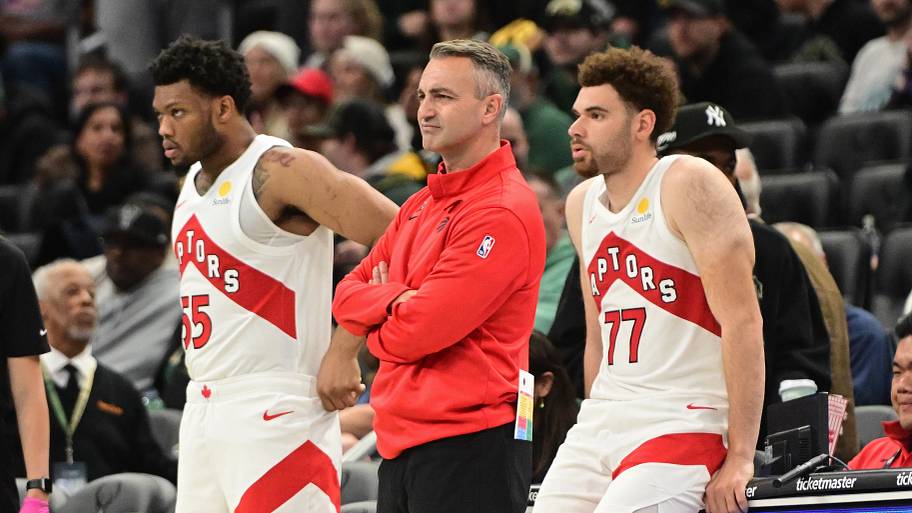
Injuries create opportunities, and the Raptors desperately need someone outside their established core to seize one.
Ja’Kobe Walter, Alijah Martin, Jamal Shead and Jamison Battle all have opportunities to make meaningful contributions, but Toronto needs more than occasional flashes.
Walter’s perimeter shooting and ability to attack defensive closeouts could provide much-needed scoring. Battle’s floor spacing becomes particularly valuable when multiple offensive contributors are unavailable, and Detroit has notoriously excellent rotational defense.
Meanwhile, Shead and Martin can influence the game through defensive intensity, ball pressure and their ability to create transition opportunities.
Neither needs to become a primary scoring option, but both must help establish the aggressive defensive identity Toronto has struggled to maintain consistently.
The frontcourt could also provide an unexpected boost.
Jakob Poeltl has an opportunity to exploit Duren’s absence through screening, offensive rebounding and interior finishing, while Trayce Jackson-Davis could provide energy, physicality and activity around the basket.
Against a defense as talented as Detroit’s, those complementary performances could determine whether the Raptors remain competitive.
Can Toronto Contain Cade Cunningham Without Its Defensive Duo?
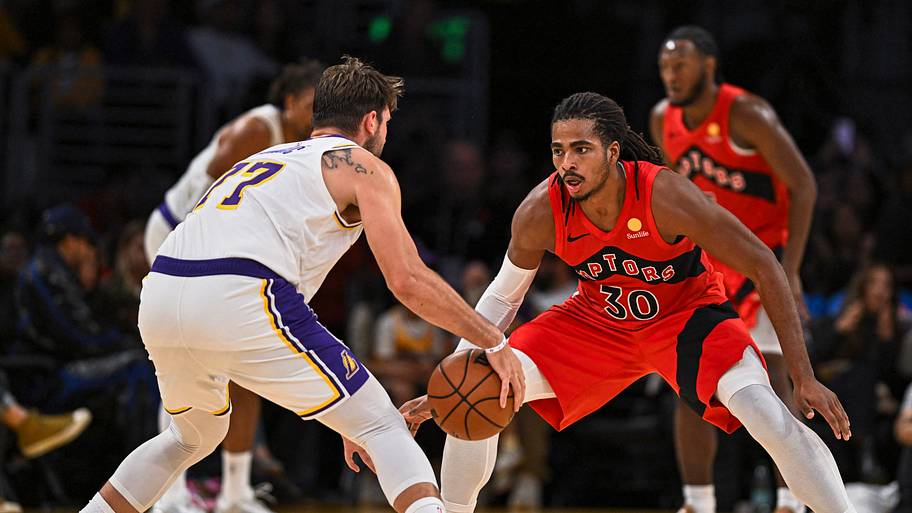
Perhaps the most concerning aspect of Toronto’s injury situation is the inability to deploy Murray-Boyles and Barnes together against Cunningham.
The Raptors’ defensive versatility is at its best when those two share the floor.
Their combination of length, strength, mobility and defensive intelligence allows Toronto to pressure opposing creators while maintaining flexibility behind the initial point of attack.
Without Murray-Boyles, and with Barnes potentially operating below full strength, Toronto loses much of that defensive adaptability.
Cunningham presents a particularly difficult challenge.
The Pistons’ offensive engine combines exceptional size for a lead guard with patience, advanced playmaking instincts and an ability to manipulate defensive coverages.
Toronto cannot simply throw one defender at Cunningham and expect to contain him.
Shead and Martin will need to pressure the ball, while Barnes must help disrupt passing lanes and provide resistance when Cunningham attacks the interior.
The Raptors also need disciplined rotations behind their initial defenders. Overcommitting to Cunningham could create easy opportunities for Detroit’s supporting cast.
Toronto’s best chance is to make every possession uncomfortable, force Cunningham into difficult decisions and prevent him from controlling the game’s rhythm.
The Raptors are undermanned, but they aren’t without options. Their ability to compete will depend on rediscovering their defensive intensity, generating offense through pace and receiving meaningful contributions from unexpected sources.
Against Detroit, anything less could make for a difficult night.
More must-reads:
- Giannis Antetokounmpo had all-time quote after beating Bucks
- Heat scored big off-court win with promotion celebrating 'GTA VI' release
- The 'Active 4K-yard NFL passers' quiz
Breaking News
Trending News



Customize Your Newsletter
 +




Get the latest news and rumors, customized to your favorite sports and teams. Emailed daily. Always free!
PRIVACY POLICY COOKIE POLICY CONTACT US
ABOUT YARDBARKER TERMS OF SERVICE


By using this site, you agree to our Terms of Service and Privacy Policy.
This site is for entertainment purposes only.
There is no gambling offered on this site.
Gambling Problem? Call 1-800-Gambler.