
-

-


Follow Us
-

 On Facebook
 On Flipboard
 On Twitter
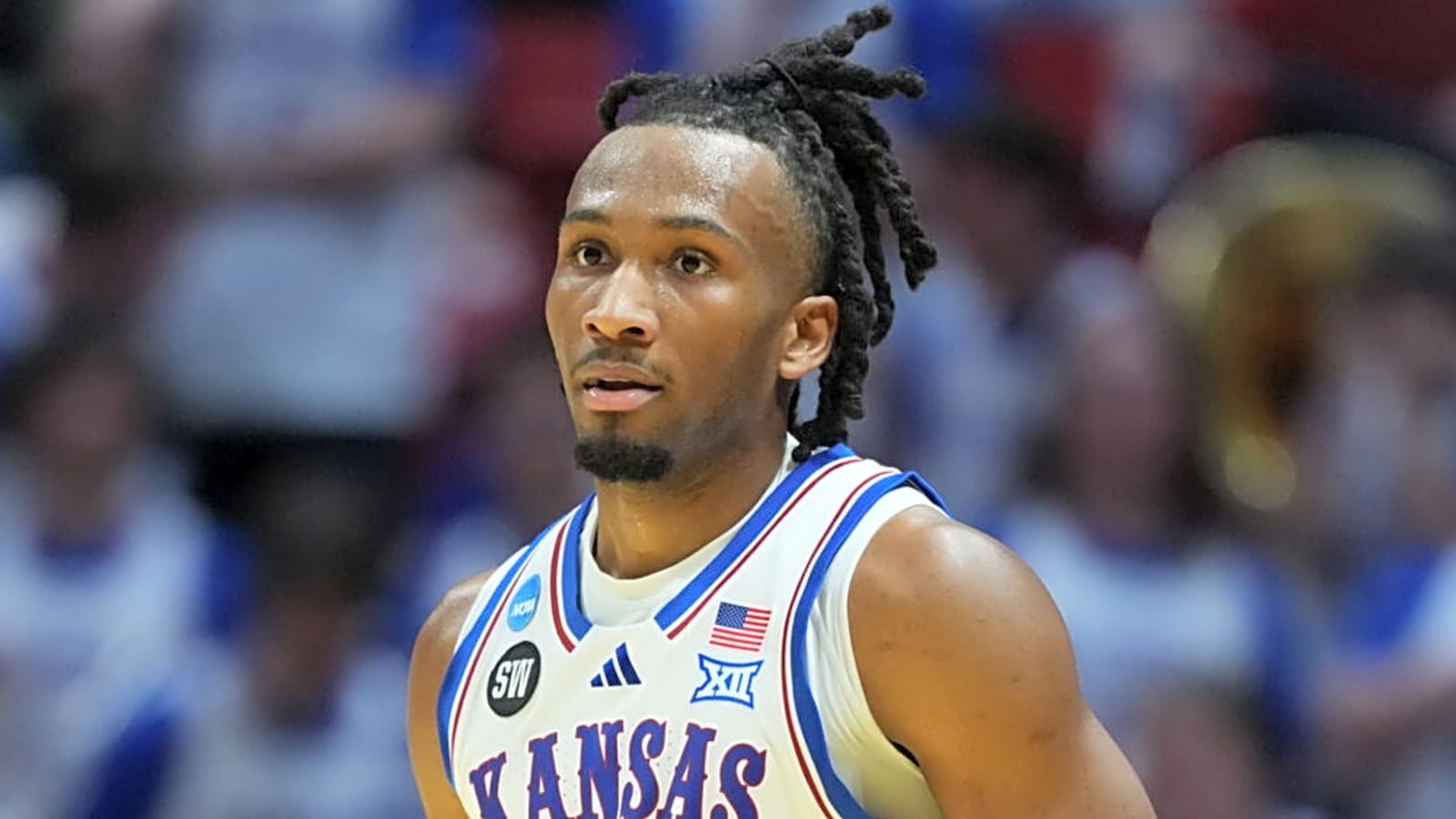
The margin between promise and perception in college basketball can be razor-thin, and Darryn Peterson is currently living in that space.
After Peterson’s traumatic health scare, Kansas’ abrupt exit from March Madness, a 67-65 loss to St. John’s Red Storm, didn’t just end a title run. It shifted the conversation around one of the most gifted scorers in the 2026 draft class.
He finished with 21 points on 5-of-15 shooting, a stat line that, on paper, suggests involvement but not control. And that distinction has started to matter more than ever in draft rooms.
Speaking on ESPN, analyst Seth Greenberg pointed to something harder to quantify but impossible to ignore at the highest level: presence.
“He’s an incredible talent. He’s an incredible prospect. Having said that, in that game, on that stage, against that team, I wanted him to go all Darius Acuff Jr. I wanted him to take over the game. 5 of 15 wasn’t efficient,” Greenberg said.
"The guy is a ridiculous shot-maker… but he doesn't work as hard as he needs to. … That is my concern for Peterson, and that's why I would not take him No. 1."
— Get Up (@GetUpESPN) March 23, 2026
—@SethOnHoops on Darryn Peterson after Kansas' season-ending loss to St. John's pic.twitter.com/RowA3LPP83
However, that critique lands differently because it questions how consistently he imposes it. And that’s where the conversation around the potential No. 1 pick starts to sound concerning.
Across 24 games for the Kansas Jayhawks, the freshman guard averaged 20.2 points, which is also the best on the roster, along with 4.2 rebounds and 1.6 assists. The scoring versatility is obvious. Peterson can create off the dribble, knock down contested jumpers, and operate comfortably at all three levels.
Darryn Peterson Gets Honest About What Went Wrong
For much of the season, Darryn Peterson looked like a player searching for rhythm rather than dictating it. By the time the Kansas Jayhawks saw their March Madness run end in a narrow loss to St. John’s Red Storm, the narrative around the freshman guard had already shifted from pure upside to lingering questions.
Though he also faced harsh criticism for calling out his team, in the immediate aftermath of that defeat, Peterson didn’t deflect. He addressed it directly.
“I was hurt for the majority of it… not hurt, but there was just some mind stuff, I wasn’t really myself until the end of the year,” he admitted.
It was a revealing explanation for a season that never quite settled. While flashes of elite shot-making remained, the consistency, both in availability and impact, never fully followed.
The timing of his admission is crucial as Peterson’s late-season stretch offered a glimpse of what evaluators had projected all along. He played at least 30 minutes in seven of his final nine games and averaged 24.5 points across Kansas’ two tournament appearances, carrying the offensive load when it mattered most.
More must-reads:
- Lakers' Austin Reaves out for remainder of season
- Giannis Antetokounmpo, Bucks split feeling more inevitable after latest feud
- The 'NBA two's leaders by season' quiz
Breaking News
Trending News



Customize Your Newsletter
 +
+




Get the latest news and rumors, customized to your favorite sports and teams. Emailed daily. Always free!
PRIVACY POLICY COOKIE POLICY CONTACT US
ABOUT YARDBARKER TERMS OF SERVICE


By using this site, you agree to our Terms of Service and Privacy Policy.
This site is for entertainment purposes only.
There is no gambling offered on this site.
Gambling Problem? Call 1-800-Gambler.
