
-

-


Follow Us
-

 On Facebook
 On Flipboard

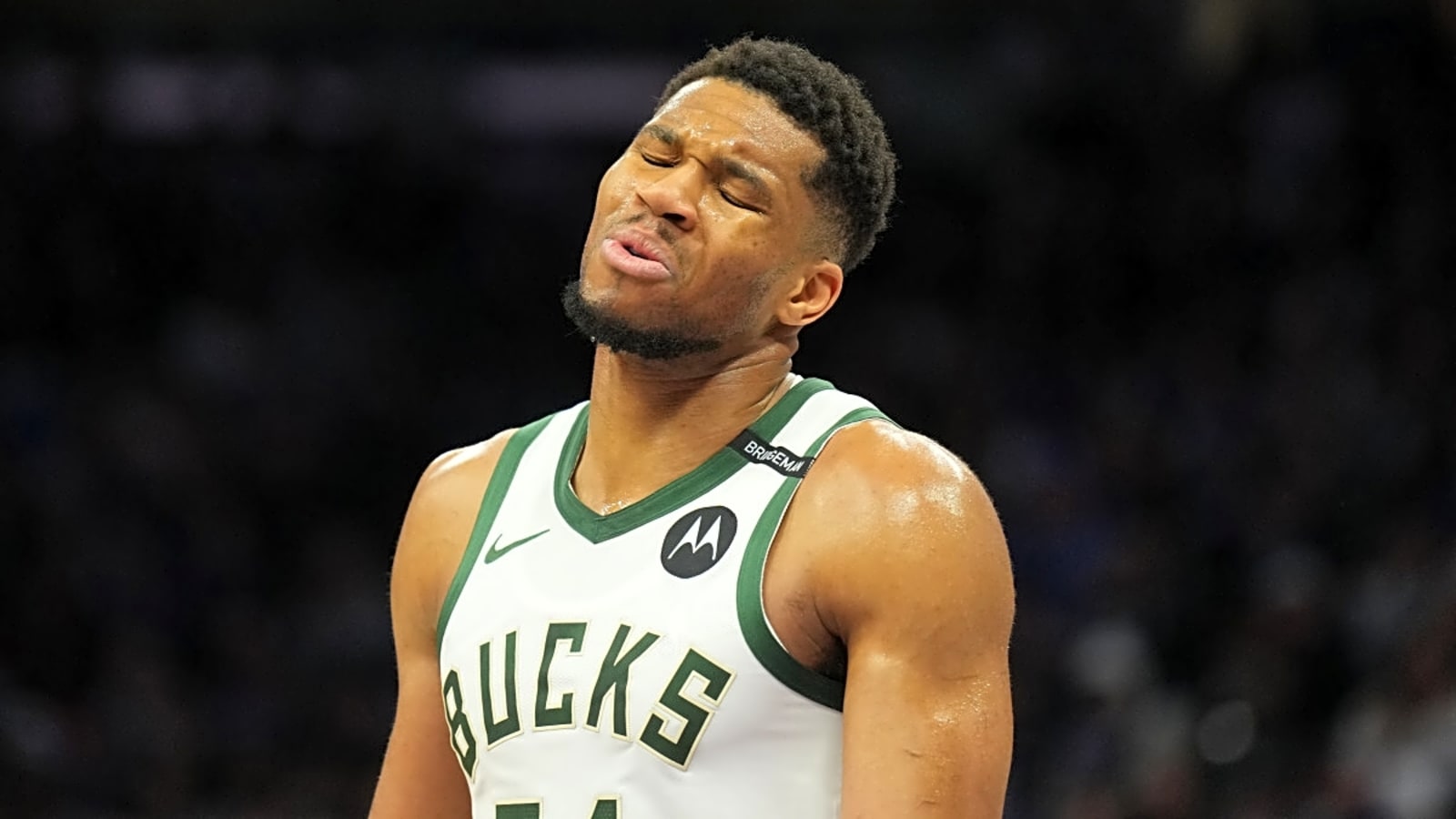
We have reached the point of the NBA season where fantasy managers start lying to themselves.
Not on purpose. It just happens every year around the Feb. 5 trade deadline.
Rumors get louder. Social media gets hotter. Group chats get dumber. And suddenly, people start making roster decisions based on vibes, fear, and narratives that rarely hold up.
This deadline cycle has Giannis Antetokounmpo swirling. Ja Morant getting whispered. Regression candidates flying under the radar. And a whole lot of fantasy managers falling for the same old traps.
Let’s call out the biggest NBA deadline myths that can quietly wreck your season.
Myth No. 1: Every Big Rumor Turns Into a Trade
It feels real. It sounds real. It trends real.
But most blockbuster rumors never cross the finish line.
Yes, Giannis is at the center of a Bucks saga. Yes, Morant is popping up in chatter tied to Miami and Sacramento. That does not mean a trade is guaranteed.
Managers can stash players for weeks waiting on a trade that never happens. Roster spots can get wasted on pure speculation.
Reality: Monitor rumors. Do not build your team around them.
Myth No. 2: If the Deadline Is Quiet, Nothing Changes
Some managers think no fireworks means no fallout.
Wrong.
Even “minor” trades can swing fantasy leagues. Some result in rotation shifts. Others turn bench players into starters. Sometimes usage bumps appear where nobody was looking.
A quiet deadline can still reshape fantasy value. The moves that matter most are often the ones nobody headlines.
Myth No. 3: Hot Streaks Mean Breakouts

This one gets fantasy managers every year.
Trey Murphy scorching? Peyton Watson popping? Feels like the leap is here.
Maybe. Or maybe it is shooting variance, matchup luck, or temporary opportunity.
Fantasy mistakes: Treating heaters like permanent production. Overpaying in trades. Refusing to sell high before regression hits.
Reality: Some runs are real. Many are not. Know the difference.
Myth No. 4: Stars Always Get Better After a Trade
A new team does not automatically equal better fantasy value.
A trade can mean less usage, more mouths to feed, tougher defensive attention, or even load management.
Fantasy mistake: Assuming a star’s numbers will rise just because they landed on a contender.
Reality: Fit matters more than hype.
Myth No. 5: Injured Stars Are Automatic Stashes
This one hurts every season.
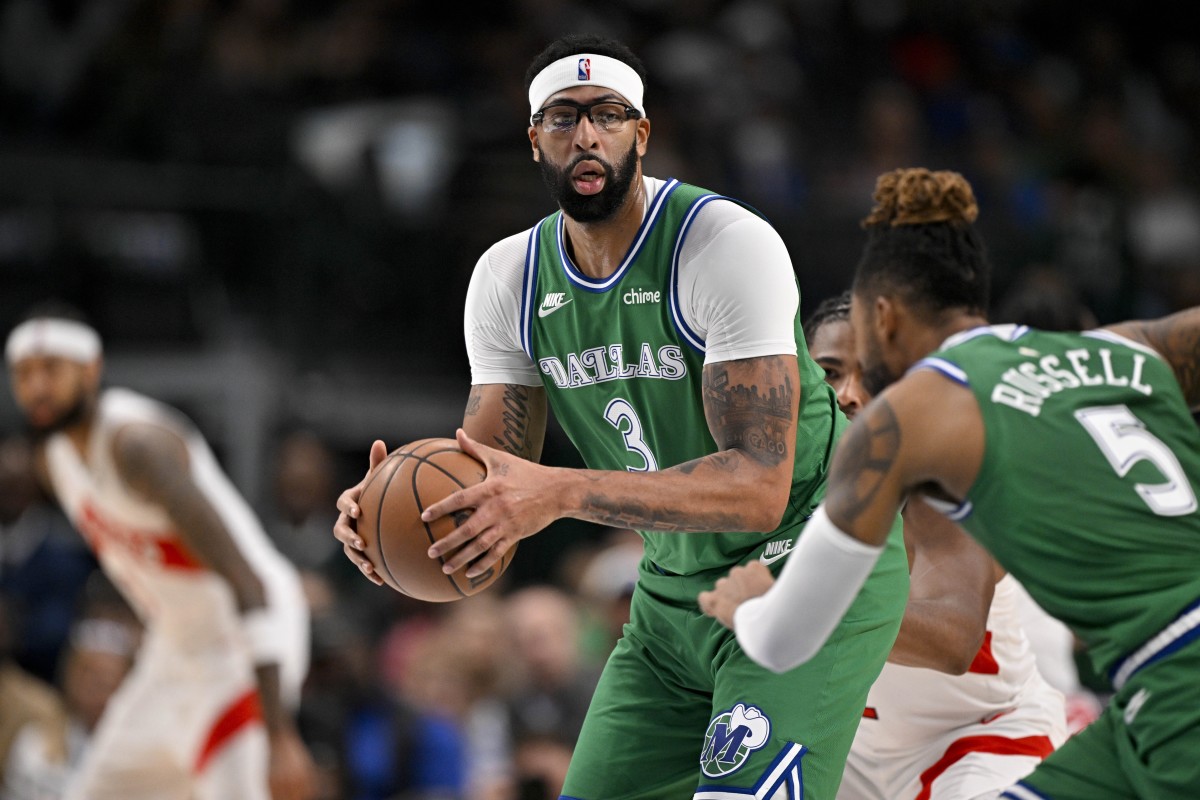
Morant. Giannis. Anthony Davis. Big names. Big uncertainty.
Yes, stashing can pay off. But it can also clog your roster for weeks while you lose ground in the standings.
Fantasy mistake: Holding injured stars too long with no exit plan. Passing on active production for hypothetical upside.
Reality: Availability matters. Dead roster spots lose leagues.
Myth No. 6: Regression Will Not Hit My Guys
Everyone thinks their breakout is immune. It rarely is.
Shooting percentages cool. Minutes fluctuate. Usage shifts. Defenses adjust.
Fantasy mistake: Ignoring regression indicators. Holding peak value too long. Failing to sell high before numbers normalize.
Reality: Regression is undefeated.
Myth No. 7: You Must “Win” the Deadline
You do not need to dominate deadline week. You just need to avoid losing it.
Fantasy mistake: Forcing panic trades. Overreacting to rumors. Dropping reliable players chasing upside.
Reality: Smart patience often beats impulsive aggression.
How to Play the Deadline Without Falling for the Lies
A few rules that actually win leagues:
-- Prioritize minutes, role, and health over rumors.
-- Sell inflated production before it cools.
-- Do not clog your roster with speculative stashes.
-- React quickly, but do not panic.
-- Trust trends, not timelines.
The managers who win at the deadline are not the loudest. They are the calmest.
Summary
The Feb. 5 deadline creates chaos. Chaos creates mistakes. And mistakes cost fantasy seasons.
Not every rumor becomes reality. Not every hot streak is real. Not every trade boosts value. And not every stash is worth the wait.
Ignore the myths. Play the math. Play the minutes. Play the long game.
Because in fantasy, sometimes, the real edge is not believing the hype.
People Also Ask
What are the biggest NBA trade deadline myths for fantasy managers?
The most damaging myths are believing every rumor leads to a trade, assuming a quiet deadline has no fantasy impact, and treating short hot streaks as long-term breakouts.
Will the NBA trade deadline in 2026 be quiet or chaotic?
Even if no blockbuster happens, smaller deals and rotation shifts can still create major fantasy ripple effects across leagues.
Who are common regression candidates before the NBA trade deadline?
Players benefiting from unsustainable shooting, temporary injuries ahead of them, or inflated usage often regress once rotations stabilize.
How do small NBA trades impact fantasy basketball?
Minor trades frequently create the most fantasy value by opening minutes, changing roles, and producing unexpected waiver-wire targets.
Should fantasy managers stash players ahead of the NBA trade deadline?
Stashes only work when the upside clearly outweighs the lost production. Blind speculation often costs more than it returns.
What is the fantasy impact of Ja Morant trade rumors?
A trade could raise his ceiling, but injury risk and uncertainty make him a volatile stash without a clear contingency plan.
More must-reads:
- 17-year-old Spurs fan suffers tragedy during victory celebration
- WCF winners, losers: Victor Wembanyama, SGA rise to the occasion, Chet Holmgren goes missing in Game 7 flop
- The 'NBA Coaches of the Year' quiz
Breaking News
Trending News





Customize Your Newsletter
 +
+




Get the latest news and rumors, customized to your favorite sports and teams. Emailed daily. Always free!
PRIVACY POLICY COOKIE POLICY CONTACT US
ABOUT YARDBARKER TERMS OF SERVICE


By using this site, you agree to our Terms of Service and Privacy Policy.
This site is for entertainment purposes only.
There is no gambling offered on this site.
Gambling Problem? Call 1-800-Gambler.
