
-


Follow Us

 On Facebook
 On Flipboard
 On Twitter
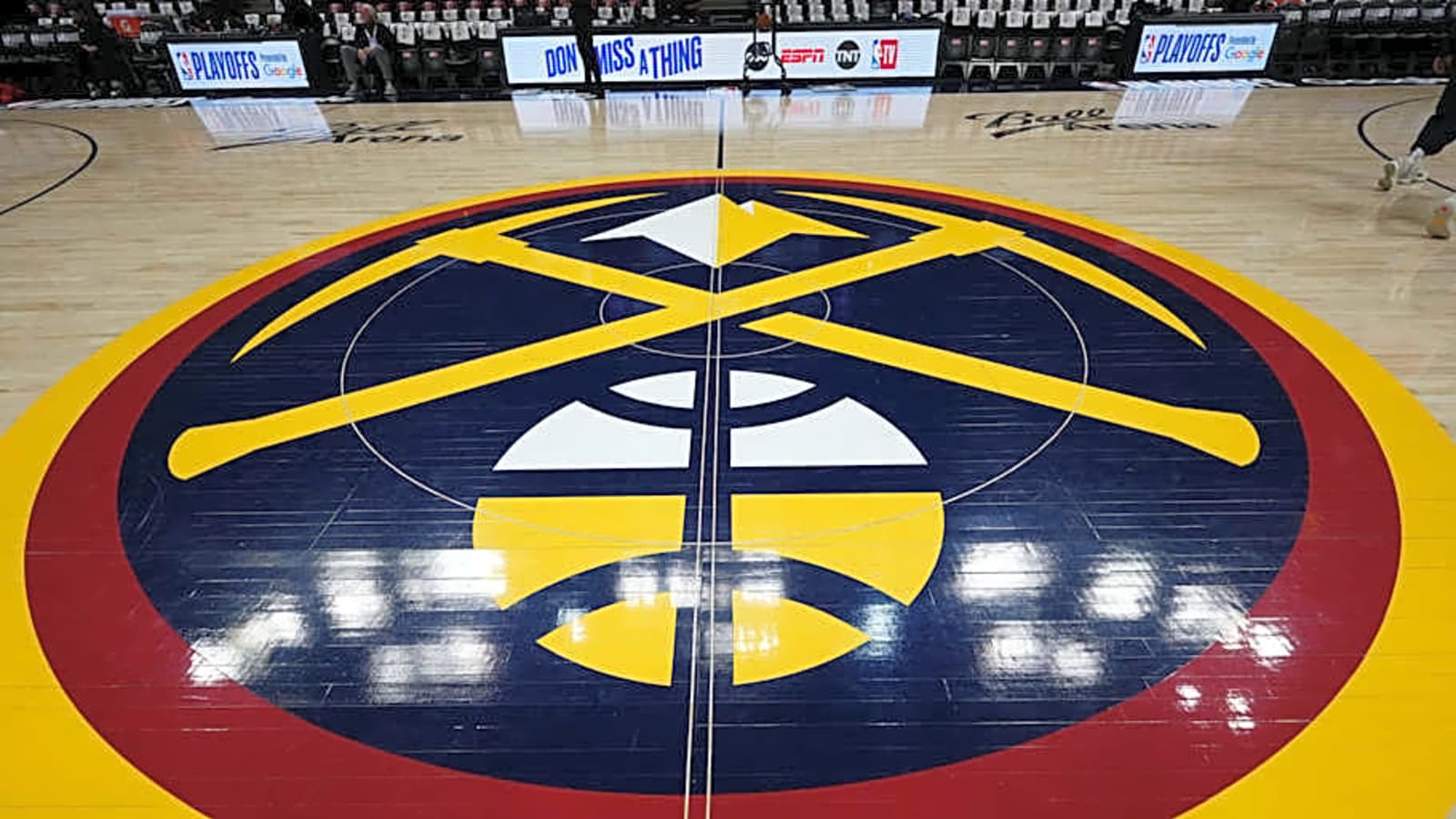
Doug Moe didn’t just coach the Denver Nuggets for nine and a half years, he lit the fuse for the future of the franchise.
Doug Edwin Moe died Tuesday, February 17, 2026, at the age of 87. And if you grew up on Denver basketball—or if you know your NBA history—you know that Doug Moe was one of the league's greatest.
You don’t just remember him as a former coach. You remember him as a whole era—a huge personality, clothed in a rumpled jacket, a sweaty button-down, and loose tie. He also sported a hoarse voice and a basketball philosophy that dared his opponents to keep up.
Known as one of the most authentic personalities in the NBA, Moe will be missed and remembered forever. His emotional obituary may not fit in a box score, but the numbers will still bring tears to your eyes.
NBA World Mourns the Loss of Doug Moe
In 1988, Moe was named NBA Coach of the Year after leading the Nuggets to a 54–28 record. His 432 wins with Denver stood as a franchise record for over 30 years until it was surpassed by Michael Malone on November 23, 2024.
His tenure as the Nuggets’ coach saw his home teams go 432–357 (.548)—a decade of basketball played like somebody turned the volume to 10, hit fast-forward, and snapped the knobs off.
Moe’s “run and gun” offense wasn’t created just for burning calories. He led the Nuggets to nine consecutive playoff appearances from 1981–1990, including a trip to the Western Conference Finals in 1985.
With Moe at the helm, the Nuggets led the NBA in scoring in six different seasons. Under Moe, “run and gun” wasn’t a marketing slogan or a future hashtag, it was a lifestyle—and a problem for opponents.
His Nuggets teams scored an average of 119.7 points per game in his time in the Mile High and Moe was famous for barely running set plays. Just go! Moe didn’t need his offense to look pretty. He just wanted it to arrive first.
Moe’s loudest legacy is perhaps the players and relationships he helped amplify.
Take Alex English, for example. In 1982–83, English led the NBA at 28.4 points per game. During that same season, teammate Kiki VanDeWeghe was right behind him at 26.7—an absurd one-two scoring punch that had Doug Moe’s fingerprints all over it.
English posted that the game lost “one of its most iconic and revolutionary coaches” and that “it was divine intervention that we got to be basketball partners on a 10 year journey.” He credited Moe for giving him the freedom to be expressive and for coaching in a way that has never been replicated.
he gave my game a freedom of movement that was almost https://t.co/hq3ZacxmWV was divine intervention that we got to be basketball partners on a 10 year journey that was exceptional.His offensive coaching technique has not been replicated. My years playing for him were the best
— Alex English (@AlexEnglish_2) February 18, 2026
Bill Hanzlik—nicked-named the “no-hoper” by Moe—spoke to Doug just a couple of weeks before his passing and wrote that it was a “sad day in Denver” and then signed off with the kind of Moe-ism that only his players could imitate: “God bless you BIG STIFF.”
It’s a sad day in Denver. Just learned one of the Absolute Best , Doug Moe has passed away peacefully holding the hand of his wife Jane Moe this morning. God Bless you BIG STIFF from your No Hoper
— Bill Hanzlik (@BillHanzlik) February 17, 2026
Hanz
It wasn’t just the players who loved him. The media adored him as well. He was original. He was outspoken. And he was the Nuggets’ identity.
Moe may not have led the Nuggets to a title but he coached Denver into an identity—a running, gunning display of defiant disregard for boring basketball.
If you’re a Nuggets fan of a certain age, you’re not just mourning a coach. You’re mourning the guy who made you fall in love with the hardwood.
- Nuggets Reportedly Sign Former Hornets Guard
- Nuggets HC Gives Injury Updates on Aaron Gordon, Peyton Watson
- What Spencer Jones' New Deal Means for Nuggets Going Forward
- Nuggets Sign Familiar Face to Rest-of-Season Contract
More must-reads:
- Warriors HC Steve Kerr's latest update on Steph Curry doesn't inspire confidence
- Kyrie Irving speaks out after Mavericks officially end his season
- The 'NBA All-Star MVPs' quiz
Breaking News
Trending News


Customize Your Newsletter
 +
+




Get the latest news and rumors, customized to your favorite sports and teams. Emailed daily. Always free!
PRIVACY POLICY COOKIE POLICY CONTACT US
ABOUT YARDBARKER TERMS OF SERVICE


By using this site, you agree to our Terms of Service and Privacy Policy.
This site is for entertainment purposes only.
There is no gambling offered on this site.
Gambling Problem? Call 1-800-Gambler.
