
-

-


Follow Us
-

 On Facebook
 On Flipboard


Everyone loves sleepers. Everyone loves breakouts. Everyone loves the young guy who might jump two rounds in value.
But fantasy basketball usage collapse is one of those topics managers do not always want to discuss.
Still, winning fantasy leagues is not just about finding the risers. It’s also about avoiding the players whose roles are quietly slipping away.
NBA coaches tell you a lot early during the season. Minutes change. Closing lineups change. Touches dry up. A player who looked safe in August can suddenly look very shaky by November.
Usage does not usually collapse out of nowhere. It starts with one less shift per half. Then fewer designed touches. Then younger players start closing games. Before long, fantasy managers are holding a name instead of actual production.
Players at Highest Risk of Usage Collapse
Early-Season Trust Issues and Red Flags
The first group to watch is veteran scorers on teams with younger options pushing for minutes.
That profile can be dangerous in fantasy. The name still carries weight. The role does not.
Think of players such as CJ McCollum, Klay Thompson, or Tobias Harris. None of them are useless. Far from it. But fantasy managers have to separate reputation from role.
McCollum can still score. Thompson can still hit threes. Harris can still give you steady production in the right situation.
The concern is volume.
If their teams lean harder into younger creators, defensive wings, or more athletic closing groups, the fantasy value can slide quickly. Not because the players forgot how to play. Because their margin for error is thinner.
That is where players at the highest risk become tricky.
A scorer who is not handling the ball as much needs elite efficiency to hold value. A shooter who is not closing games becomes more of a specialist. A veteran forward who loses two or three minutes per night can go from safe starter to replaceable fantasy piece.
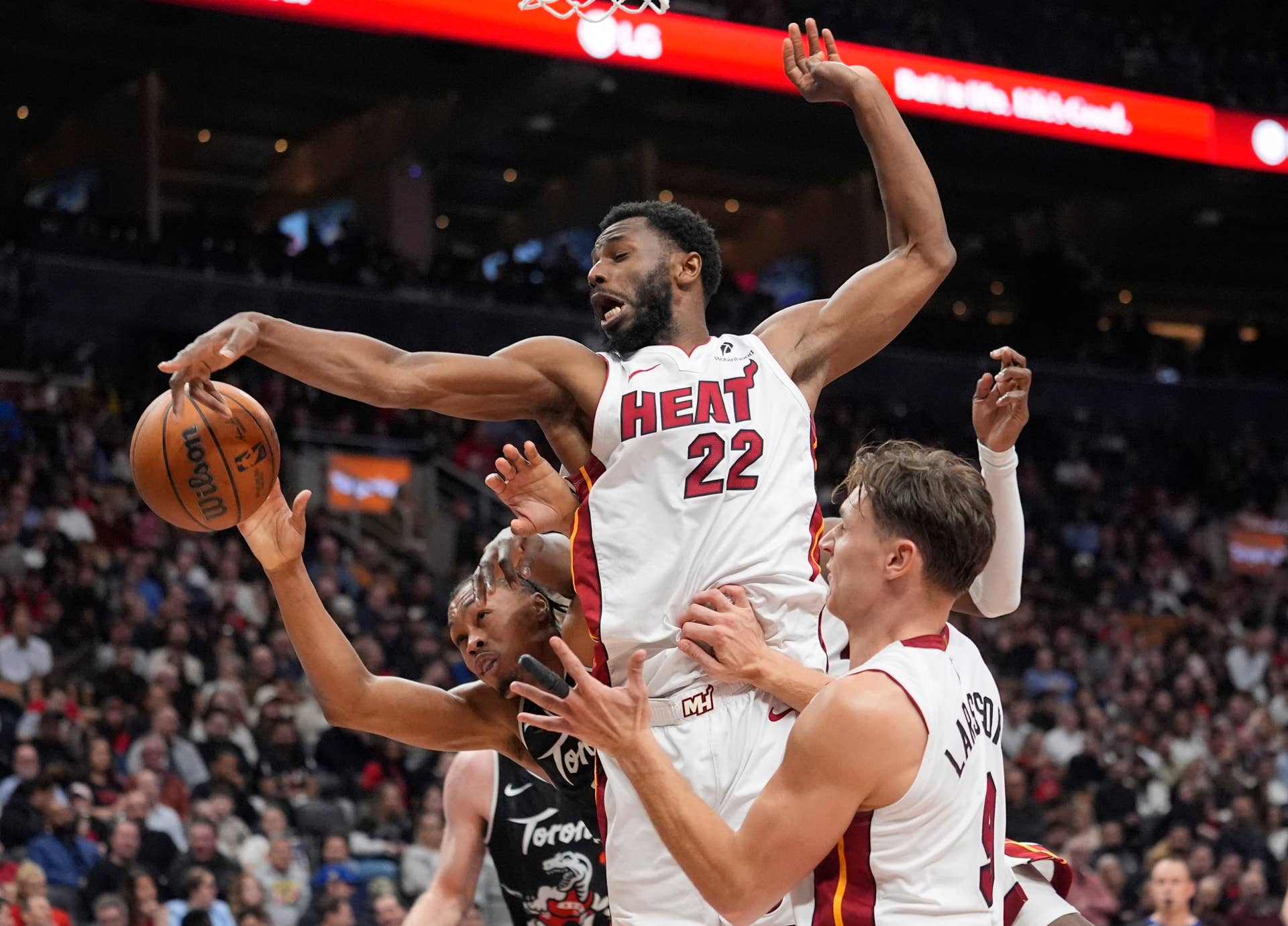
Another name to monitor is Andrew Wiggins.
Wiggins is valuable in real basketball when he defends, runs the floor and fits into the lineup. But in fantasy, the issue is simple. If the scoring is inconsistent and the usage dips, the rest of the profile has to carry him.
Sometimes it does. Sometimes it does not.
Fantasy managers should not panic after one bad week. But they should absolutely notice early trust issues. Reduced fourth-quarter minutes are often louder than anything in the box score.
Underlying Causes of Shrinking Roles
Performance, Defense, and Youth Movement
Usage collapse usually comes from three places: Poor efficiency. Defensive lapses. Younger talent.
That is the whole game.
Coaches will tolerate missed shots from players who defend, move the ball and fit the system. They will tolerate defensive mistakes from players who drive the offense. But if a player is not doing either at a high level, the leash gets short.
That is especially true now. Teams are deeper. Young players are more ready. Front offices want to see what they have.
That creates role shrinkage before managers fully realize it.
For guards, the danger is losing on-ball work. A player can still start and see his fantasy value fall if he becomes more of a spot-up option. Touches matter. Assists matter. Free throws matter. Usage creates rhythm.
For wings, the danger is closing lineup competition. Coaches want size, shooting and defense. If a wing only gives one of those three, he can lose minutes fast.
For big men, the issue is matchup flexibility. If a center cannot defend in space or stay on the floor against smaller lineups, the regular-season box scores can start to wobble.
That is where the youth movement becomes important.
A younger player does not have to be better in every way. He only has to solve one problem the veteran does not. More defensive energy. More pace. More rebounding. More rim pressure.
Once that player earns trust, the rotation changes.
Fantasy managers should watch coach quotes, but they should trust actions more. Who starts the second half? Who closes tight games? Who gets the first sub pattern? Who plays after a mistake?
That tells you more than a polite postgame answer.
Roster Strategy: Sell High, Hold, or Drop?
Actionable Advice for Every League Format
So what do you do with these players?
Start with the obvious. Do not drop a proven veteran after two rough games. That is how you help someone else win your league.
But do not ignore the signs either.
McCollum types are usually sell-high candidates if the points and threes are still showing up. The name value helps. The production looks familiar. But if the assists and usage are slipping, that is your window.
Thompson types are format-dependent. In category leagues, elite threes still matter. In points leagues, he becomes harder to trust if the minutes are volatile. If someone still values the name, you listen.
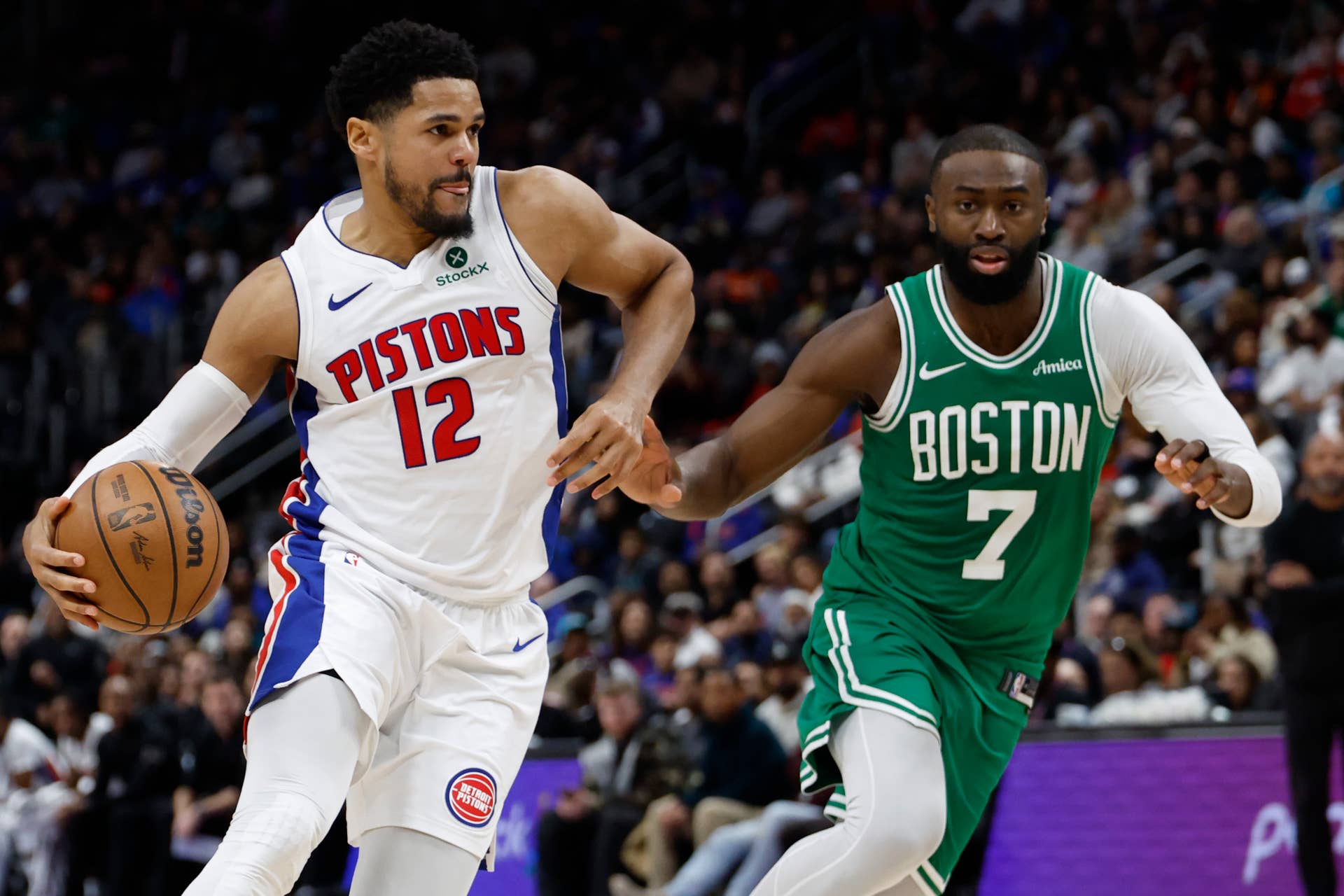
Harris types are holds unless the role clearly drops. He can still help in deeper leagues because he rarely destroys a roster. But the ceiling is not exciting if younger Pistons are taking more usage.
Wiggins types are the hardest. He can look like a top-80 player one week and a waiver-wire headache the next. In shallow leagues, you cannot wait forever. In deeper leagues, you hold if the minutes are still there.
Dynasty managers need to be even more honest.
If a veteran is losing usage and the team has younger players behind him, that is not just a temporary fantasy problem. That can be a long-term value problem.
Points-league managers should move faster. Usage is the engine in that format.
Category managers can be more patient if the player still helps in threes, rebounds, steals, blocks or percentages. But even there, minutes are oxygen. Once they disappear, the value usually follows.
The best roster strategy is not complicated. Watch the role before the box score screams at you. Sell high when the name still carries weight. Hold when the minutes are stable. Drop only when the path back to usage is gone.
The Bottom Line: Keep It Real
Usage collapse is not fun. But it is real.
The 2026-27 fantasy basketball season will expose players losing minutes, players losing coach trust and players being squeezed by younger teammates.
Fantasy managers who act early will avoid holding sunk-cost names for too long.
That is the edge. Do not chase yesterday’s role. Chase tomorrow’s opportunity, because that’s where the value lives.
Questions About Players At Risk of Usage Collapse, Answered
Which players are at risk of usage collapse in 2026-27 fantasy basketball?
The article identifies the biggest minute and role losers with supporting stats.
Why are coaches losing trust in certain players so early?
Poor efficiency, defensive lapses and younger players earning larger roles are the biggest reasons usage starts shrinking early.
Should I sell high on players losing minutes right now?
The guide provides clear sell-high, hold or drop recommendations based on role stability and league format.
How do these trust issues affect different fantasy formats?
Points leagues punish reduced usage more aggressively, while category leagues can still reward specialists in limited roles.
Are these usage collapses likely to be permanent?
Some role reductions are temporary, but long-term declines become more likely when younger players continue earning trust.
What signals should managers watch for coach-trust changes?
Managers should monitor closing lineups, second-half rotations, fourth-quarter minutes and post-mistake playing time.
More must-reads:
- Cavaliers-Knicks ECF preview: Five keys that will decide who advances to NBA Finals
- Knicks get major OG Anunoby update before Game 1 of ECF
- The 'No. 2-scorers by NBA champion' quiz
Breaking News
Trending News





Customize Your Newsletter
 +
+




Get the latest news and rumors, customized to your favorite sports and teams. Emailed daily. Always free!
PRIVACY POLICY COOKIE POLICY CONTACT US
ABOUT YARDBARKER TERMS OF SERVICE


By using this site, you agree to our Terms of Service and Privacy Policy.
This site is for entertainment purposes only.
There is no gambling offered on this site.
Gambling Problem? Call 1-800-Gambler.
