
-

-


Follow Us
-

 On Facebook
 On Flipboard


Fantasy basketball drafts are not just about talent. They’re about timing. Knowing when to take a player matters just as much as knowing who to take. That is where position scarcity comes into play, and in 2026-27, it may be the single biggest edge smart managers can use. Some positions dry up quickly. Others stay deep all the way through the draft. Understanding the difference is how you build a balanced roster without forcing trades or chasing categories later.
Position Scarcity Breakdown for 2026-27
Centers: The Scarcest Position
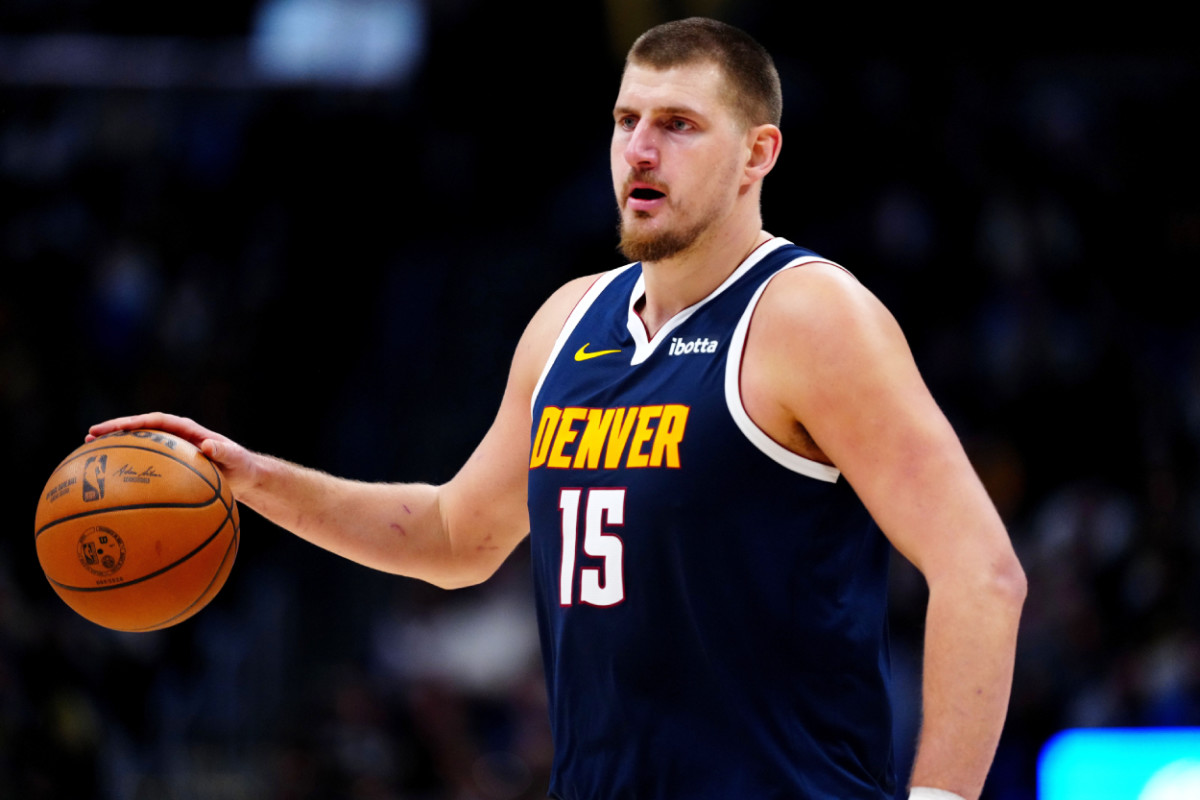
Start here, because this is where drafts are usually decided.
Centers remain the thinnest position in the NBA, and therefore, in fantasy basketball. The elite names are obvious. Victor Wembanyama. Nikola Jokić. A few others who anchor rebounds, blocks and efficiency.
After that, the drop happens quickly.
Reliable big men who can consistently produce in multiple categories are hard to find once the early rounds pass. That becomes even more noticeable in leagues that require two centers. Miss early, and you are playing catch-up all season.
That usually shows up in rebounds and blocks — two categories that are very difficult to fix on the fly. So the strategy is pretty straightforward. Secure at least one high-end big early. If your league leans heavily on center production, consider grabbing a second option before the middle rounds thin out.
Versatile forwards with center eligibility can also help bridge the gap. The goal is simple: Do not leave the early rounds without a plan at center.
Guards: The Deepest Position
Guards are everywhere and that’s no exaggeration. Every draft is filled with players who can score, handle the ball and pile up assists. That depth allows fantasy managers to wait without sacrificing production.
It also creates flexibility. You don’t need to reach for a point guard in the first few rounds unless the value is obvious. Strong options will still be available later. Assists, threes and even steals can be found throughout the middle rounds. That’s what makes this position different.
Instead of forcing a pick early, you can build around other needs and come back to guard later. In many cases, the value ends up being better. This is where drafts start to open up. Managers who stay patient at guard often come away with deeper, more balanced rosters.
Forwards: The Sweet Spot
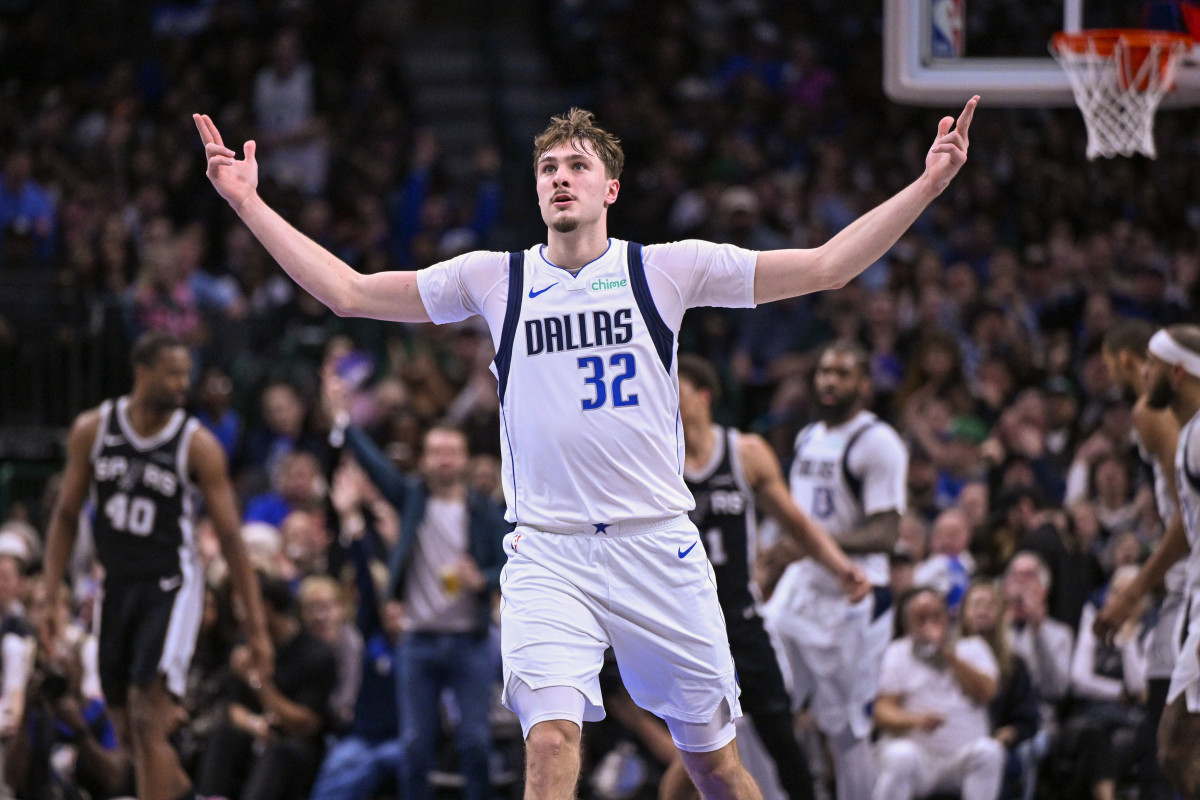
Forwards sit right in the middle. Not as scarce as centers. Not as deep as guards. That balance actually makes them extremely valuable.
Versatile wings can contribute across multiple categories. Points, rebounds, threes, sometimes even assists and defensive stats. That kind of production helps stabilize a roster.
It also reduces risk. You’re not relying on one category. You’re building across the board. Players like this become the glue of a fantasy team. They allow you to adjust later in the draft without forcing decisions.
This is often where the best roster construction happens.
How to Draft Smart Around Basketball Position Scarcity
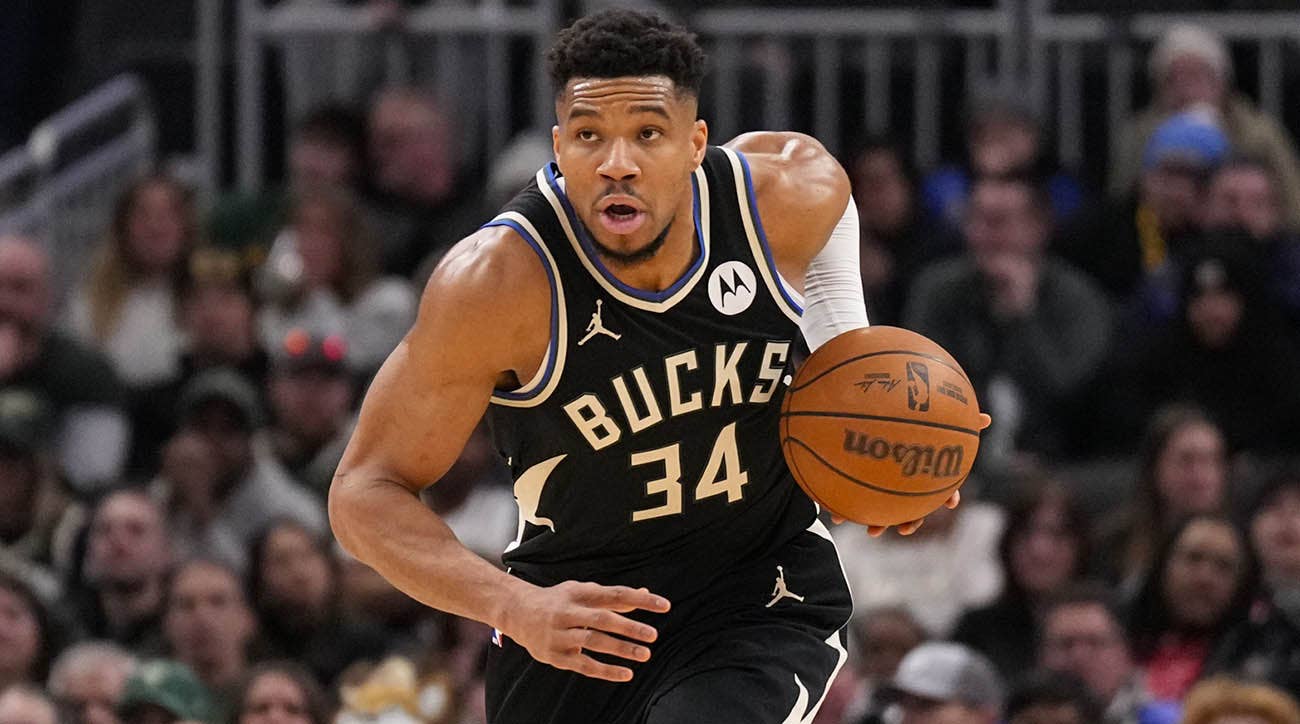
Position scarcity only matters if you use it. The biggest mistake fantasy managers make is reacting to the board instead of planning for it. A better approach is to map it out early.
In other words, start by addressing center. That’s the position most likely to leave you exposed if ignored. From there, shift toward value at forward and wait for the right guard opportunities.
Theoretically, that creates balance. It also keeps you from reaching unnecessarily.
Another factor to monitor is eligibility. Preseason changes can shift how players are classified. A forward who gains center eligibility can suddenly become far more valuable. Those small details often create an edge. Stay aware of them.
Conclusion: Understand The Landscape
Position scarcity is not complicated, but it is easy to overlook. Centers dry up quickly. Guards stay deep. Forwards offer balance in between.
That’s just the landscape. Fantasy managers who understand it can draft with confidence. They avoid panic picks. They avoid roster holes. They build teams that compete across every category.
Basically, winning your league is not just about drafting stars. It is about drafting smart.
People Want To Know How To Draft Smart In Fantasy Basketball
What is position scarcity in fantasy basketball 2026-27?
Centers are the scarcest position, while guards are the deepest.
How does center scarcity affect fantasy basketball drafts?
You must reach early for elite bigs or risk weak rebounding and blocks.
Is guard depth good in fantasy basketball 2026-27?
Yes, strong point guards and shooting guards are plentiful through middle rounds.
When should I draft centers in fantasy basketball?
Rounds 1-3 in two-center leagues to beat scarcity.
How do I build a balanced roster with position scarcity?
Address scarce positions early and load deep positions late.
What changes position scarcity in fantasy basketball 2026-27?
Preseason eligibility shifts and rookie impact like AJ Dybantsa.
More must-reads:
- Kevin Durant fires back at Mat Isbhia’s comments about him
- It's only preseason, but Victor Wembanyama is already doing insane things
- The 'Most WNBA double-doubles' quiz
Breaking News
Trending News




Customize Your Newsletter
 +
+




Get the latest news and rumors, customized to your favorite sports and teams. Emailed daily. Always free!
PRIVACY POLICY COOKIE POLICY CONTACT US
ABOUT YARDBARKER TERMS OF SERVICE


By using this site, you agree to our Terms of Service and Privacy Policy.
This site is for entertainment purposes only.
There is no gambling offered on this site.
Gambling Problem? Call 1-800-Gambler.
