
-


Follow Us

 On Facebook
 On Flipboard
 On Twitter

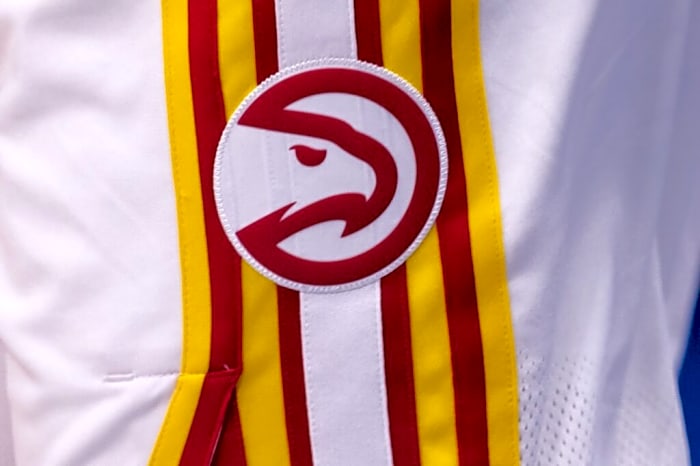
The 2026 NBA Draft is already circling on the calendar as a major inflection point for Atlanta. Depending on lottery luck and how the season plays out, the Hawks could land in a range where one decision changes everything. That is why the Hawks’ draft strategy really boils down to a classic dilemma: do you take the best player available, or draft for positional need?
Hawks 2026 Draft Strategy: Best Player Or Need?
On the surface, “best player available” sounds like the obvious answer. Talent wins in the NBA, and you can never have too much of it. That matters even more in a class expected to be loaded at the top, with names like Darryn Peterson, A.J. Dybantsa, Cameron Boozer, and Caleb Wilson headlining the board. However, this is not a video game. The roster has real gaps. Contract decisions are coming. The timeline is tied to the core they have already invested in. Whatever Atlanta does in 2026 will say a lot about how confident they are in that core and how aggressive they want to be. The Hawks’ draft strategy has to reflect that reality.
Right now, the roster has a mix of established starters, ascending young pieces, and players still trying to carve out long-term roles. Some spots feel crowded. Other areas clearly need help. Any serious Hawks draft plan has to be grounded in a realistic view of what the team will look like by then, not just what it looks like today on paper.
Why “Best Player” And “Need” Both Matter
There is a reason most successful front offices begin from a best player available mindset. Draft picks are long-term assets, not short-term bandages. If Atlanta passes on a clearly superior prospect just to plug a short-term hole, they risk watching a future star break out somewhere else. In a league driven by top-end talent, that mistake can linger for years.
From that angle, the Hawks’ draft strategy should start with a simple question. Which prospect is most likely to become an impact player three to five years from now? That means weighing upside and scalability. It also means asking how a player’s skill set fits a league that keeps trending toward shooting, size, and versatility. A high-level creator, versatile wing, or modern big who can stay on the floor in any matchup will almost always hold value.
That said, best player available does not mean fit is irrelevant. It just means fit becomes a tiebreaker, not the starting point. If two prospects grade out similarly on talent, then positional need, style, and personality can swing the decision. Atlanta can still prioritize length, defensive versatility, and shooting while keeping the board ordered by overall ability.
Drafting strictly off a needs list is where problems usually start. Coaches change. Schemes evolve. Trades happen quickly. A “need” in June can vanish by February. Overreacting to one year’s depth chart can leave the Hawks with a lesser player at a position that no longer matters as much. That is why leaning too hard into need can backfire and why Atlanta’s draft plan has to stay flexible.
Draft Position And Long-Term Timeline
At the same time, completely ignoring context is not smart either. If the team already has multiple young ball-dominant guards, taking another one just because he is slightly higher on the board might create a logjam. That can frustrate development across the group. In that case, looking at a different archetype with similar upside makes more sense. That is where the Hawks’ draft strategy should naturally bend toward need.
Draft position also matters. If Atlanta lands in the high lottery, talent and ceiling should carry the most weight. As the pick slides toward the middle or late lottery, where prospects are closer together in value, positional fit and role start to matter more. Filling a clear hole with a good player can be more impactful than taking a small gamble on another project at a spot that is already stocked.
The bigger picture is the timeline. Are the Hawks entering 2026 as a team coming off playoff success, or still in a deeper retool? A group that has already proven it can win might favor a prospect who can contribute earlier, even if the ceiling is a bit lower. A team still searching for its next star should be more willing to swing for upside, even if that means more development time.
In the end, the Hawks’ draft strategy should be guided by one question. Will this player still matter when the team is ready to seriously compete? If the answer is yes, the exact label of the best player or need matters much less. The 2026 pick will be a statement about how Atlanta sees its future and whether they believe the missing piece is another star, the perfect complementary fit, or a mix of both.
More must-reads:
- Jalen Johnson joins pair of legends by making history in Hawks' win
- Lakers' JJ Redick shares concerning Austin Reaves injury update
- The 'Active NBA PPG leaders' quiz
Breaking News
Trending News






Customize Your Newsletter
 +
+




Get the latest news and rumors, customized to your favorite sports and teams. Emailed daily. Always free!
PRIVACY POLICY EDITORIAL POLICY CONTACT US
ABOUT YARDBARKER TERMS OF SERVICE


Use of this website (including any and all parts and
components) constitutes your acceptance of these
Terms of Service and Privacy Policy.
This site is for entertainment purposes only.
There is no gambling offered on this site.
Gambling Problem? Call 1-800-Gambler.
