
-

-


Follow Us
-

 On Facebook
 On Flipboard
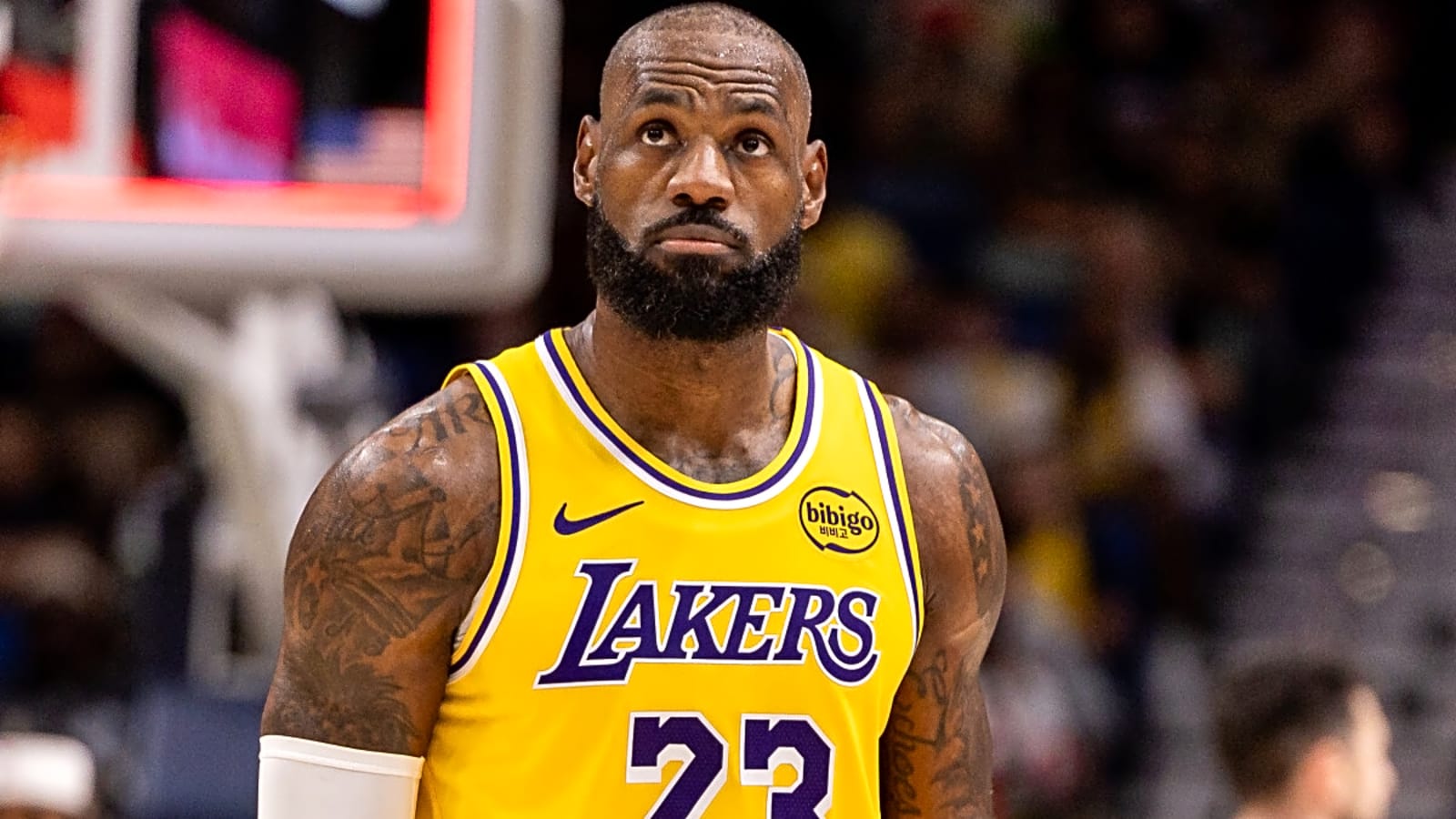
There is no way to sugarcoat it. LeBron James is 41 years old, in Year No. 23, and his numbers are down across the board. In fact, they are the lowest we have seen since his rookie season.
That reality has fantasy managers uneasy. Some are frustrated. Some are already looking to move on. And that is exactly why this has become one of the most interesting buy-low spots of the 2025-26 fantasy season.
LeBron is no longer an automatic top-20 or top-25 fantasy player. But he can still help you win. The key is understanding what he is now and what he is not.
The Lakers Slump and What It Did to LeBron
A Team That Struggled and Took Him With It
The Lakers went through a rough stretch in December and the effects lingered into January. Injuries piled up. Defensive consistency vanished. Close games slipped away.
When the team struggled, LeBron’s fantasy numbers generally followed. Fewer assists as shots stopped falling. Fewer rebounds as minutes were managed more carefully. Lower scoring nights as the offense leaned more heavily on others. For fantasy managers watching box scores, it felt like decline. For those watching games, it looked more like preservation.
Usage Shift and Intentional Pacing
This version of LeBron is not trying to dominate every possession. He is pacing himself. He is choosing spots. He is deferring earlier in games and ramping up later when needed.
That is good basketball. It just does not always translate to elite fantasy totals. The Lakers want him healthy in April, not exhausted in January. Fantasy managers have to accept that tradeoff.
The Numbers in Context
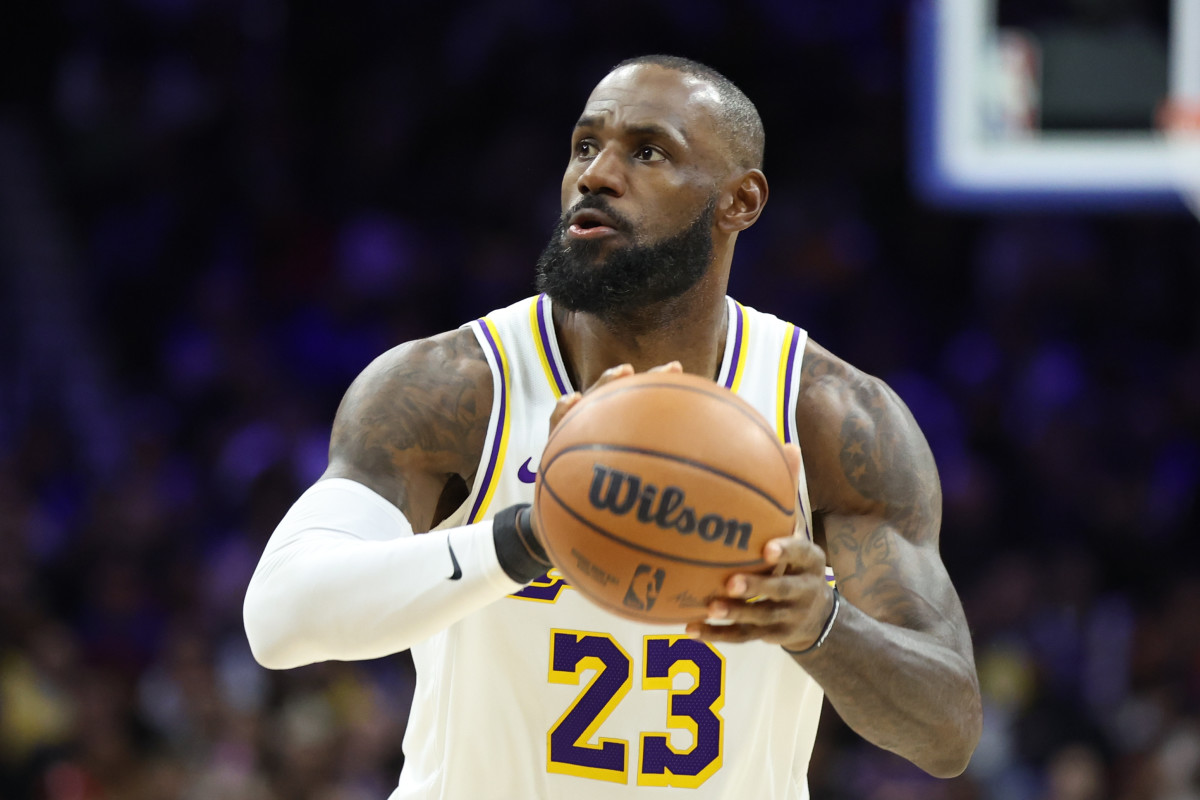
Yes, the raw production is down. Points, assists, rebounds, defensive stats. All of it. But context matters. LeBron is still efficient. He is still heavily involved. He is still capable of posting a triple-double on any given night. What he is no longer doing is carrying fantasy rosters by himself.
Why This Is Still a Buy-Low Window
Frustration Creates Opportunity
Fantasy managers hate uncertainty. Age brings uncertainty. Load management brings uncertainty. So does the idea that the next hamstring tweak is always lurking. That fear depresses value.
LeBron managers who drafted him as a cornerstone are now realizing he is more of a high-end complementary piece. That disappointment opens the door for trade conversations that would have been impossible a year ago.
This Is Not a Collapse
LeBron is not broken. He is not ineffective. He is just human now. When healthy, his per-game impact remains strong. He still scores in the low 20s. He still distributes at a high level. He still rebounds well for a forward. And he still plays heavy minutes when games matter. That is not top-five fantasy production. But it is still extremely useful.
History Says He Adjusts
One thing LeBron has always done well is adapt. When athleticism dipped, skill rose. When usage dipped, efficiency improved. He is doing it again. The second half of the season often brings a subtle uptick as roles stabilize and games carry more weight. That is where buy-low managers can benefit.
Rest-of-Season Outlook
What You Should Expect
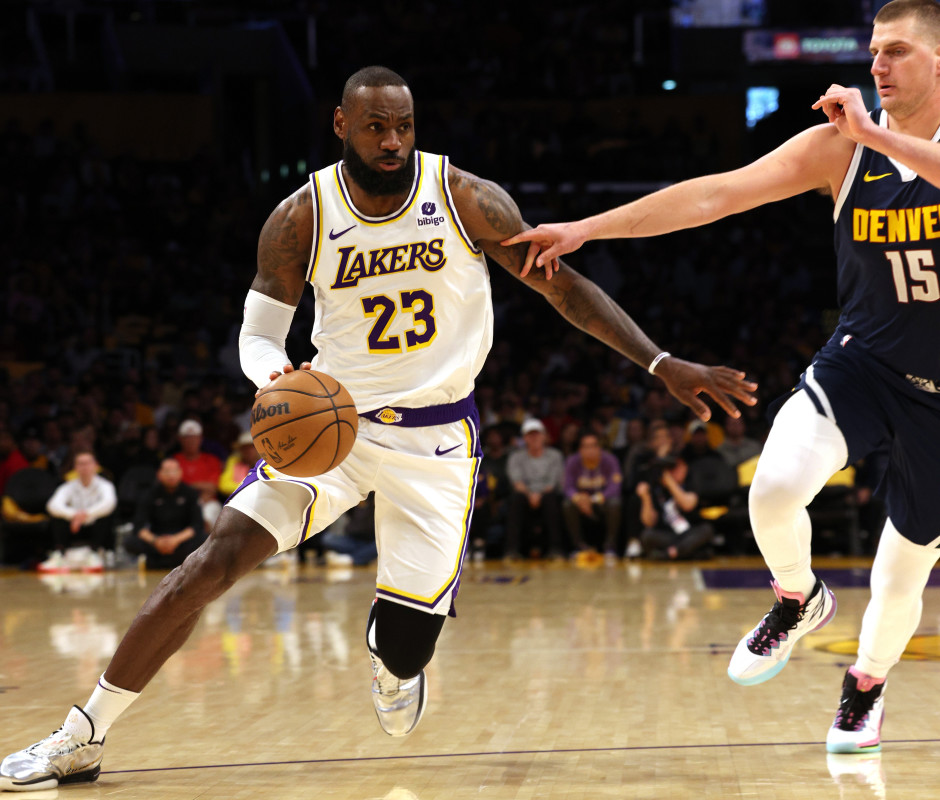
Do not expect vintage LeBron. Expect steady LeBron. Think top-30 fantasy value most weeks. Some weeks closer to top-20. Some weeks where rest or reduced minutes hurt. That range still plays in competitive leagues, especially when paired with younger high-usage stars.
Format Matters
In points leagues, LeBron remains more valuable. His all-around contributions pile up even when he is not scoring at elite levels. In category leagues, the margin is thinner. Fewer steals and blocks mean he no longer dominates multiple categories at once. He fits better as a secondary anchor than a foundation.
Health and Durability
At 41, durability is always part of the conversation. One soft-tissue injury can flip the script quickly. That risk is real. It is also priced in right now.
Buy-Low Trade Strategies
What a Realistic Offer Looks Like
This is not the time to offer scraps. But it is also not the time to overpay. A mid-top-50 player plus a depth piece can be enough in many leagues. The goal is to absorb LeBron’s downside while betting on his floor. You are not chasing upside here. You are buying stability with name-value leverage.
Who Should Target Him
Contending teams benefit most. If you already have scoring and youth, LeBron adds playmaking and experience. Rebuilding fantasy teams should probably pass. This is about maximizing the next two to three months, not long-term ceilings.
League Psychology Matters
Some managers still see LeBron as untouchable. Others are quietly ready to move on. Know your room. Test the waters. The window does not stay open forever.
What Happens If You Pass
If you do nothing, LeBron likely remains what he is now. Solid. Unspectacular. Occasionally brilliant. But if the Lakers stabilize and lean on him more late, his value ticks up just enough that the buy-low window closes. At that point, you are paying full freight for a player who no longer offers full-freight upside.
Summary
LeBron James is not the fantasy cheat code he once was. Time finally caught him. The numbers say so. But even at 41, even in Year No. 23, he remains a productive, intelligent, high-floor fantasy option when used correctly.
This is not about chasing prime LeBron. That player is gone. This is about recognizing when fear has pushed value too far down and taking advantage before reality settles back in. If the price is right, buying low on LeBron still makes sense.
People Also Ask
Is LeBron James still good for fantasy basketball?
Yes. He is no longer elite, but he still offers steady points, assists, and rebounds when healthy.
Is LeBron James a buy-low candidate right now?
Yes. Frustration, age concerns, and load management have depressed his trade value.
What fantasy formats favor LeBron James most?
Points leagues. His all-around stat lines still accumulate value even without peak scoring.
Should rebuilding fantasy teams trade for LeBron?
Probably not. His value is strongest for teams trying to win now, not for long-term upside.
More must-reads:
- 76ers' Andre Drummond turns back the clock in play-in win vs. Magic
- LaMelo Ball apologizes for dirty foul on Bam Adebayo
- The 'Most 25-PPG NBA seasons' quiz
Breaking News
Trending News



Customize Your Newsletter
 +
+




Get the latest news and rumors, customized to your favorite sports and teams. Emailed daily. Always free!
PRIVACY POLICY COOKIE POLICY CONTACT US
ABOUT YARDBARKER TERMS OF SERVICE


By using this site, you agree to our Terms of Service and Privacy Policy.
This site is for entertainment purposes only.
There is no gambling offered on this site.
Gambling Problem? Call 1-800-Gambler.
