
-

-


Follow Us
-

 On Facebook
 On Flipboard
 On Twitter

The Charlotte Hornets take the 5th-most catch-and-shoot threes in the NBA, partly from one set they love to run – the inverted ball screen.
Viewers will often find Kon Knueppel running around the halfcourt relocating for threes, and in that process, Knueppel (and other Hornets guards) will be used as a screener to bend the defenses in more ways than one.
Using the guard as the screener, making the traditional pick-and-roll inverted, opens up some new options for the offense.
While a guard roller is far less likely to be as impactful vertically at the rim, there are other clear benefits.
A guard roller can hit midrange shots like floaters, dumpoff pass to the dunker spot and kickout passes to open shooters, but on top of the playmaking benefits, the biggest benefit is normally the guard's ability to pop for a 3pt shot and the mere threat of them shooting it.
I asked Orlando Magic HC Jamahl Mosley and Charlotte Hornets HC Charles Lee about
— Ryan Kaminski NBA (@beyondtheRK) December 26, 2025
What are the challenges for NBA defenses trying to stop this action?
“The level of communication, knowing who's setting the screen... or if they're… pic.twitter.com/1EPZslOmxi
NBA Coaches say communication is key in stopping inverted ball screens
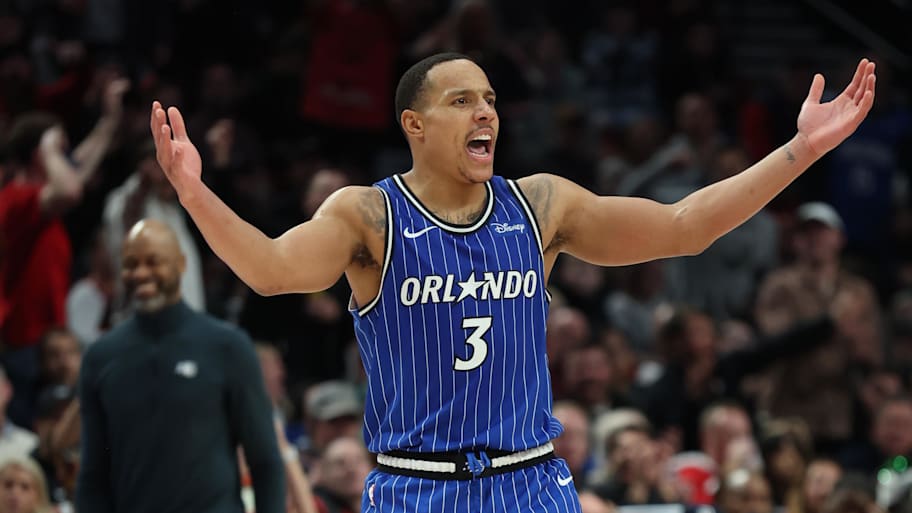
In the modern NBA, refs seem less likely to call moving screens on quick-moving guards who will just as often slip a screen and pop out for a three all in one motion as they do set a screen and roll.
Knowing this subtle advantage exists, is that knowledge leading to more teams running a higher volume of inverted pick-and-pops with their guards? If the refs really are letting guards get away with a little more as moving-screeners, why wouldn't they?
Even without any help from the refs, the play is effective on its own at creating space for the offense and posing challenges for the defense; sending one of the team's best shooters in motion off ball sprinting across the top of they key is a great way to distract and conquer.
With the Hornets in town visiting Orlando tonight, these are two teams that run their fare share of guard-guard and big-guard inverted ball screens.
I asked Orlando Magic Head Coach Jamahl Mosley and Charlotte Hornets Head Coach Charles Lee about inverted ball screens – what are the challenges for NBA defenses trying to stop this action?
The level of communication, knowing who's setting the screen... or if they are slipping out... making sure you are physical early.Jamahl Mosley
I think that (inverted ball screen) set and the 3-man actions just adds confusion...
In that moment of hesitation, there is breakdown in your coverage. Then that allows for downhill penetration, or the big gets behind the other big.
So I think the biggest part that we talk about is not allowing that small to screen our big in that inverted pick-and-roll, but also just communicating, and trying to have this sense of not allowing the ball to get downhill.Charles Lee
More must-reads:
- Clippers' careless gaffe in gut-punch loss to Spurs could come back to haunt them
- Kevin Durant's gaffes lead to Warriors' stunning win in Houston
- The 'NBA 30-point game leaders' quiz
Breaking News
Trending News



Customize Your Newsletter
 +
+




Get the latest news and rumors, customized to your favorite sports and teams. Emailed daily. Always free!
PRIVACY POLICY COOKIE POLICY CONTACT US
ABOUT YARDBARKER TERMS OF SERVICE


By using this site, you agree to our Terms of Service and Privacy Policy.
This site is for entertainment purposes only.
There is no gambling offered on this site.
Gambling Problem? Call 1-800-Gambler.
