
-


Follow Us

 On Facebook
 On Flipboard
 On Twitter
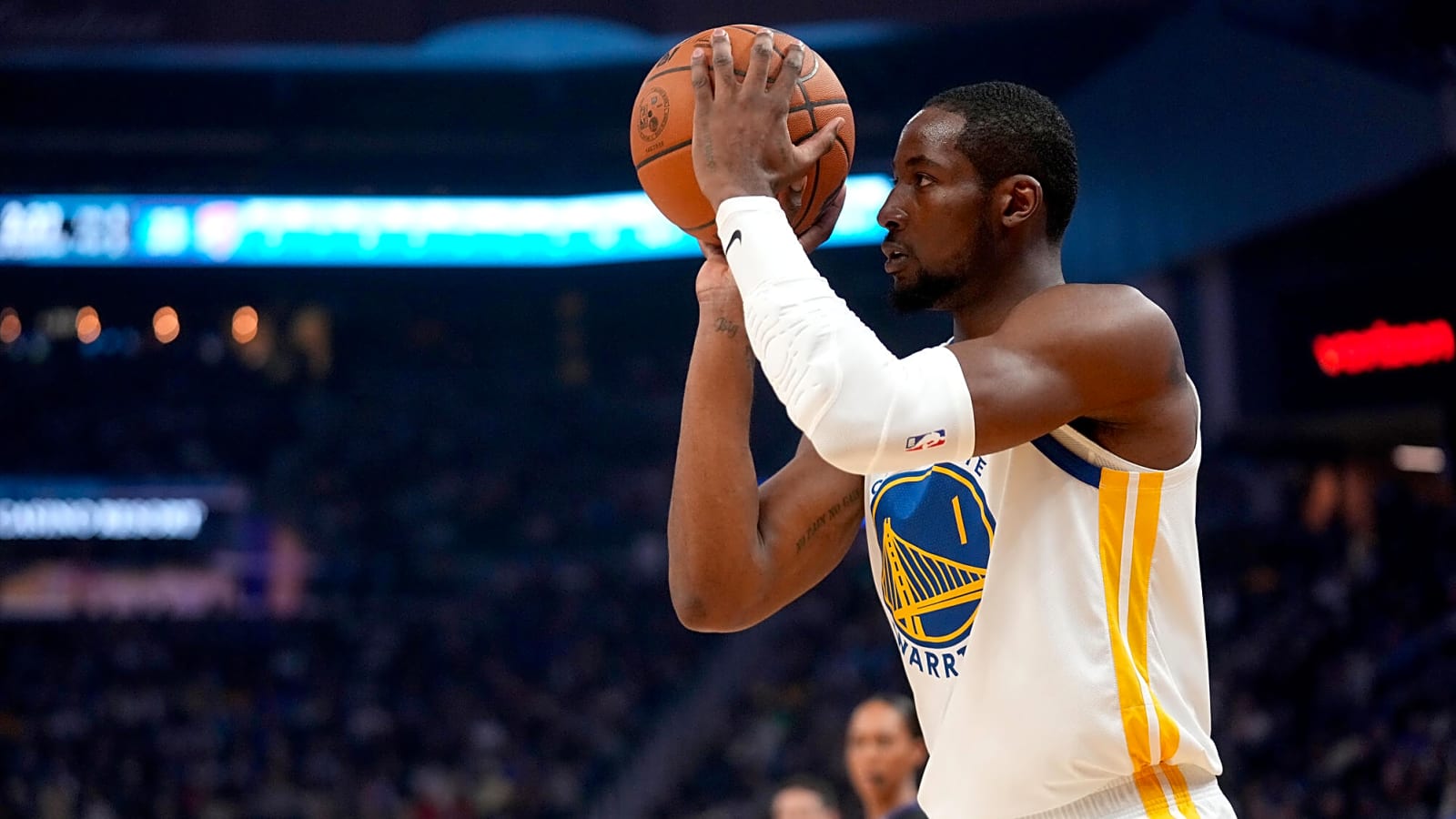
At the start of the 2025/26 campaign, we looked ahead and identified several dates and deadlines to watch on the NBA calendar this season. While that list covered the general highlights, it’s worth taking a closer look at some of those key dates to keep an eye out for in January, which should be a busy month.
Non-guaranteed contracts become guaranteed
January 10 is the date that all non-guaranteed NBA contracts for 2025/26 will officially become guaranteed, but January 7 is really the day to watch.
If a team wants to avoid having a salary become guaranteed, the player must clear waivers before January 10, which means he needs to be cut by January 7 — at the latest.
There are currently 32 players around the NBA who are on non-guaranteed deals. Many of those players without fully guaranteed salaries aren’t in danger of being waived by next Wednesday, but some teams will take the opportunity to save a little money and open up a roster spot.
Players on two-way deals (which are non-guaranteed) are subject to that January 7 waiver deadline as well, and will have their salaries become fully guaranteed if they’re still under contract as of January 8.
Prior to the 2023/24 season, the annual salary guarantee date for players on two-way contracts was January 20, but that changed in the NBA’s latest Collective Bargaining Agreement.
Teams can begin signing players to 10-day contracts
As of January 5, clubs will be able to sign players to standard 10-day contracts, which count against team salary for cap and tax purposes and require an opening on the 15-man roster to complete.
Prior to Jan. 5, teams were able to sign players to 10-day contracts only if they qualified for a hardship exception. Two banged-up teams – Indiana and Memphis – have taken advantage of hardship exceptions so far this season, with the Pacers signing five players to a total of seven hardship 10-day deals, while the Grizzlies signed three players to one apiece.
Rebuilding teams generally use 10-day contracts to audition G League standouts or other prospects to see if they might be worth investing in beyond this season. Contending clubs are more inclined to use 10-day contracts to bring in veterans who can step in right away to address a need or provide depth at a position hit hard by injuries.
Currently, 13 teams have an open spot on their 15-man rosters, making them candidates to sign a player to a 10-day deal. That number will likely increase after next week’s salary guarantee deadline.
More players become trade-eligible
A significant portion of the NBA’s offseason signees became eligible to be traded on December 15, but there are still many players who can’t be dealt. By the end of January, that list of players ineligible to be traded will shrink further, since there are 20 players currently on track to have those restrictions lift between now and January 31.
January 15 is the key date, with 11 players becoming trade-eligible as of that Thursday. That 11-player group includes some standouts who almost certainly aren’t going anywhere, such as Bulls guard Josh Giddey.
However, a handful of players on the list figure to be involved in trade rumors in 2026. Some – including, most notably, Warriors forward Jonathan Kuminga – have already been the subjects of speculation.
Nine other offseason signees have unique trade-eligible dates in January, since they either signed as a free agent in October or inked a veteran extension in July.
That list features names both big (like Devin Booker) and small (such as Keaton Wallace). Of the nine players in that group, Pelicans forward Herbert Jones is perhaps the most intriguing in-season trade candidate, though New Orleans has reportedly set a very high asking price for the defensive ace.
Last day to apply for a disabled player exception
January 15 is the last day that teams can apply for a disabled player exception to replace an injured player who is deemed unlikely to return this season. If a player suffers a season-ending injury on January 16, his team would be ineligible to apply for a DPE.
A disabled player exception gives a club some extra cap flexibility, but not an extra roster spot, so they often go unused. So far this season, the Bulls, Rockets, Pacers, Clippers, and Thunder have reportedly been granted a DPE, while the Bucks and Mavericks have applied for them.
Several teams can fit free agents under their hard caps
As we outlined last month, there are a number teams around the NBA who are currently operating so close to first- or second-apron hard caps that they can’t presently sign a free agent to a minimum-salary contract. That will change for many of those teams at some point in the coming weeks, when the cap hit for a prorated veteran’s minimum deal will get low enough to fit below those clubs’ respective hard caps.
Here are the dates on which the teams right up against hard caps can legally sign a free agent:
- January 6: Dallas Mavericks
- January 7: Los Angeles Clippers
- January 8: Houston Rockets
- January 9: Orlando Magic
- January 18: Los Angeles Lakers
Those clubs are unlikely to sign a free agent to a rest-of-season contract as soon as they’re eligible to do so, since taking that route would leave them would essentially no cap flexibility for the rest of the season unless they make a separate cost-cutting move.
Two more teams right up against hard caps, the Warriors and Knicks, will have to wait until much later in the season to squeeze a free agent addition onto their rosters. That will happen on March 24 for Golden State and on April 2 for New York, though those dates would be subject to change if either team reduces its salary in a trade.
It’s also worth noting that January 26 is the first day that the Thunder can sign a free agent to a prorated minimum-salary deal without surpassing the luxury tax line.
More must-reads:
- Celtics star Derrick White makes unique NBA history in win over Jazz
- Giannis Antetokounmpo needs to be the bad guy if he wants to change teams
- The 'NBA Christmas Day triple-doubles' quiz
Breaking News
Trending News



Customize Your Newsletter
 +
+




Get the latest news and rumors, customized to your favorite sports and teams. Emailed daily. Always free!
PRIVACY POLICY EDITORIAL POLICY CONTACT US
ABOUT YARDBARKER TERMS OF SERVICE


Use of this website (including any and all parts and
components) constitutes your acceptance of these
Terms of Service and Privacy Policy.
This site is for entertainment purposes only.
There is no gambling offered on this site.
Gambling Problem? Call 1-800-Gambler.
