
-

-


Follow Us
-

 On Facebook
 On Flipboard


Not all stats carry equal weight when it comes to building a winning fantasy basketball team. Some look flashy but don’t translate into consistent value, while others quietly drive league success.
This guide breaks down the most overrated and underrated stats, explains why perception doesn’t always match production, and helps beginners focus on what really matters.
The Illusion of Big Numbers: Overrated Stats in Fantasy Basketball
Points Per Game (PPG)
Why it’s overrated: Everyone loves scoring, but fantasy leagues are built to not just reward scoring, but to reward production across the floor. A 25-PPG scorer who contributes little elsewhere may not outscore a player averaging 18-7-6.
A good example is a player like Zach LaVine. Zach may look elite in points, but his lack of defensive stats and average percentages limit his true fantasy value.
So, what should you do? Well, focus on efficiency, i.e., field-goal % and usage rate, to gauge how sustainable that scoring is.
Rebounds Without Context
A Player's rebounding volume may come as a result of his team's strategy or just the general fast-paced style of play of the team rather than superior individual skill. Collecting many boards has little to zero value if the player offers nothing else like assists or defensive stats.
So rather than being carried away by the player’s rebound rate, try to analyze it based on how it matches up and syncs with their overall usage and shooting efficiency. This way, you get to find genuine fantasy value.
Turnovers (Overreacting to Them)
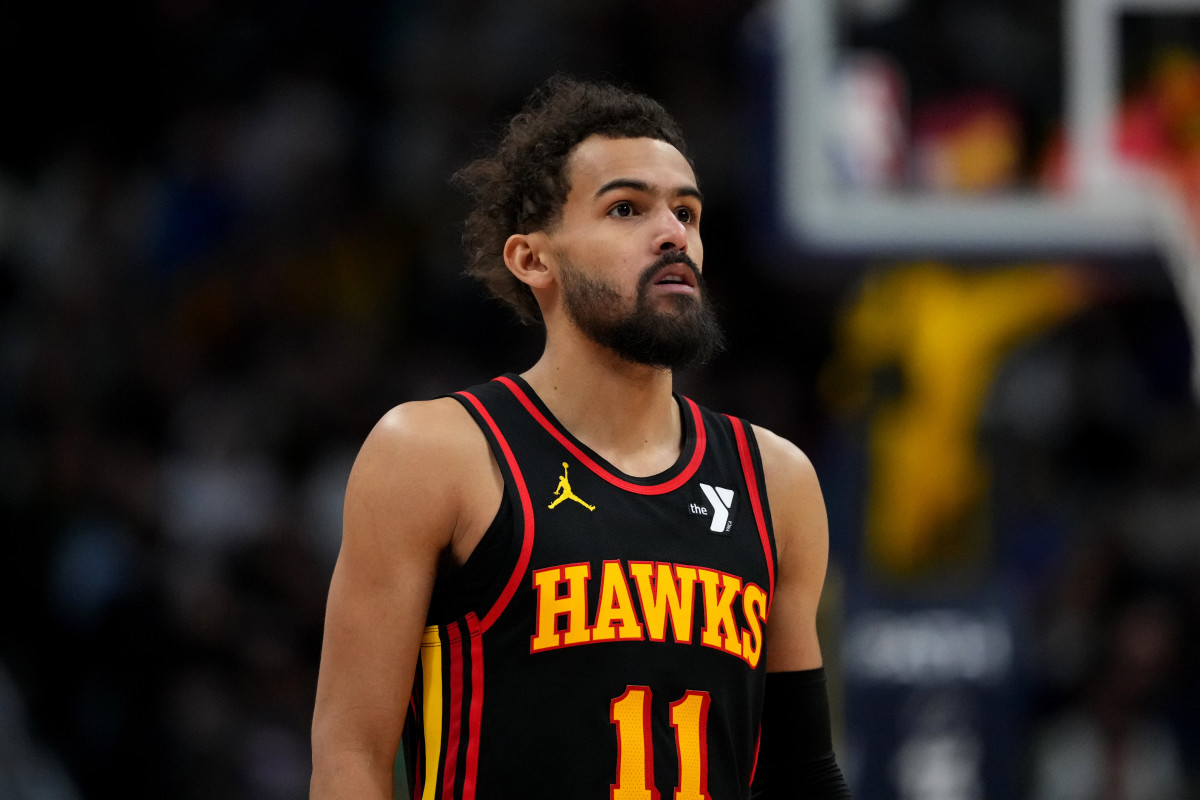
New managers always have the bad habit of panicking about turnovers. In category formats, high-usage stars like Luka Doncic or Trae Young are bound to have more turnovers because they have the ball more than any other player on the team.
What you should do is to make a direct comparison of turnovers relative to usage. A player with four turnovers but elite production in six other areas is one valuable asset you should have on your team.
Double-Doubles / Triple-Doubles
To the untrained eye, these stat-sheet fillers are very impressive both on paper and as highlight reels. However, the truth is that they are largely meaningless in most standard fantasy league scoring systems.
Once you exclude the league bonuses attached to these milestones, you then see that the stats are just a natural byproduct of consistent nightly production.
You should start focusing on tracking dependable weekly consistency across all counting stats, rather than chasing milestone-based outcomes.
Free-Throw Attempts
High volume at the line can do more harm than good if the player shoots poorly.
So to assess the impact of these free throws, place more importance on free-throw percentage on volume (FT Mades × %).
The Hidden Gold: Underrated Stats in Fantasy Basketball
Minutes Per Game (MPG)
Why it’s underrated: Playing time equals opportunity. If a player isn’t on the court, they can’t produce.
Example: A bench player averaging 1.0 fantasy point per minute who suddenly jumps from 20 to 30 minutes instantly becomes a waiver-wire gem.
Pro Tip: Always check team rotations, injury reports, and coaching changes that could increase minutes.
Usage Rate (USG%)
Why it’s underrated: Usage rate tells you how involved a player is when they are on the court. This lets you know what role they play in scoring, assisting, or creating turnovers.
Example: A bench player scoring 10 points may jump to heavy involvement when stars sit. A 25% usage rate can quietly hint that a bigger role is coming.
Pro tip: Look at usage together with shooting efficiency. and you will be able to know which players can be called valuable high-volume producers, as well as those who simply take inefficient shots.

Steals and Blocks (Defensive Stats)
Why it’s underrated: They’re scarce. Only a few players average more than 1.5 steals or more than 1 block per game. These defensive stats have a major influence on head-to-head matchups.
Example: Players like Jaren Jackson Jr. or OG Anunoby are always there to help the team defensively even if they score modestly.
Pro Tip: Target multi-category defenders; their contributions are harder to replace than scoring.
Assist-to-Turnover Ratio
Why it’s underrated: This ratio is a very Important metric that shows the quality of a player's playmaking abilities, and not merely the raw number of assists they provide. Guards who produce assists effectively without turning the ball over, are the ones you should turn to when looking to stabilize your roster.
Pro Tip: In points leagues, players who are efficient ball handlers, like Tyrese Haliburton, tend to outperform projections because they maximize positive actions while reducing or avoiding negative ones.
Field-Goal and Free-Throw Percentage (on Volume)
Why it’s underrated: Shooting percentage only matters when a player takes many shots. High efficiency on high volume helps your team every night, not just in small sample games.
Example:Kevin Durant’s FT% and Jokic’s FG% make them elite even without gaudy totals.
Pro Tip: Track attempts × percentage to calculate true category impact.

Context Is Everything: Combining Stats for Smarter Strategy
Per-Minute and Per-Possession Metrics
To measure productivity effectively, you have to look beyond raw totals. look at rates such as fantasy points per minute or usage per possession.
This is because these stats help you identify efficient and high-upside players who could become valuable waiver wire pickups if given more time.
Pace & Team Trends
A team's playing style, or "pace," significantly influences player statistics. High-pace teams rush more, and this leads to more shot attempts and overall possessions. This also leads to more counting stats like points, rebounds and assists for all players.
Example: Players on fast-paced teams like the Pacers or Thunder often receive a hidden statistical advantage.
Category Interaction
Every category affects another: high rebounds boost FG%, assists affect usage, turnovers offset playmaking. Think systemically, not stat-by-stat.
Beginner’s Quick Checklist
Don’t chase highlight stats, always chase repeatable production.
Always weigh efficiency with volume (FG%, FT%, usage).
Watch trends. Elements such as minutes, pace, and role changes matter more than one-week hot streaks.
Build balanced rosters rather than relying on one inflated category.
Treat defensive stats and efficiency as long-term differentiators.
People Also Ask
What fantasy basketball stats are overrated?
Points per game, raw rebounds, and double-doubles are often overrated because they ignore efficiency, usage, and multi-category impact.
Why do efficiency stats matter in fantasy basketball?
High-volume shooting with strong FG% and FT% boosts categories consistently, while inefficient scoring can hurt your weekly matchups.
Are turnovers bad in fantasy basketball?
Turnovers matter, but high-usage stars often offset them with elite production across multiple categories.
What are the most underrated stats in fantasy basketball?
Minutes per game, usage rate, defensive stats, and assist-to-turnover ratio often signal future breakout value.
More must-reads:
- Darryn Peterson quiets critics in monster Summer League debut
- One team is 'ramping up' efforts to sign LeBron James
- The 'NBA Playoff-3's leaders' quiz
Breaking News
Trending News






Customize Your Newsletter
 +
+




Get the latest news and rumors, customized to your favorite sports and teams. Emailed daily. Always free!
PRIVACY POLICY COOKIE POLICY CONTACT US
ABOUT YARDBARKER TERMS OF SERVICE


By using this site, you agree to our Terms of Service and Privacy Policy.
This site is for entertainment purposes only.
There is no gambling offered on this site.
Gambling Problem? Call 1-800-Gambler.
