
-

-


Follow Us
-

 On Facebook
 On Flipboard

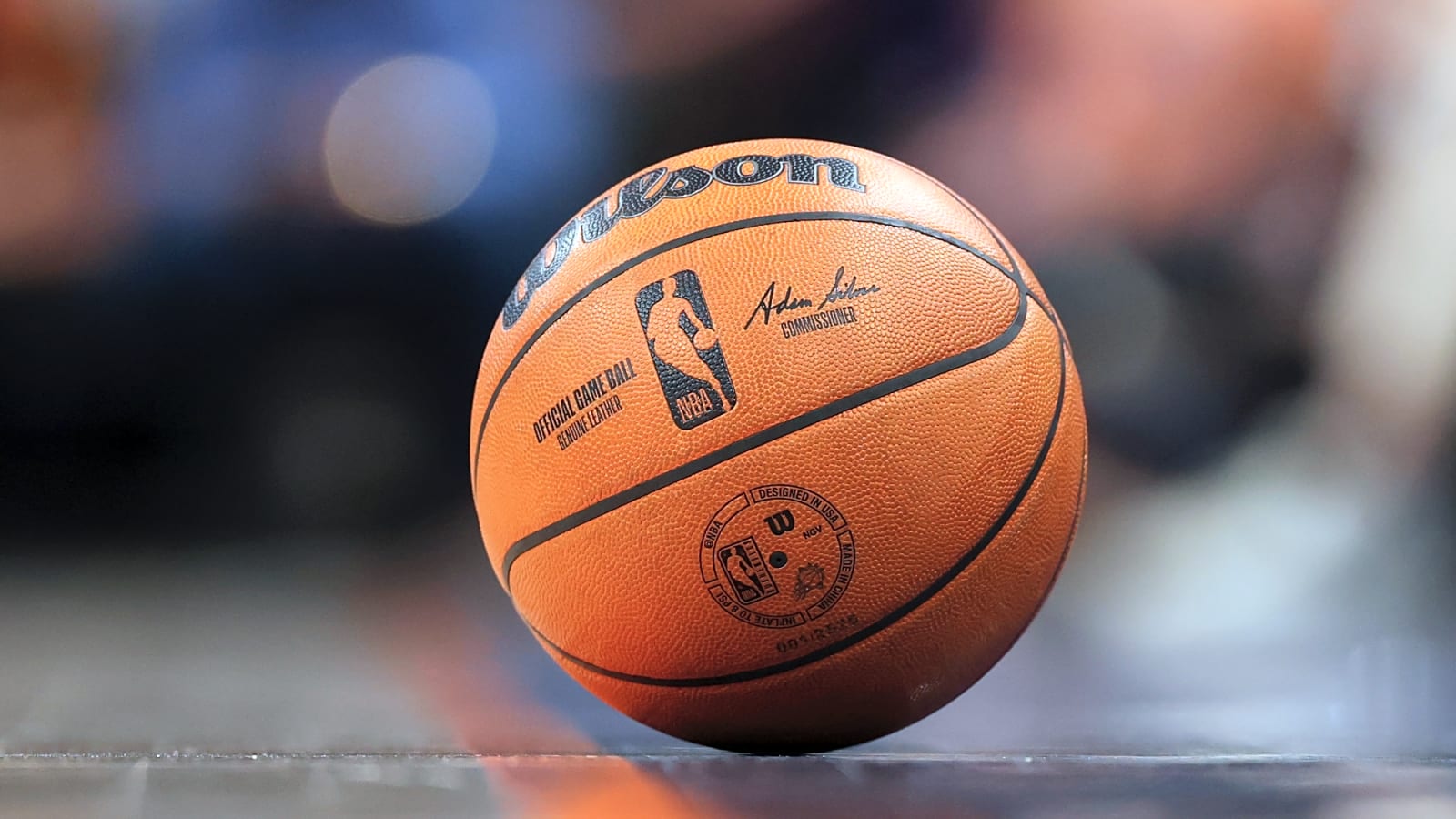
As we first outlined in 2023 when it was introduced as a new addition to the NBA’s Collective Bargaining Agreement, the second-round pick exception allows NBA teams to sign their second-round picks to standard contracts without requiring cap room or another exception (such as the mid-level) to do so.
Like the rookie scale exception, the second-round pick exception isn’t limited to a single use. It can be deployed as many times as needed in a given league year.
The second-round exception can be used to sign a player to either a three-year contract that includes a third-year team option or a four-year contract that features a fourth-year team option.
Teams have made good use of the new exception over the past few years, with just about every second-round pick who gets a standard contracts now being signed using the second-round exception.
The values of the second-round pick exception change every year along with the NBA’s minimum salary scale, so with this year’s second-rounders starting to sign, it’s worth updating the numbers to ensure they’re accurate for 2026/27.
Here are the details for ’26/27:
Three-year deal
- The first year can be worth up to the minimum salary for a player with one year of NBA experience.
- The second and third years are worth the second- and third-year minimum salaries for a rookie.
- The third year is a team option.
As our chart of minimum salaries shows, in 2026/27, the maximum three-year salary for a contract with this structure would be just shy of $7.2MM. Here’s the year-by-year breakdown (option year in italics):
| Year | Salary |
|---|---|
| 2026/27 | $2,185,116 |
| 2027/28 | $2,294,370 |
| 2028/29 | $2,694,363 |
| Total | $7,173,849 |
While the second- and third-year salaries will remain static in any three-year contract signed using the second-round exception, the first season can be as low as the rookie minimum ($1,357,763). A three-year deal that starts at that minimum amount would be worth a total of $6,346,496.
Four-year deal
- The first year can be worth up to the minimum salary for a player with two years of NBA experience.
- The second year can be worth up to the second-year minimum salary for a player with one year of experience.
- The third and fourth years are worth the third- and fourth-year minimum salaries for a rookie.
- The fourth year is a team option.
In 2026/27, the maximum four-year salary for a contract with this structure would be nearly $10MM. Here’s what it looks like from year to year (option year in italics):
| Year | Salary |
|---|---|
| 2026/27 | $2,449,421 |
| 2027/28 | $2,571,895 |
| 2028/29 | $2,694,363 |
| 2029/30 | $2,918,152 |
| Total | $10,633,831 |
As with the first year of the three-year deal, the first two seasons of the four-year contract don’t necessarily have to start this high. They could be as low as $1,357,763 for year one and $2,294,370 for year two, for a four-year total of $9,264,648. A pair of second-round picks have already signed contracts believed to be worth that amount.
In any deal that uses this four-year contract structure, the salary increase between the first and second season can’t exceed 5% if the second season is above the minimum. For instance, a team wouldn’t be permitted to negotiate a contract that starts at the rookie minimum ($1,357,763) and jumps to $2,400,000 in year two, even though that second-year salary comes in below the maximum allowed.
Players who are signed using the second-round pick exception don’t count against a team’s cap between July 1 and July 30 of their first season.
That rule allows teams to preserve all the cap room they need until July 31 without having to worry about their second-rounders cutting into it, as well as positioning those players to sign their first NBA contracts before taking part in Summer League games.
More must-reads:
- Report: LeBron James sweepstakes are down to two teams
- Jayson Tatum must show Celtics made right choice in picking him over Jaylen Brown
- The '2018-19 PPG leaders by team' quiz
Breaking News
Trending News



Customize Your Newsletter
 +
+




Get the latest news and rumors, customized to your favorite sports and teams. Emailed daily. Always free!
PRIVACY POLICY COOKIE POLICY CONTACT US
ABOUT YARDBARKER TERMS OF SERVICE


By using this site, you agree to our Terms of Service and Privacy Policy.
This site is for entertainment purposes only.
There is no gambling offered on this site.
Gambling Problem? Call 1-800-Gambler.
