
-

-


Follow Us
-

 On Facebook
 On Flipboard
 On Twitter
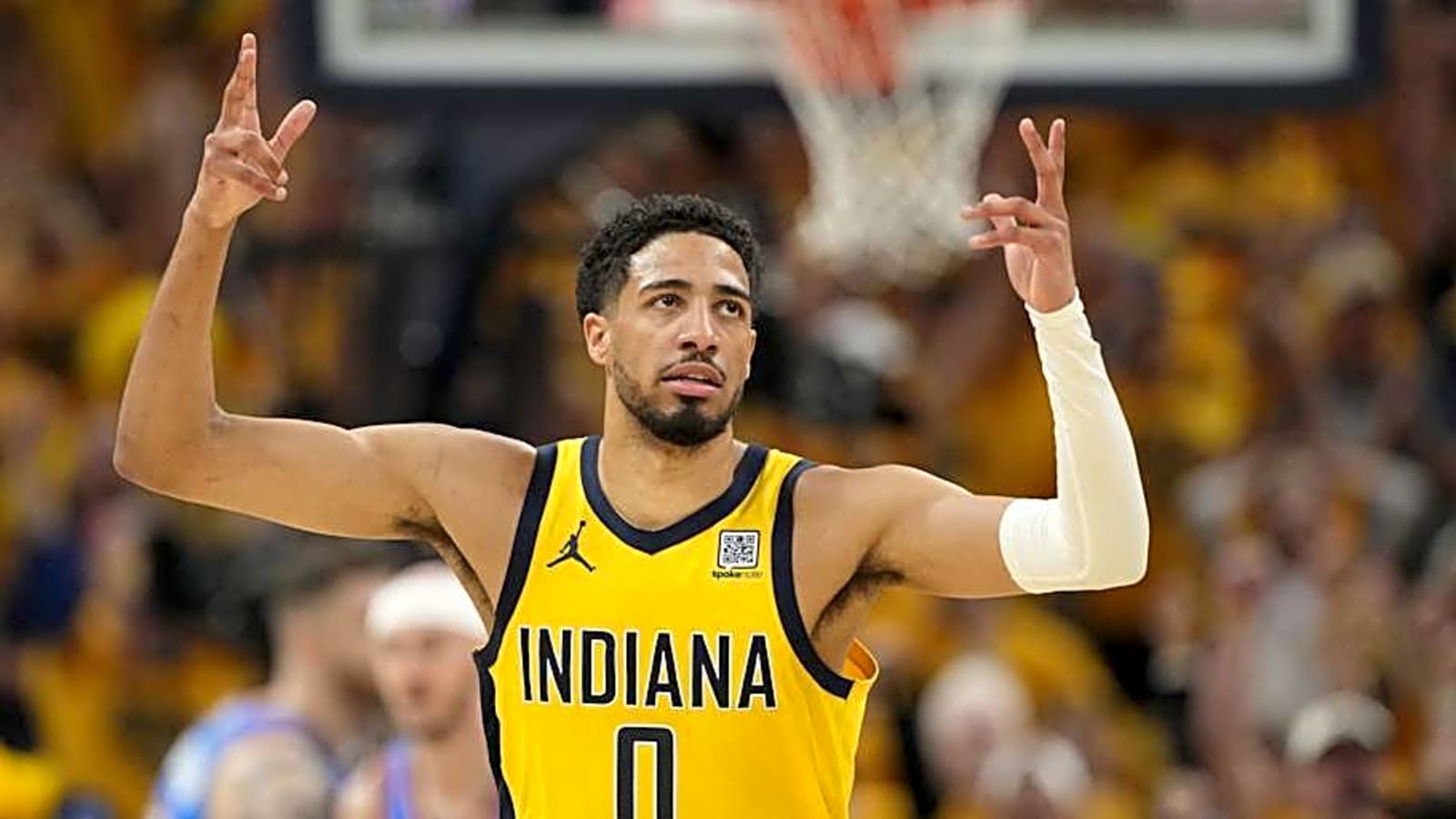
The 2028 Summer Olympics in Los Angeles will mark a transition point for USA Basketball. After winning gold in Paris in 2024 behind a veteran-heavy roster, Team USA will likely look different four years later. The international field continues to improve, and the margin for error in FIBA competition remains slim. Continuity and clarity of roles will matter as much as talent.
In a recent projection, ESPN’s Zach Kram listed the following 12 players as potential members of the 2028 Olympic team: Amen Thompson, Anthony Edwards, Bam Adebayo, Cade Cunningham, Chet Holmgren, Cooper Flagg, Jalen Duren, Jalen Williams, Jayson Tatum, Kon Knueppel, Scottie Barnes, and Tyrese Haliburton.
Of those 12, only Edwards, Adebayo, Tatum, and Haliburton were part of the 2024 gold-medal team. The other eight would be making their Olympic debuts. That generational shift is significant. So is the absence of Devin Booker, who is the same age as Adebayo and played a meaningful role for Team USA in prior competitions.
ESPN predicts Team USA’s 2028 Olympic basketball roster:
— NBACentral (@TheDunkCentral) February 24, 2026
Cooper Flagg
Kon Knueppel
Jalen Duren
Amen Thompson
Scottie Barnes
Cade Cunningham
Anthony Edwards
Chet Holmgren
Jalen Williams
Tyrese Haliburton
Bam Adebayo
Jayson Tatum
The projection underscores a larger point: the 2028 roster, if it resembles that group, would need a stabilizing presence in the backcourt.
Haliburton is well positioned to fill that role.
In 2024, he was one of the younger players on the roster, operating in a limited role while learning from established stars. By 2028, he would no longer be the emerging guard trying to find his footing internationally. He would be one of the few players with prior Olympic experience, and potentially the primary organizer on a team loaded with scoring talent.
Haliburton’s value in that setting would not simply be about production. It would be about structure.
He is one of the league’s most gifted playmakers in terms of vision and decision-making. His ability to process coverages quickly, deliver passes on time and on target, and balance tempo makes him an ideal fit in FIBA competition, where spacing is tighter and halfcourt execution often determines outcomes. On a roster that could feature Edwards’ shot creation, Tatum’s versatility, Flagg’s two-way impact, and Adebayo’s defensive range, Haliburton’s role would be to enhance the group.
That does not mean he is the best overall player on the team, but that his role on the team might be the most important for the team to reach its' ceiling.
If I were to construct a rotation from Kram’s projected roster, there is a strong case to start Haliburton alongside Edwards, Tatum, Flagg, and Adebayo. That group provides balance across positions and a blend of experience and upside. Edwards has already handled major international minutes. Tatum enhances both sides of the court. Adebayo anchors the defense, and Flagg’s versatility could translate immediately.
Off the bench, Cade Cunningham would offer another primary ball-handler and elite scorer. Pairing him with Jalen Duren, his NBA teammate, a strong screener, rim runner and rebounder. Jalen Williams and Chet Holmgren are accustomed to operating as second and third options in Oklahoma City and would likely transition smoothly to complementary roles next to Cade. Knueppel’s shooting helps spread the floor, allowing more room for Cade and J-Dub to operate.
Amen Thompson and Scottie Barnes present more complex fit questions depending on lineup construction and shooting needs, but I could see the rotation being flexible and evaluating how they’d fit within different lineup combinations. Saying these two talented players would not be in your rotation is difficult, but someone has to be left out. Steve Kerr elected to sit Jayson Tatum, who was coming off an NBA championship, and Tyrese Haliburton during the 2024 gold-medal run.
The broader theme is fit. International tournaments are short. There is limited time to experiment. Teams that succeed tend to define roles early and lean into them.
Haliburton has demonstrated the ability to elevate teammates without dominating usage. He displayed his competitive edge during the 2025 playoffs and knowing how much time he spent outside the primary rotation for Team USA will only add more fuel to the fire for him to become a key contributor — not just someone who was part of the “group project.” Publicly, he has stated that the Olympic experience was a great learning opportunity, and while that might be the case, it will likely drive him to be great in a bigger role.
Of course, any projection for 2028 must acknowledge health. Haliburton is currently rehabbing from a torn Achilles and has dealt with multiple injuries early in his career. His recovery trajectory will determine whether he is positioned to lead a roster of this magnitude.
If healthy, however, the fit is clear.
Haliburton has often spoken about studying Magic Johnson and modeling parts of his game after LeBron James. His joy for the game, creativity as a passer, and feel for tempo reflect those influences. During the 2025 NBA Playoffs, he demonstrated that his game scales to high-leverage moments.
In Los Angeles in 2028, Team USA will need a guard who can manage stars, organize possessions, and adapt to the demands of international play. Based on his skill set, experience, and competitive temperament, Haliburton should not just make the roster.
He should headline it.
More must-reads:
- Jazz center Jusuf Nurkic's season to end after nose surgery
- Former NBA All-Star to make season debut Tuesday
- The 'NBA All-Star MVPs' quiz
Breaking News
Trending News


Customize Your Newsletter
 +
+




Get the latest news and rumors, customized to your favorite sports and teams. Emailed daily. Always free!
PRIVACY POLICY COOKIE POLICY CONTACT US
ABOUT YARDBARKER TERMS OF SERVICE


By using this site, you agree to our Terms of Service and Privacy Policy.
This site is for entertainment purposes only.
There is no gambling offered on this site.
Gambling Problem? Call 1-800-Gambler.
