
-


Follow Us

 On Facebook
 On Flipboard
 On Twitter
x

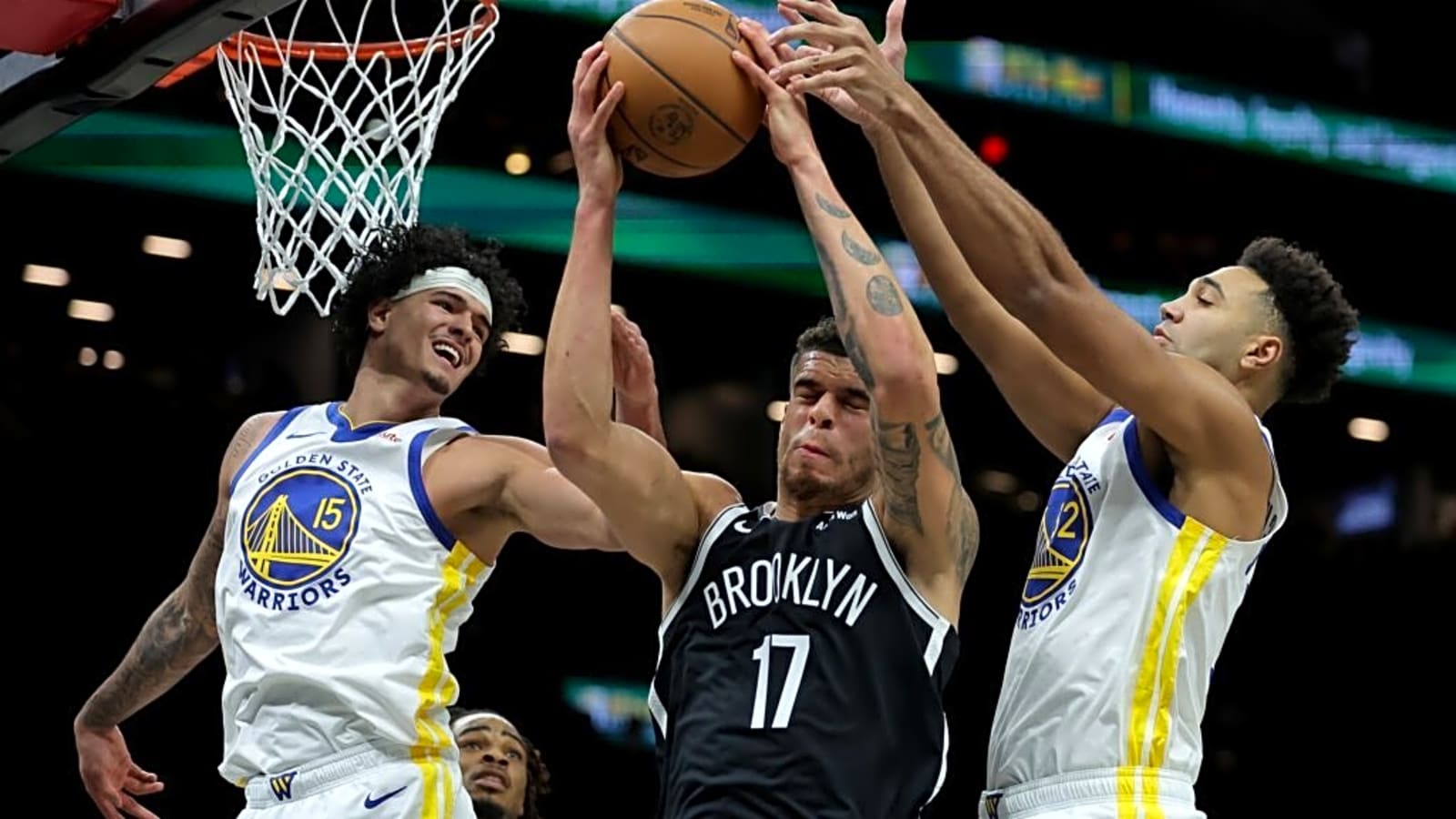
Outworked on the glass and giving up second-chance points, the Warriors face a growing rebounding issue that could make or break their season. Rebounding and second-chance points have become increasingly concerning for the Warriors as the season unfolds. Recent games, particularly Sunday’s loss to the Raptors, exposed costly lapses on the glass. Golden State must address these issues quickly before late-2025 problems begin to define their 2026 campaign.
Warriors’ Rebounding Problem Exposed Ahead of Crucial Stretch
Second-Chance Points Becoming Costly
Second-chance points are rapidly becoming one of the Warriors’ biggest weaknesses. This season, Golden State has struggled defensively on the glass, ranking third in the league in second-chance points allowed with 3,732. The loss to the Raptors recently exposed these problems in brutal fashion. Golden State repeatedly surrendered offensive rebounds, leading to easy put-backs and extended possessions, which allowed Toronto to control the momentum even when shots weren’t falling. Raptors forward Scottie Barnes recorded a career-high 25 rebounds, an alarming stat that underscored the Warriors’ lack of presence inside. There was a sequence in overtime where he secured three offensive rebounds on the same possession. Allowing multiple second-chance opportunities not only wears down the Warriors’ defense but also neutralizes everything the Dubs are known for: their fast-paced style. Rebounding discipline must become a priority, whether that means adding size to the roster, increasing collective effort, or simply adjusting system responsibilities.Size or Effort?
The Warriors are the smallest team in the NBA, and this has been a known reality for some time. Golden State has embraced speed, versatility, and spacing, but the lack of size is becoming a roadblock. When the team has desperately needed a true interior presence, someone who can control the paint, secure rebounds, and deter shots, they have instead leaned on undersized options, including adding in a 6-foot-8 center in Al Horford. But it’s difficult to blame the rebounding struggles solely on size. Too often, breakdowns have stemmed from poor positioning and a lack of urgency when boxing out. Ultimately, it comes down to effort, something the Warriors have failed to show, especially in closing stretches of games. This season, they’ve blown eight leads while up in the third quarter, more than any other team in the NBA. So it’s a recurring lapse of focus and physicality.The Adjustments Needed Moving Forward
Moving forward, rebounding must become an essential part of the Warriors’ identity. Adjustments must come quickly in box-outs and positioning, particularly in tense late-game situations where focus often slips. Bigs such as Horford and Quinten Post must take greater responsibility on the glass, maintaining dominance in the paint rather than drifting to the perimeter and prioritising three-point attempts. Whether Steve Kerr needs to lean into bigger lineups or stagger minutes to ensure a consistent interior pressure, adding front-court depth could finally be the key to helping the Warriors close out games. More importantly, it may prevent opponents from setting career highs and franchise records against what was once a feared Golden State franchise.More must-reads:
- Jaylen Brown sacrifices chance to break Larry Bird record, but plays crucial role in Celtics' win
- Report reveals extent of Nuggets star Nikola Jokic's injury
- The 'NBA Christmas Day triple-doubles' quiz
Breaking News
Trending News





Customize Your Newsletter
 +
+




Get the latest news and rumors, customized to your favorite sports and teams. Emailed daily. Always free!
MY ACCOUNT SUBSCRIBE ADVERTISE JOBS FAQ
PRIVACY POLICY EDITORIAL POLICY CONTACT US
ABOUT YARDBARKER TERMS OF SERVICE


PRIVACY POLICY EDITORIAL POLICY CONTACT US
ABOUT YARDBARKER TERMS OF SERVICE
Copyright 2025 YB Media, LLC.
All rights reserved.
Use of this website (including any and all parts and
components) constitutes your acceptance of these
Terms of Service and Privacy Policy.
This site is for entertainment purposes only.
There is no gambling offered on this site.
Gambling Problem? Call 1-800-Gambler.

Use of this website (including any and all parts and
components) constitutes your acceptance of these
Terms of Service and Privacy Policy.
This site is for entertainment purposes only.
There is no gambling offered on this site.
Gambling Problem? Call 1-800-Gambler.