
-

-


Follow Us
-

 On Facebook
 On Flipboard
 On Twitter
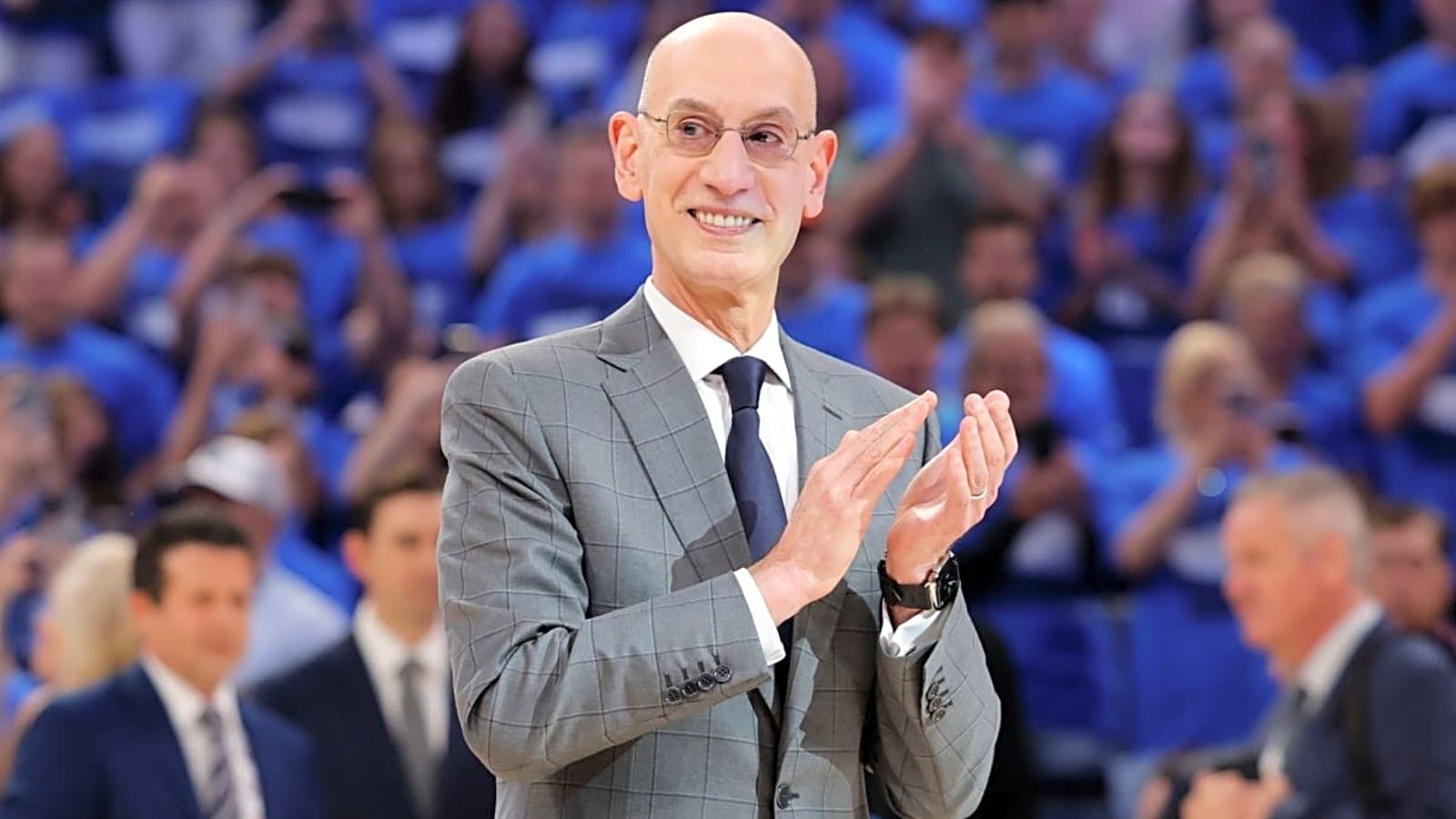
Of the four big professional sports leagues in North America, none has a more confusing financial setup than the NBA.
And while a bachelor's degree in accounting helps understand, the most fervent NBA fans without such schooling can often explain it to the layperson. In other words, while yes, it's complex, think about it the same way you think about your taxes and things become somewhat clearer.
NBA's Salary Cap
Unlike Major League Baseball, the NBA has a salary cap; it just isn't what is defined as a hard cap, meaning teams are free to go over "maximum" if they're willing to pay additional taxes -- a luxury tax -- for doing so.
For the 2025-26 season, the league set that maximum at $154.6 million. Teams that choose to go above it suffer financial penalty. The league also sets a cap floor (minimum), and for the '25-26 season, it was $139.2 million
When a season begins, teams are put into tiers based on their payroll, much like how Americans fall into tax brackets. It's not exactly the same, but it's the metaphor we're using, anyway. Let's examine the tiers and what effects they have.
- 1) Teams under the cap of $154.6 million
- 2) Teams above cap but under the luxury tax threshold of $187.9 million
- 3) Teams above tax threshold but under first bracket (called aprons in the NBA) of $195.9 million
- 4) Teams above the first apron but below the second apron of $207.8 million
- 5) Teams above the second apron of $207.8 million
1) Under the Cap
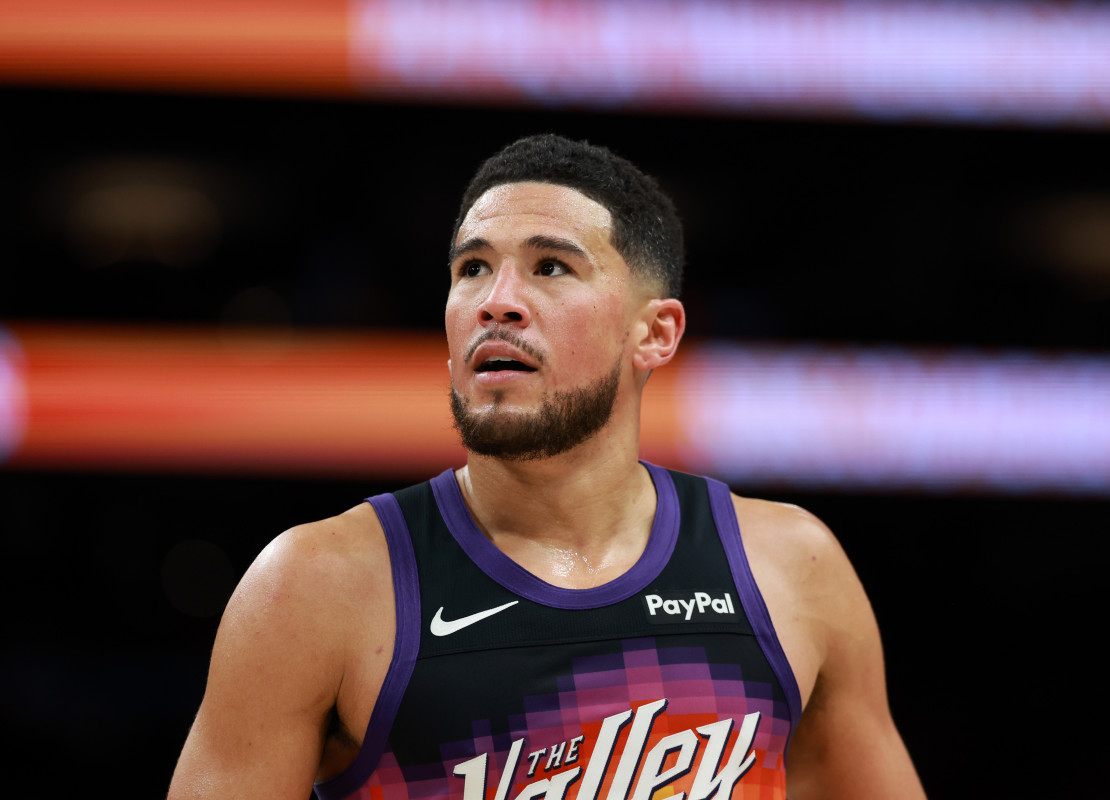
As long as a team is above the salary floor, they're welcome to stay under the salary cap as long as they like without financial penalty. Of course, this means they likely won't field as competitive a roster as others who choose to go above the cap and into luxury tax territory, though financial shrewdness helps.
Teams in this tier can sign non-rostered players without the use of salary-cap exemptions, and in trades they can take on salary to the point of reaching the cap. Once they've hit the threshold, they bump to the next tier.
2) Between the Cap and Luxury Threshold
In 2025-26, most teams live in this tier or the next. As of March 1, 2026, 22 franchises slotted here. They have access to the non-taxpayer mid-level exception. That allows a team to sign players for about 9.1% of the salary cap. The non-taxpayer mid-level exception allows teams to add to their roster via signing or trade.
Teams here can also use the bi-annual exception. It's used for contracts up to a maximum of two years in length.
3) Between the First Apron and Second Apron
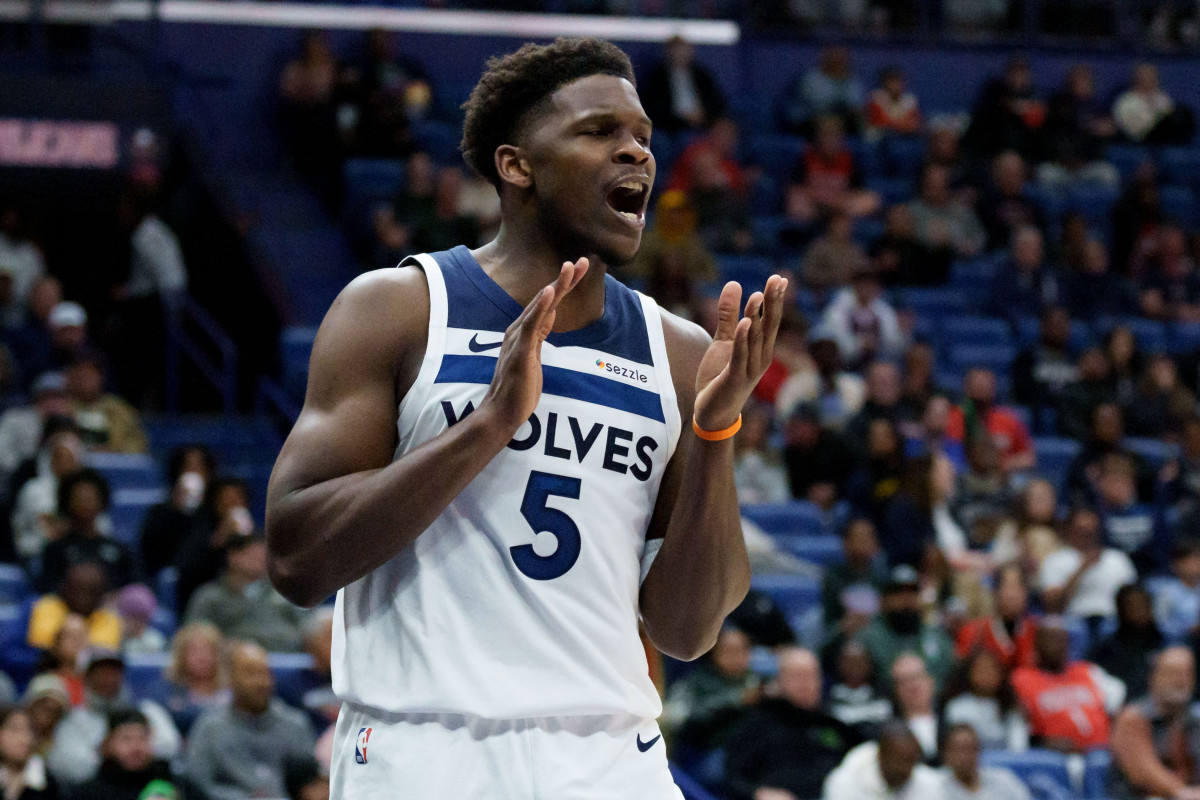
The biggest difference between this tier and the previous is that teams in this zone can access to the taxpayer mid-level exception. In 2025-26, it's worth about 40% of the non-taxpayer mid-level exception. The former maxed out at about $14.1M per year, whereas the mid-level exception in this tier maxes at around $5.7 million per year.
Teams here can also use the bi-annual exception, but because of their status as luxury taxed, those deals can sometimes lift the team into the next tier. As of March 1, 2026, two teams slotted here.
4) Teams Between NBA First Tax Apron and Second Tax Apron
Most teams don't want to be here as getting to this tier prohibits a team from having access to a mid-level exception or a bi-annual exception. Basically, they can't sign non-rostered players for anything other than the veteran minimum salary.
This tier also limits their trading ability as they have to nearly match salaries exactly. Two teams are slotted here as of March 1, 2026.
5) Teams Above NBA Second Tax Apron
Only one team had met this threshold as of March 1, 2026. The punishment is stiff as teams here can't aggregate salaries for matching purposes in a trade, which means basically have to make one-for-one or two-for-two trades or the like.
They suffer all the same restrictions as the previous tier, too, and also can't send cash to another team in a trade.
How massive is the tax difference between the top three tiers? Well, as of March 1, 2026, this was each team's estimated tax bill, according to Spotrac:
- Minnesota Timberwolves - $5.5 million
- Los Angeles Lakers - $22.7 million
- New York Knicks - $44.4 million
- Golden State Warriors - $65.7 million
- Cleveland Cavaliers - $67.3 million
More must-reads:
- Lakers' Austin Reaves out for remainder of season
- LeBron James disses two more American cities after profane rant about Memphis
- The 'NBA two's leaders by season' quiz
Breaking News
Trending News






Customize Your Newsletter
 +
+




Get the latest news and rumors, customized to your favorite sports and teams. Emailed daily. Always free!
PRIVACY POLICY COOKIE POLICY CONTACT US
ABOUT YARDBARKER TERMS OF SERVICE


By using this site, you agree to our Terms of Service and Privacy Policy.
This site is for entertainment purposes only.
There is no gambling offered on this site.
Gambling Problem? Call 1-800-Gambler.
