
-

-


Follow Us
-

 On Facebook
 On Flipboard

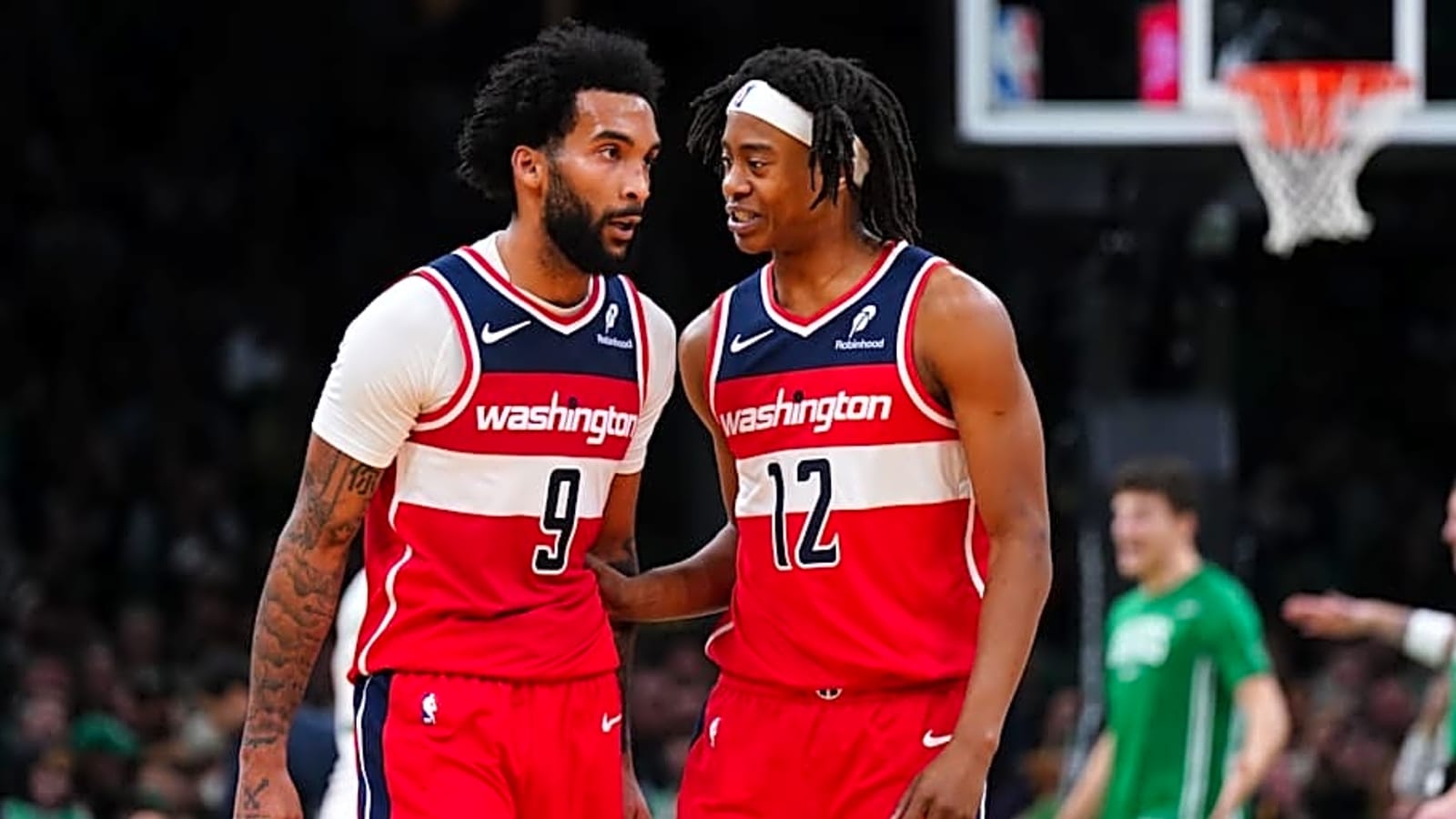
Tre Johnson has shown enough flashes in his rookie season to convince many that he has the talent to become a go-to player for the Washington Wizards. Yet, despite the upside, the organization has been reluctant to fully hand him the keys.
Several factors, including organizational philosophy, roster construction, and internal pressure, have been the reasons for Johnson's slow start and have kept his role limited.
https://t.co/wWGNmWoaNH’s updated Rookie Ladder:
— NBACentral (@TheDunkCentral) December 24, 2025
1. Cooper Flagg
2. Kon Knueppel
3. Derik Queen
4. VJ Edgecombe
5. Dylan Harper
6. Cedric Coward
7. Jeremiah Fears
8. Maxime Raynaud
9. Ryan Nembhard
10. Egor Dëmin pic.twitter.com/H2Tc6gwCjj
One of the biggest reasons is the Wizards’ long-standing emphasis on patience. Washington has preached a deliberate approach to development, often prioritizing structure and gradual growth over immediate freedom. While this mindset is understandable, the results have been mixed at best. The Wizards’ record reflects years of cautious decision-making that have not translated into wins. Still, the organization continues to believe that young players are best served by easing into larger roles rather than being thrust into the spotlight too quickly.
Veteran presence is another major factor. The Wizards have made it a point to surround their young core with experienced players who can model professionalism and stability. Guards and wings like CJ McCollum and Khris Middleton were brought in with leadership in mind, but their presence has also come at a cost. These veterans naturally command minutes, touches, and late-game opportunities, which reduces the chances for Johnson to operate as a primary option. When the ball is in a veteran’s hands, a rookie’s growth as a creator can stall.
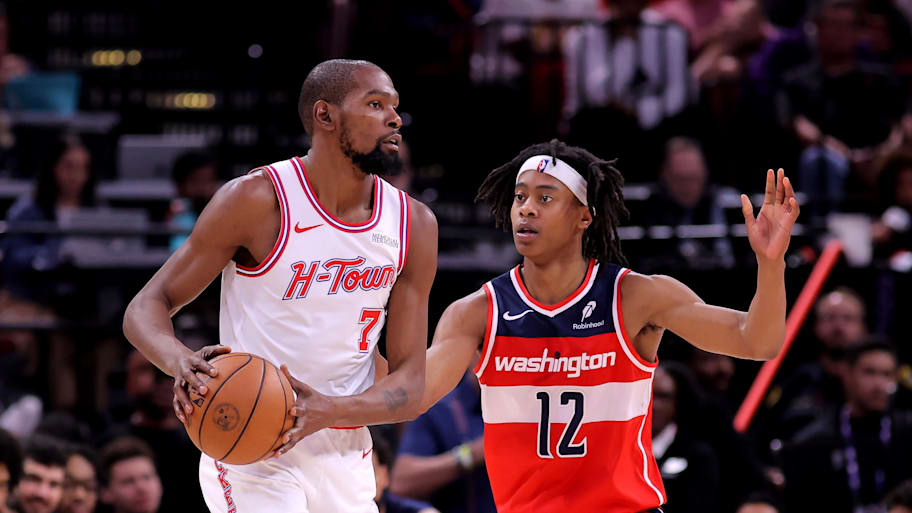
Coaching decisions also play a significant role. The staff is tasked not only with developing players but with putting a competitive product on the floor each night. In tight games, coaches often lean on veterans they trust, believing they give the team the best chance to execute. That reality limits Johnson’s opportunities to play through mistakes, which is often where true growth occurs. While Johnson has the skill to take on a larger role, trust is something he is still earning at the NBA level.
The Bottom Line
The front office’s influence cannot be ignored either. Coaches and executives operate under pressure to show progress, even during rebuilding seasons. Competing and appearing respectable often come easier with proven veterans than with an unpolished rookie. That pressure can subtly shift priorities away from experimentation and toward short-term stability. Ultimately, Tre Johnson’s delayed breakout is not a reflection of a lack of talent. It is the result of an organization balancing patience, veteran leadership, and internal expectations. While Johnson still needs more reps and time to refine his game, the path to becoming the player the Wizards envision has been slowed by circumstances beyond his control.
More must-reads:
- Team USA guard Caitlin Clark's FIBA World Cup shooting struggles continue
- Bold predictions for the 2026 NFL season
- The 'Most points in a game by NBA team' quiz
Breaking News
Trending News





Customize Your Newsletter
 +
+




Get the latest news and rumors, customized to your favorite sports and teams. Emailed daily. Always free!
PRIVACY POLICY COOKIE POLICY CONTACT US
ABOUT YARDBARKER TERMS OF SERVICE


By using this site, you agree to our Terms of Service and Privacy Policy.
This site is for entertainment purposes only.
There is no gambling offered on this site.
Gambling Problem? Call 1-800-Gambler.
