
-

-


Follow Us
-

 On Facebook
 On Flipboard
 On Twitter
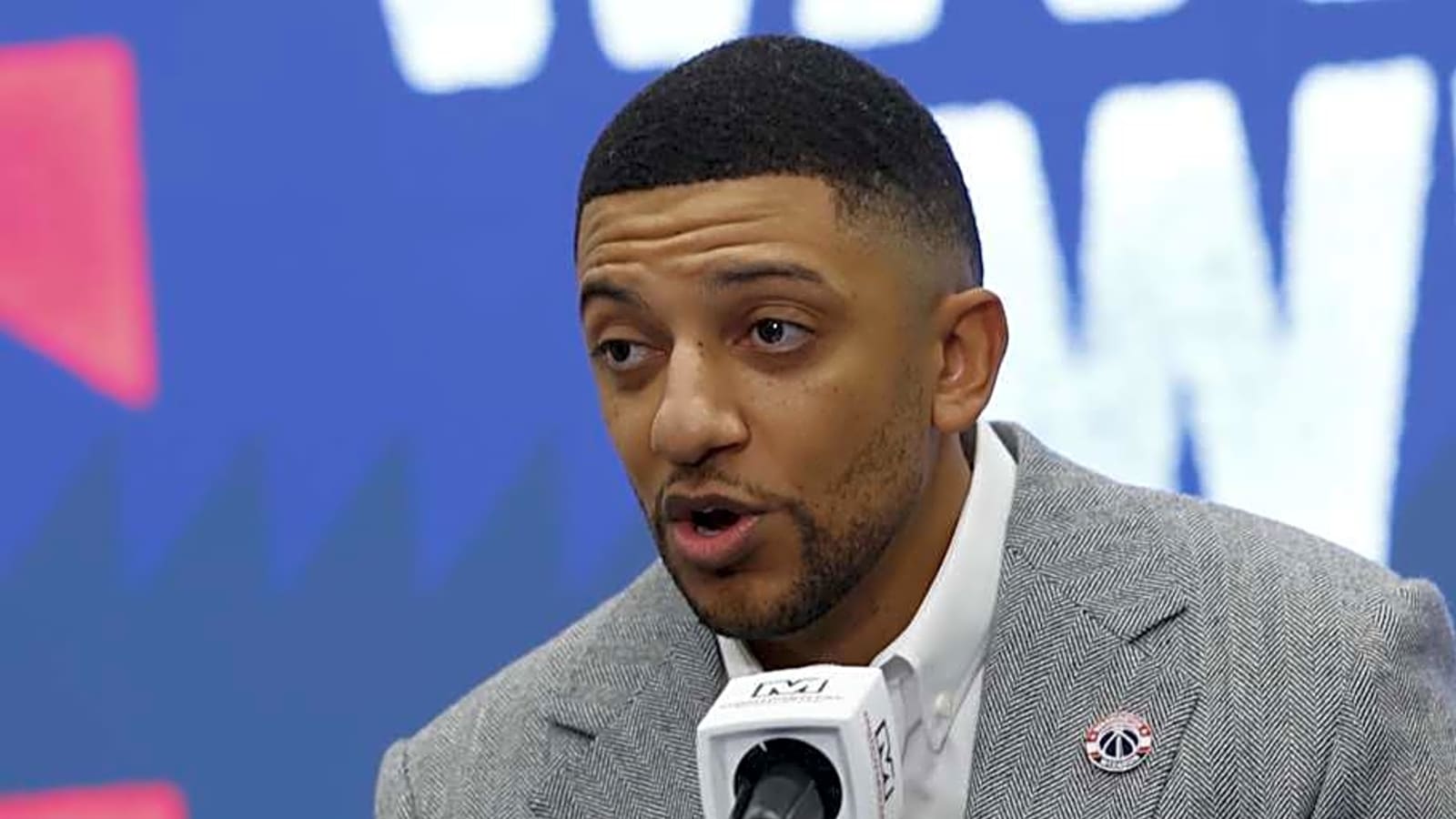
After years of quiet margin moves, the Washington Wizards are finally starting to accrue respect as some of the best product managers in the league.
They let their past few trade deadline showings speak for themselves before embarking on one of the great front office heat checks of the season by trading for Trae Young and Anthony Davis within a month of each other without giving up a single impact asset in return. The pair of maneuvers set the Wizards up to continue building up their young talent behind the undervalued All-Stars, but not every evaluator is a fan of their business-minded approach.
Sam Quinn of CBS Sports does not approve of Washington's intention to balance timelines with franchise faces as inconsistent as Young and Davis. They were each made available by their former teams for good reasons, and it's fair to be suspicious at how much on-court value they'll provide whenever they first suit up in D.C.
"The basic idea of the Young trade made some sense," he wrote. "They badly needed an offensive organizer to help their young players take the next step developmentally. He doesn't have to be a long-term piece. Washington can see how this plays out on his expiring deal next year.
"But Davis -- independent of his waning durability -- just didn't look like the same player for Dallas that he did for Los Angeles. His free-throw rate and efficiency were way down with the Mavericks. Young should set him up for easier looks, as he took far too many jumpers for the Mavericks, but he's about to be 33. Some decline was inevitable. He's still very good defensively. He's not the game-altering force he once was."
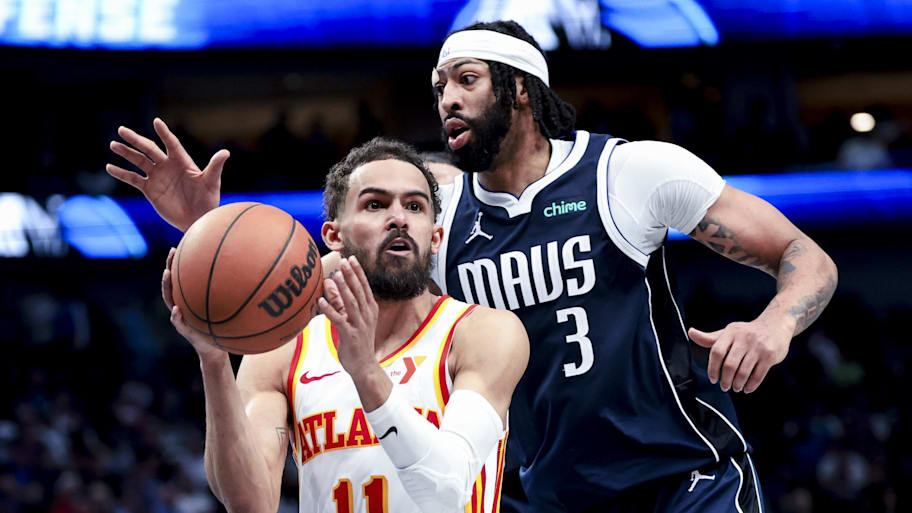
Bringing the damaged goods to Washington did make for a few bold swings, and that's where Quinn recognizes the inherent value of their strategy to buy low. There's a chance that each of the stars can rebuild their value with the Wizards, and it's not like they cost very much to bring over. However this odd era ends, though, this is no reason to drop the Wizards' front office from No. 18 to 22 like Quinn did, seemingly for these two mega-trades alone.
Washington's Defensibly Aggression
One aspect of Wizards' basketball that's important to take into account is how long they were stuck in mud before they commenced this ongoing rebuild. They missed out on the opportunity to tank for Victor Wembanyama because the prior front office was so excited to run out a big-three of Bradley Beal, Kristaps Porzingis and Kyle Kuzma, and while Quinn compares their current good-not-great outlook to that forgettable era, he couldn't be further from the truth.
There's a decent chance that Young gets extended before picking up his rapidly-approaching player option, but the significantly-older Davis will be on an expiring contract next year. There remains time to flip him again if he makes anything of his time as a Wizard, and his young new teammates will have plenty of time to continue developing while he takes the time to recover from his most recent injury.
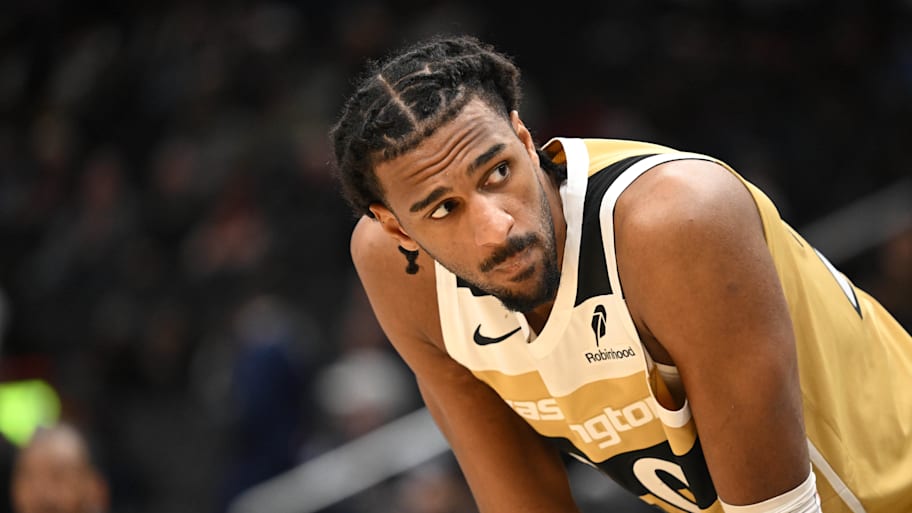
And while playing it passive and hoping that the lottery finally smiles upon Washington's odds, the flattened draft odds have kicked this team where it hurts too many times for the fans to count. They still intend on making the most of this upcoming 2026 class, but this current phase of the rebuild was largely expected to end after this summer. Nothing's changed from the team's initial long-term agenda, and given Davis' and Young's long-term absences, expect the losses to continue piling up.
The Wizards may still be a lot more hypothetical than tangible, though their bevy of hand-picked prospects are starting to excite the same LeaguePass scrollers who never gave this team much mind just a few years ago. When we weigh what they're really losing against the potential offered by the new roster, it's hard to argue with the Wizards' long-term vision, which hasn't been changed nearly as drastically as outside viewers may think.
More must-reads:
- Warriors receive massive Stephen Curry injury update before Rockets game
- Latest Luka Doncic injury update may have big implications for Lakers star
- The 'NBA two's leaders by season' quiz
Breaking News
Trending News




Customize Your Newsletter
 +
+




Get the latest news and rumors, customized to your favorite sports and teams. Emailed daily. Always free!
PRIVACY POLICY COOKIE POLICY CONTACT US
ABOUT YARDBARKER TERMS OF SERVICE


By using this site, you agree to our Terms of Service and Privacy Policy.
This site is for entertainment purposes only.
There is no gambling offered on this site.
Gambling Problem? Call 1-800-Gambler.
