
-

-


Follow Us
-

 On Facebook
 On Flipboard

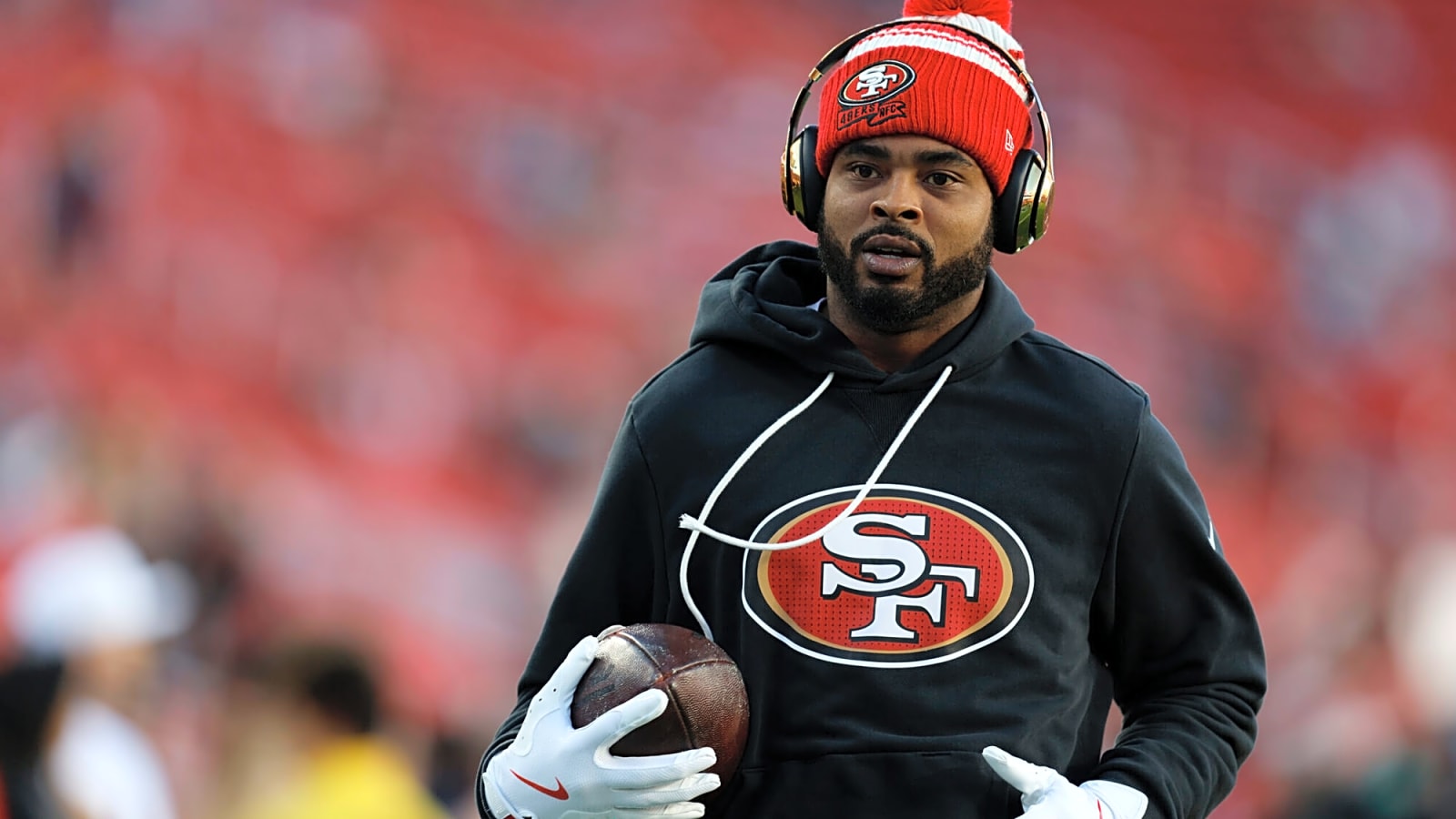
Fifty-seven days. That’s how long Jauan Jennings sat by the phone after hitting free agency on March 11, watching teammates and lesser receivers land deals while his rang silent. A career-high 9 touchdowns in 2025. A breakout 2024 campaign of 77 catches and 975 yards. A preseason ranking among the top 30 free agents in football. And still, nothing. Not a bidding war. Not a serious offer sheet. Thirty-two front offices looked at the numbers, looked at the injury history, looked at the man, and collectively shrugged. The silence told a brutal story before any contract ever could.
9 TDs. 55 catches. $8 million. That is the math that rewrote his market.
The Price Tag Nobody Paid
Spotrac had projected Jennings at $22.6 million per year. A three-year deal worth $67.8 million seemed plausible before the market opened. That number reflected what a legitimate WR2 commands in today’s NFL. Jennings entered free agency expecting competitive bidding from multiple franchises. Instead, the phone stayed quiet through March, through April, and deep into May. The 49ers, the team that watched him develop across six seasons and 210 career catches, declined to offer an extension. GM John Lynch publicly signaled the relationship was winding down. When your own team won’t pay, it sends a signal every other front office receives loud and clear.
The Number That Killed His Market

On May 7, Jennings agreed to a one-year, $8 million deal with the Minnesota Vikings. Incentives could push it to $13 million. Against that $22.6 million projection, the base salary represented a 65 percent discount. The deal carries no future guaranteed years, which is the part agents around the league will remember longest. Career-high touchdowns. A breakout season still fresh on tape. And the market’s answer was $8 million, take it or leave it. That gap between expectation and reality is staggering. One exceptional year couldn’t rewrite six years of scouting consensus. Thirty-two teams looked at the same film and reached the same conclusion. Productive role player, not ascending star.
Six Years of Tape Don’t Lie
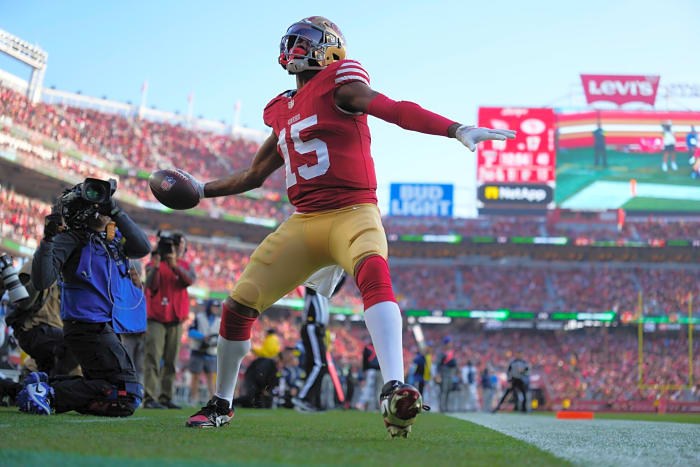
Most fans saw the 2024 breakout and assumed Jennings had arrived. The scouting community saw something different. His first three seasons produced just 78 catches, 963 yards, and 7 touchdowns combined. A seventh-round pick at 217th overall who took years to become a reliable target. His six-year career average sat at 35 catches per season. The 2024 explosion looked less like a permanent leap and more like a role player catching lightning. Every team’s evaluation started with the same question. Was 2024 the new normal, or the outlier?
The Injury Ledger Buyers Couldn’t Ignore
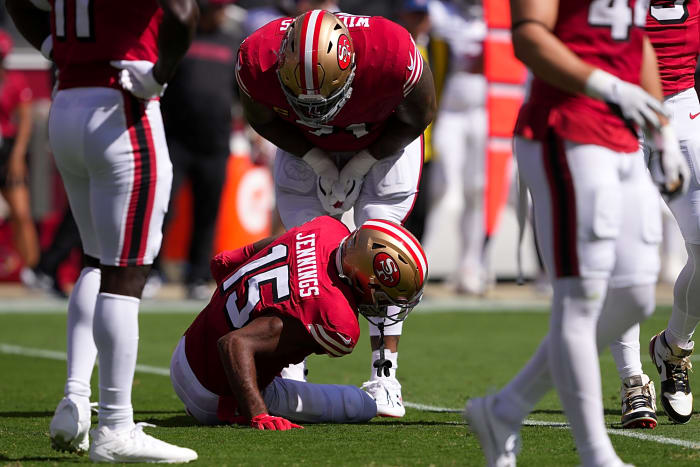
There is a reason the market reads Jennings as risk rather than upside. He has battled shin, hip, and rib issues across recent seasons and has never played a full 17-game slate. Availability is ability in the NFL front-office vocabulary, and Jennings’ medical file has been thick enough to spook teams reluctant to build a WR2 role around a player who misses multiple games most years. That context sits underneath every offer sheet that never arrived.
The Outlier Season That Fooled Nobody
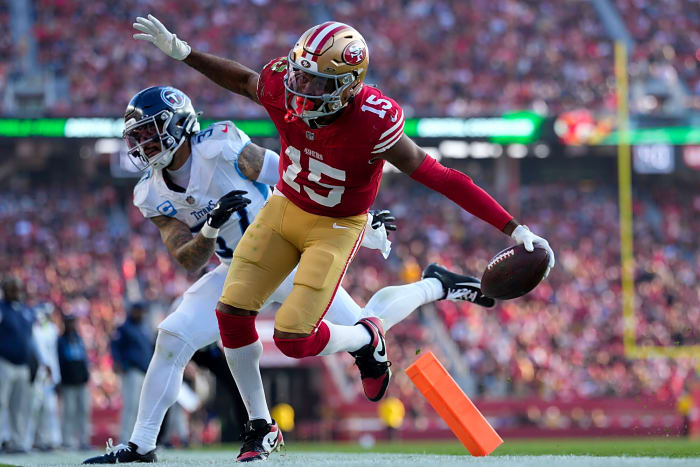
Here is what the scouting departments saw that casual fans missed. Jennings scored 9 touchdowns on just 55 catches in 2025, a 16.4 percent touchdown rate well above his career norm. That spike screamed regression, not evolution. The touchdowns masked declining volume. His catches dropped from 77 to 55, his yards from 975 to 643. The red-zone efficiency was real. Everything else pointed backward. NFL evaluators don’t pay for touchdown luck. They pay for route trees.
What $14.6 Million Buys You

The Vikings saved roughly $14.6 million against Spotrac’s projection by waiting out the market. Minnesota needed a receiver after Jalen Nailor left for the Raiders on a three-year, $35 million deal in March, and patience turned a depth signing into a potential heist. Jennings slots in behind Justin Jefferson and Jordan Addison, giving Minnesota a formidable 1-2-3 punch at the position. For $8 million base, the Vikings bought a 6-foot-3, 212-pound target with a track record as a willing run blocker and a red-zone specialist whose contested-catch profile fits the play-action and boundary concepts Kevin O’Connell leans on. The pass-catcher will now play his home games with J.J. McCarthy throwing the football, a ceiling-or-floor variable that defines the entire bet. If Jennings produces, Minnesota captured massive value. If he doesn’t, the contract reflects exactly what the market believed all along.
The Ripple Hitting Every Aging Receiver
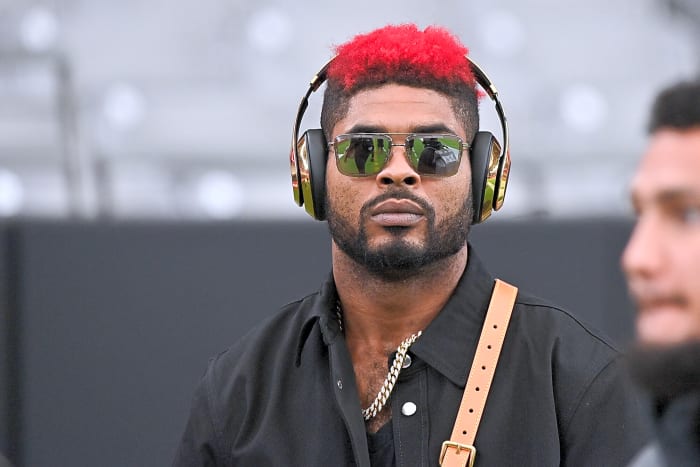
Jennings’ deal just became the benchmark every agent dreads. Veteran receivers approaching 30 now face the same math. Extended free agency doesn’t drive your price up. It craters your leverage. Teams proved they can wait out respected veterans seeking premium money. The receiver market is consolidating hard around three tiers. Proven elite at $20 million and up, emerging young talent at $3 to $8 million, and veteran depth at the same range. The middle class is vanishing. Jennings’ 57-day wait proved that top-30 preseason rankings carry zero predictive power when collective team skepticism takes hold.
One Season Can’t Erase Six
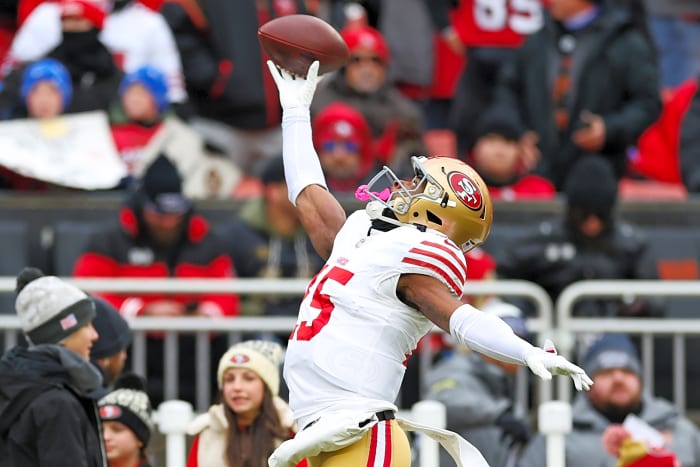
The deeper truth buried in this contract goes beyond football. Once the NFL categorizes a player, that label becomes nearly permanent. Jennings’ playoff résumé reinforced the ceiling. When the stage got bigger, his production stayed modest rather than ascending. One-year deals for 28-year-old receivers are becoming standard rather than exceptional. That’s the new rule. Role-player categorization is more durable than anyone assumed, and one statistical spike cannot reclassify a career arc that six years of film already defined.
The Audition With No Safety Net
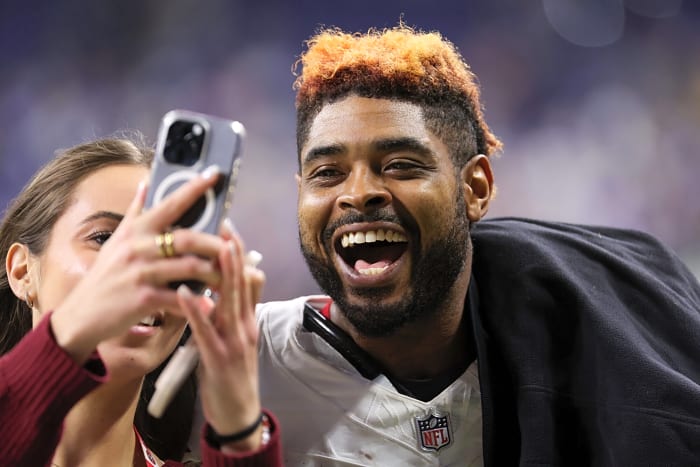
Jennings turns 29 in July. He has one season to prove 32 front offices wrong, playing alongside one of the best receivers in football in Justin Jefferson and catching passes from a young quarterback the Vikings are trying to build around. If he delivers a WR2-caliber year, he re-enters free agency with legitimate leverage and could approach $14 to $16 million annually. If he underperforms as a third option, the next contract drops to $4 or $5 million, and the journeyman label becomes permanent. No guaranteed future years. No long-term security. Just one season of film between a career resurrection and a slow fade into roster margins.
The Label That Follows You Home
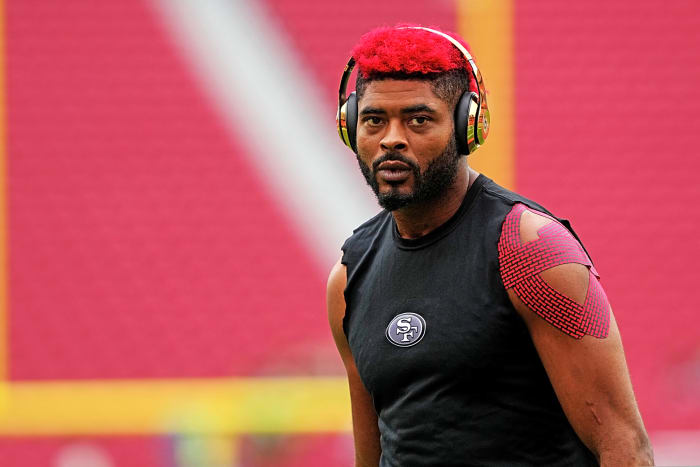
Anybody who has ever crushed one year at work and still gotten passed over for the promotion understands exactly what happened here. Jennings did everything the stat sheet asked. Scored more touchdowns than any season of his career. And the market looked at the full résumé, not the highlight reel, and said we know what you are. The Vikings are betting $8 million that 32 teams were wrong. Jennings is betting his entire remaining prime that one year in Minnesota can rewrite a label six years of tape already carved in stone.
Vikings fans, did Minnesota just steal a WR2 for pennies, or did 32 front offices see exactly what they needed to see? Tell us where you land in the comments.
Sources:
Adam Schefter, ESPN, May 7, 2026
Minnesota Vikings Communications, Vikings.com, May 7, 2026
Associated Press via The Washington Post, May 7, 2026
Mike Florio, Pro Football Talk, NBC Sports, May 7, 2026
Spotrac contract projections and player page, February 2026
Pro Football Reference and NFL.com game logs, 2025 season
More must-reads:
- Browns' Shedeur Sanders gets more bad news amid Deshaun Watson reports
- Vikings land WR Jauan Jennings, add another playmaker to offense
- The 'NBA scoring champions' quiz
Breaking News
Trending News






Customize Your Newsletter
 +
+




Get the latest news and rumors, customized to your favorite sports and teams. Emailed daily. Always free!
PRIVACY POLICY COOKIE POLICY CONTACT US
ABOUT YARDBARKER TERMS OF SERVICE


By using this site, you agree to our Terms of Service and Privacy Policy.
This site is for entertainment purposes only.
There is no gambling offered on this site.
Gambling Problem? Call 1-800-Gambler.
