
-

-


Follow Us
-

 On Facebook
 On Flipboard

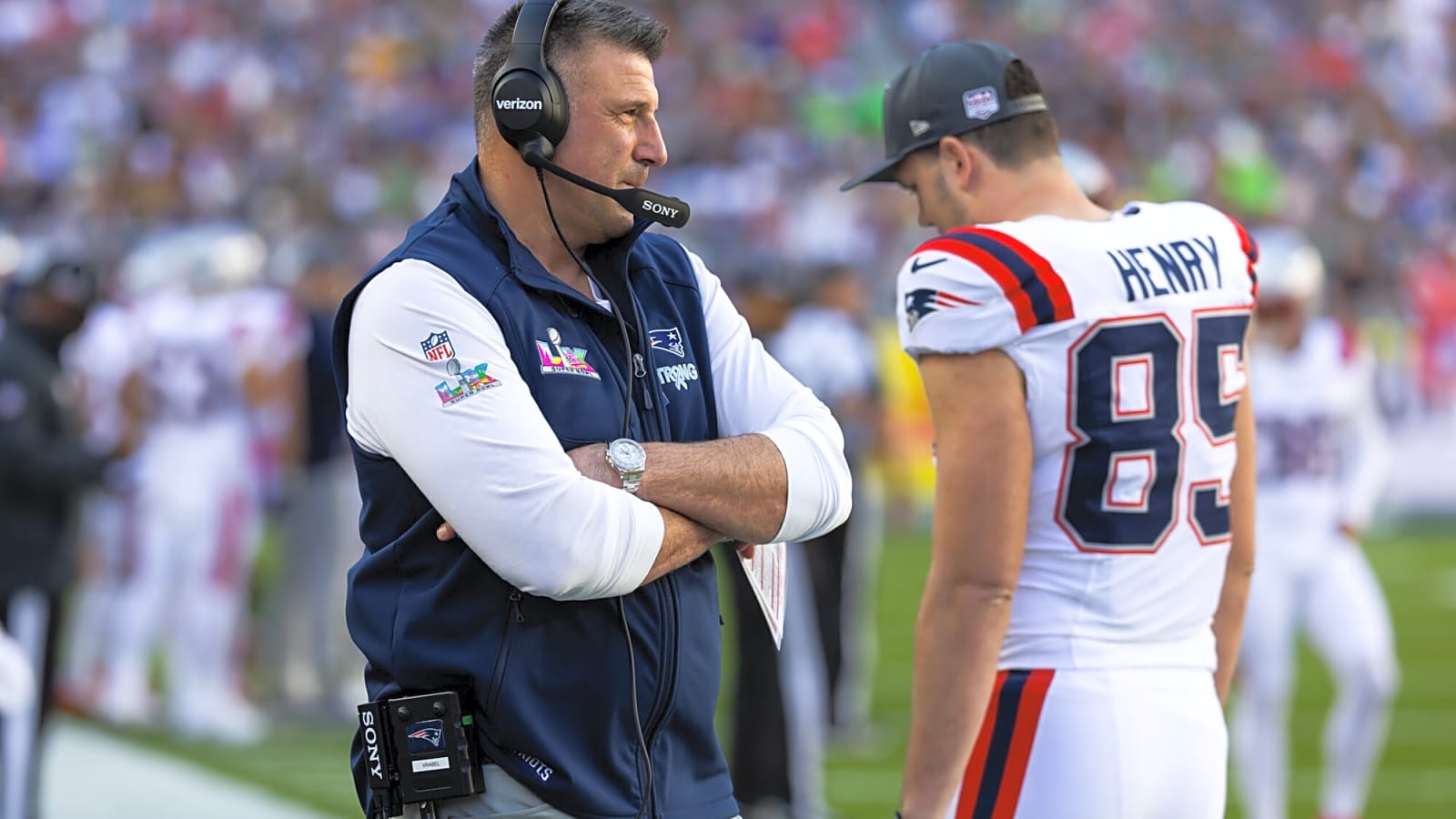
Steven Ginsberg stood in front of his entire newsroom and read a prepared statement for roughly 10 minutes admitting he got it wrong. Twenty-two days earlier, The Athletic’s executive editor had called photos of reporter Dianna Russini and Patriots coach Mike Vrabel “misleading” and said they lacked “essential context,” while describing her as a reporter of high standing. Now he was reversing himself, acknowledging his communications around the situation could have been clearer. He took no questions. That gap between confident defense and quiet admission tells a bigger story than Ginsberg intended, and the photos span six years and three states, with fallout reaching far beyond one newsroom.
The CEO Shortcut That Broke the Process
According to ESPN, Russini appealed directly to New York Times Company CEO Meredith Kopit Levien to plead her case, in addition to consulting a crisis communicator. Ginsberg then issued a strong public defense before The Athletic had gathered corroborating evidence from Russini. The defense came first, and the deeper evidence request came second. That sequence explains much of what followed. ESPN also reported Russini coordinated with Vrabel about how to respond to the Post before either spoke publicly.
The Evidence She Couldn’t Produce
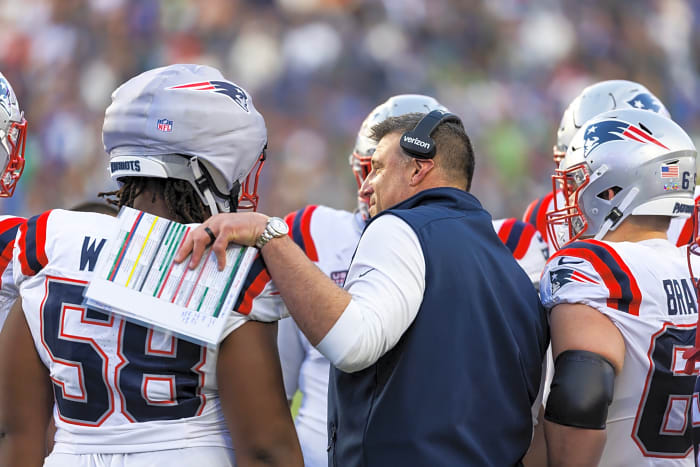
When Athletic executives later asked Russini to back up her account, ESPN reported they requested ordinary material, including text messages about an airport pickup, screenshots of trip planning, and photos from a hike. According to ESPN’s sources, Russini never provided sufficient evidence. She resigned on April 14, forfeiting her contract through June 30, saying in her resignation letter she would not “lend further oxygen” to the story. The Athletic’s New York Times owned parent had publicly vouched for someone who, per ESPN’s reporting, did not meet that evidentiary bar.
The 22-Day Timeline
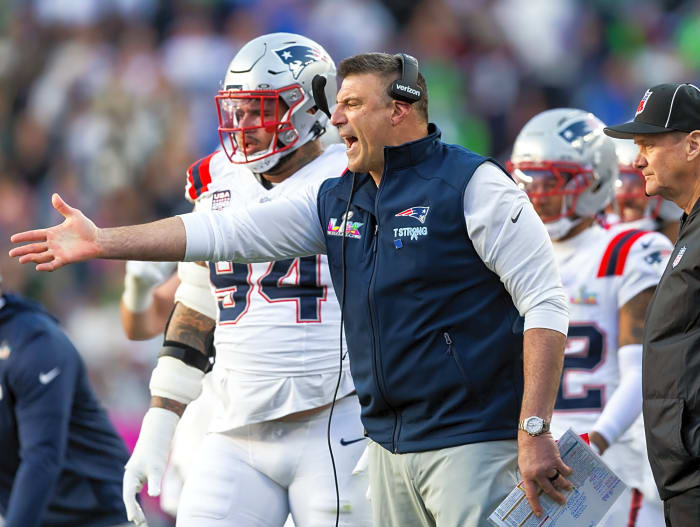
The compressed chronology matters because it shows how quickly the narrative shifted. On April 11, The New York Times disclosed that The Athletic was investigating Russini’s conduct following photos of her with Vrabel. Russini resigned on April 14. The New York Post published additional photos from a 2020 Tribeca Tavern encounter on April 22. Vrabel announced the same week that he would step away from the Patriots to seek counseling and would miss Day 3 of the 2026 NFL Draft. By April 28, Ginsberg addressed the full Athletic newsroom in an all hands meeting and conceded his initial handling was flawed. Twenty two days separated the first public defense from the internal retreat.
A Newsroom Turns on Its Leadership

Athletic staff reacted with frustration to Ginsberg’s initial defense of Russini, according to ESPN, which spoke with multiple Times and Athletic staffers. That internal reaction contributed to leadership’s shift in public posture. Journalists who build careers on accountability watched their own editor defend before completing the verification step. Standards editor Mike Semel now leads an investigation Ginsberg described as lengthy, reviewing Russini’s NFL coverage and the nature of her relationship with Vrabel.
Three Locations of Receipts

In March 2020 at Tribeca Tavern in New York City, Page Six, citing an unnamed eyewitness, reported Vrabel and Russini were “kissing” and “all over each other.” Both were married at the time. In January 2024 at Beau Rivage Casino in Biloxi, Mississippi, roughly three weeks after Vrabel was fired from the Titans, the pair were photographed together per TMZ. In March 2026 at the Ambiente Sedona resort in Arizona, Page Six photographed the two holding hands and embracing. Three photo sets, three locations, six years apart, and none of it publicly disclosed before the story broke.
The Spotify Paper Trail

A Spotify playlist titled “TURNIN THE PAGE” was shared with a user named “Mike” on December 19, 2022, according to TMZ and multiple outlets. The share date coincides with the late season stretch of the Titans’ 2022 collapse under Vrabel, which Russini was covering at the time. After the photo story broke, Russini’s Spotify account was scrubbed, per reporting from TMZ, Heavy, Yahoo and AOL. The user “Mike” was subsequently renamed “Tycar,” which outlets including TMZ and Heavy described as a mashup of the names of Vrabel’s sons. The playlist surfaced as one of the few digital breadcrumbs linking the two outside of the photographed meetings.
The Sources Question
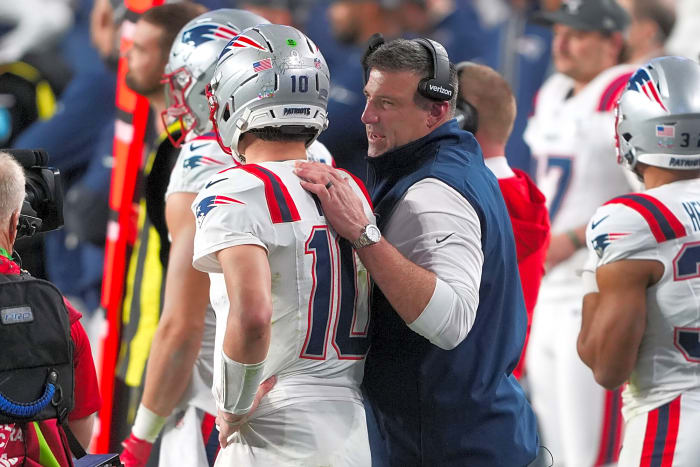
The harder question for The Athletic is what Semel’s audit will find inside Russini’s six year body of NFL work. Russini broke or advanced multiple stories touching Vrabel directly, including coverage of the Titans during his tenure and Patriots reporting after his hiring. Any story sourced in a way that intersected with an undisclosed personal relationship becomes a candidate for editor’s notes, corrections, or retractions. That is the practical stake of a “lengthy” review, and the reason the investigation’s scope, announced by Ginsberg, is measured in years rather than weeks.
The Machine Behind the Curtain
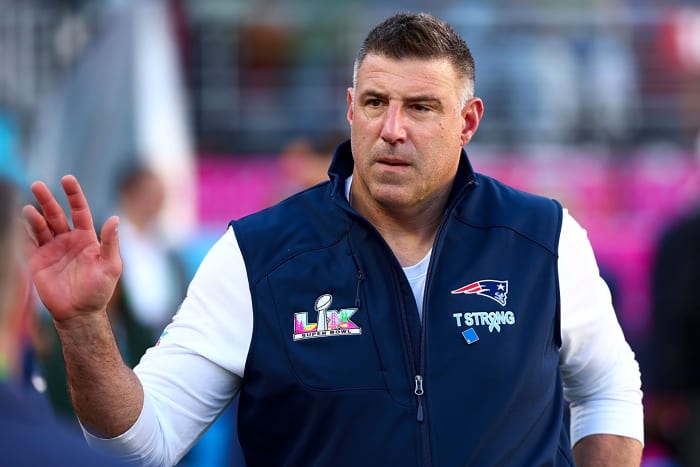
Every ripple traces back to the same structural issue, which is that a major media organization publicly defended before completing an independent investigation. Per ESPN, Russini hired a crisis communications expert, coordinated messaging with Vrabel, and appealed to the CEO. Editorial leadership defended before gathering full evidence. The Spotify account scrub and the “Tycar” rename, reported after the photo story broke, fit the same pattern of cleanup before accountability. That sequence reached from the Times Company’s top ranks into The Athletic’s sports coverage.
The Crisis PR Playbook

The moves reported by ESPN track closely with a standard reputation management sequence. Step one is the executive appeal, in this case to Meredith Kopit Levien, designed to insert pressure above the newsroom. Step two is the outside crisis communicator, who shapes message discipline. Step three is source coordination, which in this case meant aligning responses with Vrabel before speaking to the Post. Step four is the preemptive resignation, which closes the investigative window while refusing to supply documentary evidence. Each step is defensible in isolation, and in sequence they describe a playbook designed to manage narrative rather than establish facts.
‘Completely Innocent’ to Seeking Counseling
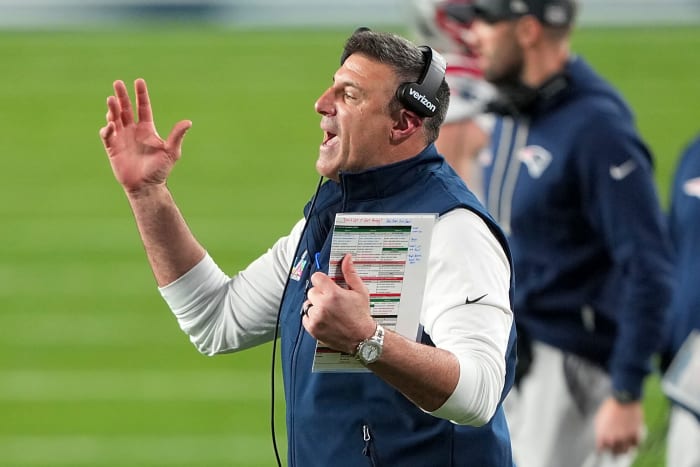
Vrabel told Page Six the photos showed “a completely innocent interaction” and called any suggestion otherwise “laughable.” Weeks later, he announced he would step away from the Patriots and said, “I have committed to seeking counseling, starting this weekend.” He missed Day 3 of the 2026 NFL Draft. The Patriots issued a statement supporting “Mike Vrabel’s decision to prioritize his family, as well as his own well being.” The distance from “laughable” to indefinite leave and counseling is the reversal that defines the public phase of this story. Both Vrabel and Russini are married to other people.
The NFL Looked Away
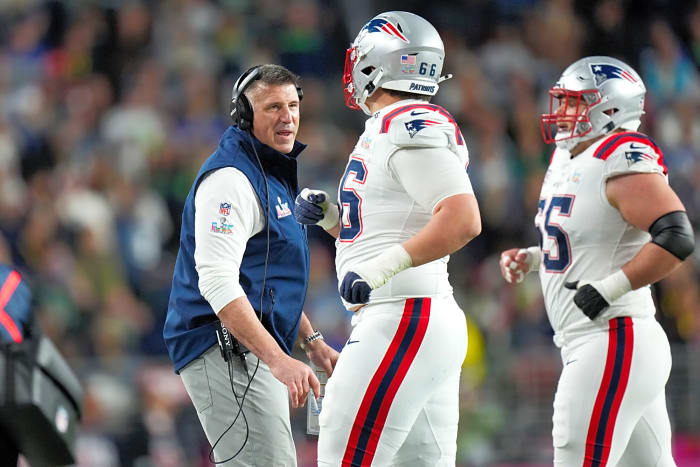
The league opted not to open a personal conduct investigation, treating the situation as a personal matter rather than a policy question, per reporting from USA Today and other outlets. A head coach was photographed with a reporter covering his league across a six year span, and the league’s enforcement response was silence. That decision carries a precedential weight, since it tells coaches and journalists alike where the league’s enforcement boundaries sit. The Athletic’s ongoing review could still surface additional conflicts in Russini’s coverage, and if it does, the New York Times owns those findings.
What ‘Personal Conduct’ Actually Covers
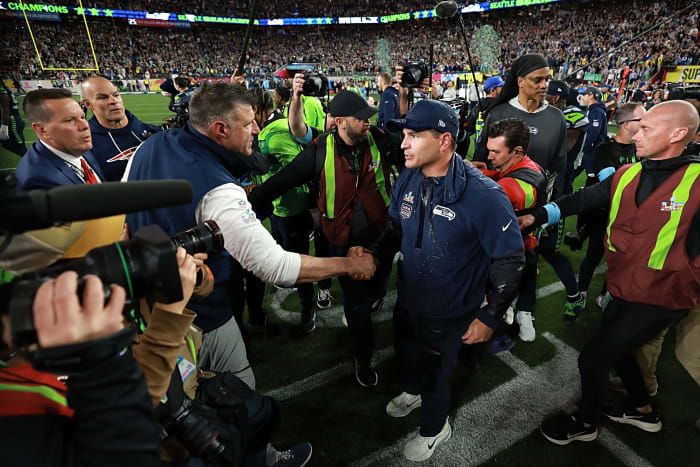
The NFL’s Personal Conduct Policy applies broadly to owners, coaches, and employees, and it is often associated with violence, DUI, gambling, and criminal conduct. Undisclosed relationships between coaches and reporters have historically fallen outside of its active enforcement scope, and the league’s decision here reinforces that line. The distinction matters because players facing comparable credibility questions routinely receive scrutiny, while coaches and front office staff are more often handled internally. Goodell’s framing of the Russini Vrabel situation as personal rather than conduct related will likely be cited the next time the line is tested.
The Patriots’ Succession Question
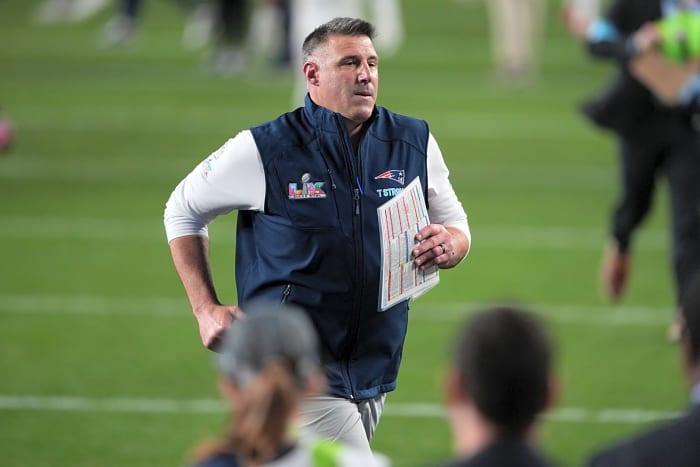
Vrabel’s indefinite step away lands during the offseason program window, which is when head coaches set schematic direction and evaluate rosters after the draft. The Patriots have publicly backed his decision without naming an acting coach, which leaves coordinator level staff to run day to day installations. If Vrabel does not return before training camp, New England will face the question of an interim head coach, and the team’s messaging to this point, anchored by the statement about prioritizing family and well being, has kept that option open rather than closed it.
The Cascade Keeps Breaking
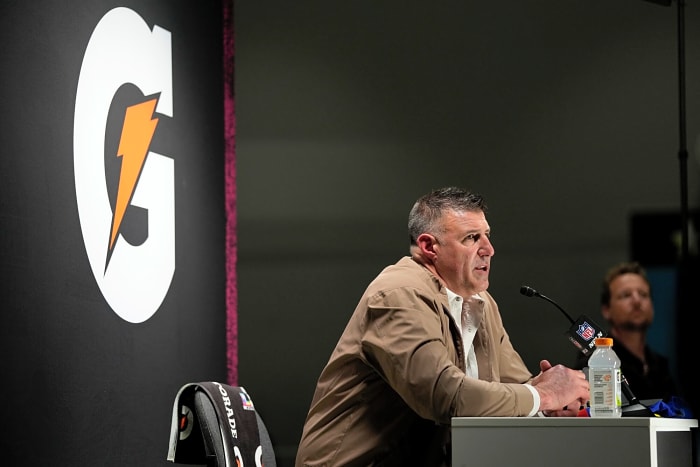
Mike Semel’s investigation remains ongoing and has been described as lengthy. If it finds additional undisclosed conflicts in Russini’s NFL coverage, the New York Times faces pressure around disclosure. If Vrabel does not return before the season, New England will need an interim head coach. Russini could pursue legal action, which would force discovery of internal documents. And every NFL newsroom in the country just absorbed the same lesson, which is that when an editor defends a reporter before completing the verification, the newsroom itself can become the story. That part is already happening
If the league won’t investigate and the newsroom already has, where does the accountability actually land, and which side of this story do you think history will side with?
Sources:
Rossman, Seth. “Inside the fallout of the Dianna Russini and Mike Vrabel photos.” ESPN, April 16, 2026.
Glasspiegel, Ryan. “Top Athletic Editor Addresses Russini Saga in All-Hands Meeting.” Front Office Sports, April 28, 2026.
“Patriots’ Mike Vrabel has had ‘difficult conversations’ after publication of photos with NFL reporter.” NFL.com, April 21, 2026.
“Dianna Russini resigns from The Athletic over photos with Patriots coach Mike Vrabel.” The New York Times, April 14, 2026.
“Dianna Russini Playlist For ‘Mike’ Surfaces Amid Vrabel Scandal.” TMZ, April 27, 2026.
“Mike Vrabel addresses off-field matter, plans to step away for Day 3 of 2026 NFL Draft.” CBS Sports, April 23, 2026.
More must-reads:
- Cowboys HC shuts down one George Pickens narrative
- Ravens' Jesse Minter has one simple request for Diego Pavia
- The 'No.2-overall NFL Draft picks' quiz
Breaking News
Trending News



Customize Your Newsletter
 +
+




Get the latest news and rumors, customized to your favorite sports and teams. Emailed daily. Always free!
PRIVACY POLICY COOKIE POLICY CONTACT US
ABOUT YARDBARKER TERMS OF SERVICE


By using this site, you agree to our Terms of Service and Privacy Policy.
This site is for entertainment purposes only.
There is no gambling offered on this site.
Gambling Problem? Call 1-800-Gambler.
