
-

-


Follow Us
-

 On Facebook
 On Flipboard
 On Twitter
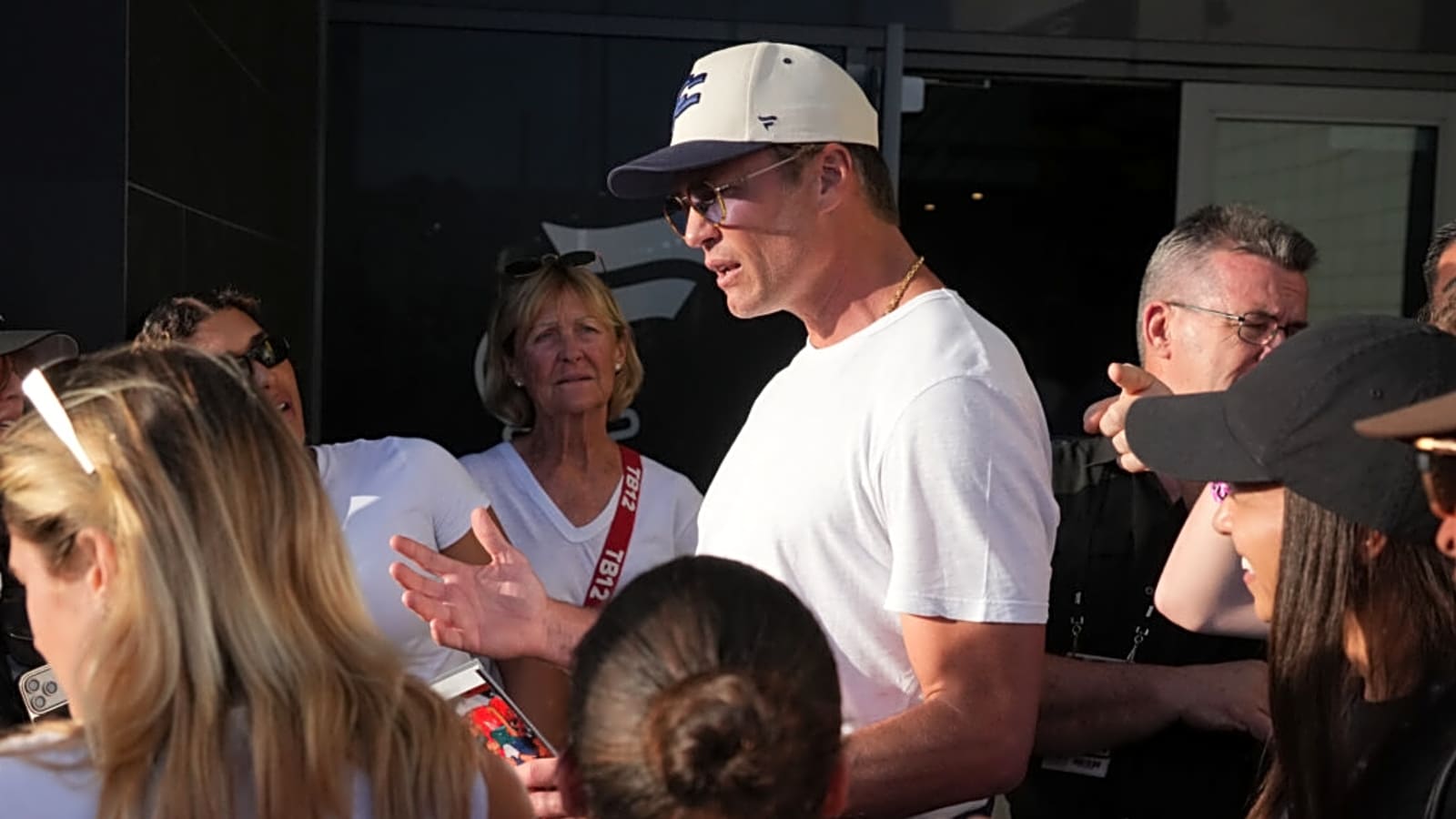
Tom Brady, 48, revealed on Thursday that he contacted the NFL about a possible comeback, but the league shut the idea down cold under its current rules. The seven time Super Bowl champion, now a minority owner of the Las Vegas Raiders and a Fox Sports broadcaster, asked whether he could return while holding equity in a franchise. Officials quickly rejected the possibility, citing ownership and salary cap restrictions. The response turned a passing thought into a defining moment, where ambition met a hard boundary that even Brady could not push through.
The Call That Changed Everything
Brady’s post-playing life is already full. He holds a minority ownership stake in the Las Vegas Raiders and signed a long-term broadcasting deal with Fox Sports. In a CNBC interview excerpt published on Thursday, March 26, he said that he personally asked the NFL about returning while still owning part of a franchise. That single admission shifted the conversation. Retirement no longer looked final. Instead, it appeared conditional. The idea of a comeback was not rumor or speculation. It was something Brady himself explored, even if briefly, raising a larger question about what pushed him to ask.
Why The Competitive Fire Still Burns

Brady revealed that past comeback inquiries came from others, but this time he initiated the conversation. That distinction matters. It shows the drive to compete remains present, even after decades of success. At 48, most players are long removed from the field, yet Brady still evaluated whether one more run was possible. His public stance remains that he is content in retirement, but actions tell a more layered story. The decision to reach out suggests unfinished curiosity, hinting that the answer he received would ultimately shape everything that followed.
The League’s Immediate And Firm Answer

Brady did not leave the outcome vague. He said, “I actually have inquired, and they don’t like that idea very much.” The NFL’s position was clear and rooted in policy. League officials stated he would need to sell his Raiders ownership stake before attempting any return. Rules prohibit players or team employees from holding equity in a franchise. The concern extends beyond optics. Salary cap complications and competitive fairness also factor into the restriction. That response closed the door quickly, yet it raised a new question about what it would cost.
The Real Cost Of A Comeback
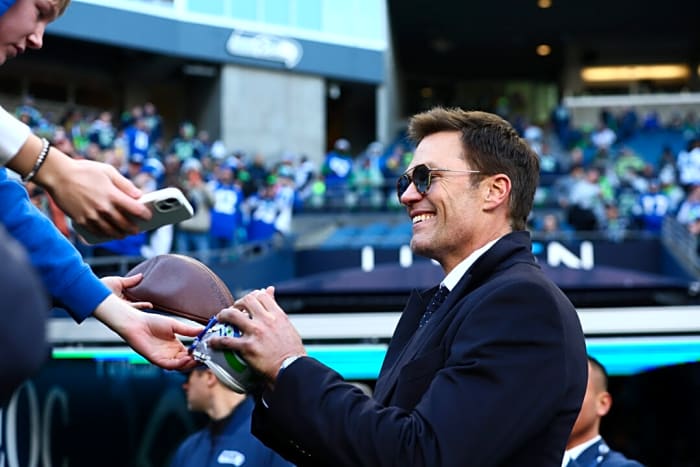
The barrier Brady faces is structural. Any return would require giving up his ownership stake in the Raiders. That stake represents both financial investment and long-term influence within the league. Walking away from it would not be a small decision. It would mean trading stability for uncertainty at 48 years old. The NFL made clear there is no middle ground. Ownership and active play cannot coexist. Brady could still perform physically, but the price of returning would involve dismantling part of the life he built after football, adding weight to his next calculation.
Numbers That Keep The Door Open
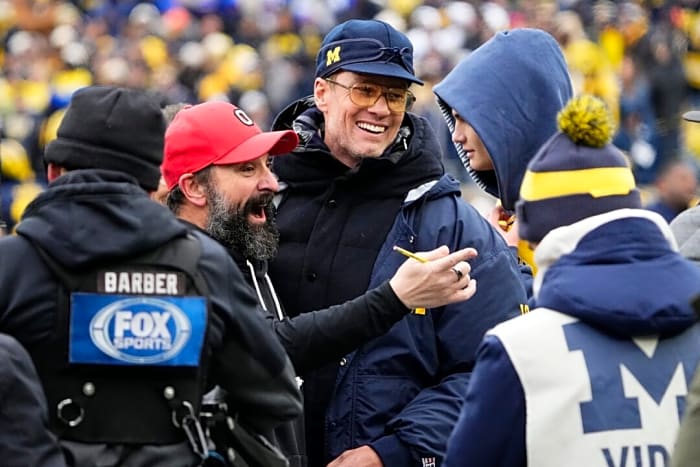
Brady’s final NFL season in 2022 showed he was far from finished statistically. He threw for 4,694 yards, 25 touchdowns, and recorded a 90.7 passer rating before retiring. Those numbers remain competitive even by current standards. His career totals go further, with 7 Super Bowl titles and records that still define quarterback longevity. This is not about fading ability. The data shows he exited while still productive. That reality keeps the idea of a return alive in conversations, even as league rules present obstacles that statistics alone cannot overcome.
A Rule That Applies To Everyone
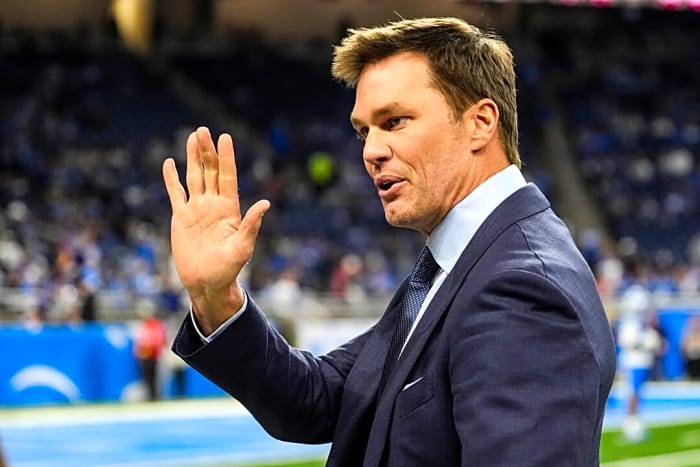
The NFL’s response highlights a broader principle. Ownership exists in a separate category from playing. Once a former player crosses into that space, the pathway back changes completely. The league treats ownership as a position of influence that cannot overlap with on-field participation. Brady’s situation illustrates how firm that boundary is. It is not a personal decision made for one individual. It is a rule that applies across the league. That distinction removes any ambiguity and explains why the answer came so quickly, even for the most accomplished quarterback ever.
The Raiders Twist Few Saw Coming

Brady’s connection to the Raiders adds another layer. Owner Mark Davis later revealed Brady was “supposed to be” with the team in 2020 before leadership chose to continue with Derek Carr. Brady instead joined Tampa Bay and won another Super Bowl. Years later, he became a minority owner of the Raiders. The team he nearly led on the field is now one he helps oversee. That history creates a rare situation where past decisions and present roles collide, shaping a scenario that feels almost too unlikely to script.
Age Was Never The Real Barrier

Brady’s age draws attention, yet it is not the primary obstacle. Quarterback Philip Rivers returned at 44 during the 2025 season, proving that experience can still translate late in a career. Brady’s challenge is different. His ownership stake creates a restriction Rivers never faced. Physical readiness remains part of the discussion, but it is secondary. The defining issue is structural eligibility within league rules. That distinction reframes the entire narrative. The question shifts from whether he can play to whether the system allows him to even try.
A Career That Closed Its Own Door

Brady said he is “very happily retired,” and that statement may reflect his current mindset. Yet the fact he asked the NFL about returning keeps the story alive. The answer he received clarified the reality. His post-playing success in ownership and broadcasting created a life that conflicts with any comeback path. The same achievements that expanded his influence now limit his options. For Brady, the decision is no longer about stepping back onto the field. It is about whether that possibility has already been traded away for good.
Sources:
Tom Brady Says He Asked NFL About Potential Comeback. iHeartRadio / CNBC summary, March 25 2026
Tom Brady’s purchase of a minority stake in the Las Vegas Raiders approved by NFL owners. Sky Sports, October 15 2024
What to know about Tom Brady’s partial ownership of the Raiders. TODAY / Yahoo Sports, September 15 2025
Tom Brady’s Fox NFL commentator contract could top 375 million due to stock options. Bleacher Report, February 3 2025
Tom Brady gets monster 10‑year, 375 million deal from Fox Sports. New York Post, May 10 2022
Tom Brady shines, but Team USA dominates flag football. ESPN, March 21 2026
Fanatics Flag Football Classic live updates: Team USA dominates Brady, Burrow. CBS Sports, March 21 2026
More must-reads:
- Update expands on bombshell report about alleged Eagles, Jalen Hurts drama
- Chiefs HC Andy Reid shuts down this Justin Fields narrative
- The 'Rushing-TD leaders by NFL team' quiz
Breaking News
Trending News



Customize Your Newsletter
 +
+




Get the latest news and rumors, customized to your favorite sports and teams. Emailed daily. Always free!
PRIVACY POLICY COOKIE POLICY CONTACT US
ABOUT YARDBARKER TERMS OF SERVICE


By using this site, you agree to our Terms of Service and Privacy Policy.
This site is for entertainment purposes only.
There is no gambling offered on this site.
Gambling Problem? Call 1-800-Gambler.
