
-

-


Follow Us
-

 On Facebook
 On Flipboard
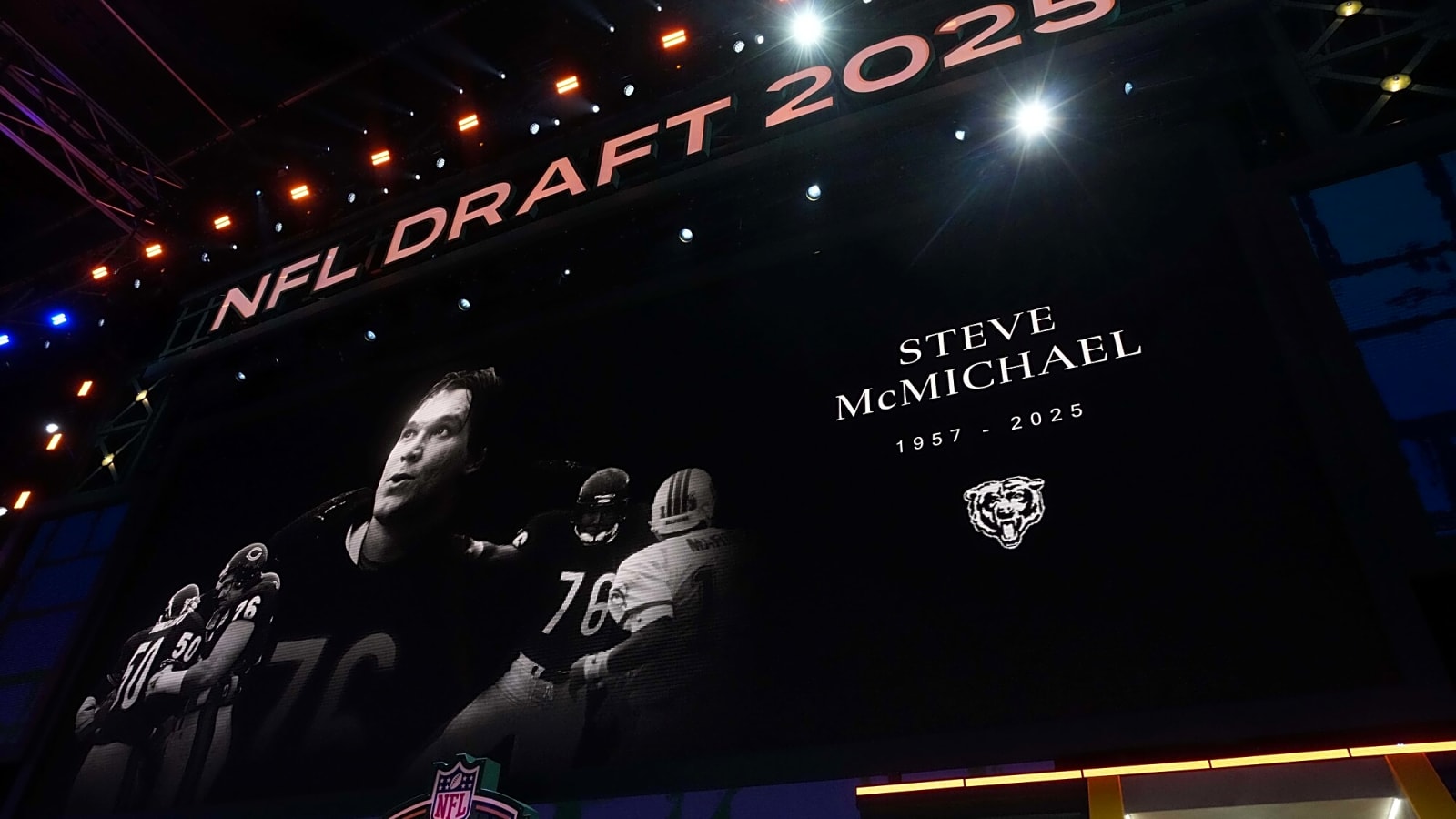
A year after his passing, the enduring legacy of a football icon is shedding critical light on the long-term neurological impacts of professional sports. The Concussion and CTE Foundation recently announced that former Chicago Bears defensive tackle Steve McMichael had Stage 3 chronic traumatic encephalopathy (CTE).
McMichael died in April 2025 following a difficult five-year battle with amyotrophic lateral sclerosis (ALS). His posthumous diagnosis highlights the urgent need to understand the connection between repetitive brain trauma and debilitating diseases.
Chicago Bears Steve McMichael: A Hall of Fame Legacy
Fans remember McMichael, affectionately known as “Mongo,” as a fierce competitor and a cornerstone of the legendary 1985 Chicago Bears defense. He helped anchor a unit that led the franchise to its only Super Bowl championship.
Over a remarkable 15-year NFL career, McMichael earned five All-Pro selections. The league ultimately recognized his dominant play and lasting impact by inducting him into the Pro Football Hall of Fame in 2024. His physical toughness defined an era of football, but that same physical style of play carried hidden, long-term risks.
The Link Between CTE and ALS
Before his death, McMichael pledged to donate his brain to science. His wife, Misty McMichael, shared the recent CTE diagnosis to raise public awareness about the connection between the two fatal conditions.
Medical researchers are finding that these two devastating diseases often intersect. A 2021 study led by researchers at Harvard Medical School and Boston University revealed a startling statistic. It found that NFL players are more than four times more likely to develop ALS compared to the general male population. McMichael’s case provides crucial data points for scientists working to understand exactly how repetitive head impacts trigger these specific neurological conditions.
Advancing Sports Safety Research
Currently, medical professionals can only diagnose CTE after a patient dies. The disease is known to cause severe cognitive decline, clinical depression, and mood swings.
McMichael’s diagnosis serves as a sobering reminder of the physical toll professional football takes on its athletes. His final act of donating his brain gives the medical community a vital tool to study these diseases. Ongoing research remains absolutely essential. Scientists need extensive funding and data to develop diagnostic tests for living patients and to create viable preventative measures.
Through his family’s transparency, McMichael continues to influence the game he loved. His contribution to medical science will help protect future generations of athletes from facing similar neurological battles.
More must-reads:
- DOJ launches antitrust probe into NFL over TV deals
- Browns HC Todd Monken responds to backlash over embarrassing misunderstanding
- The 'Rushing-TD leaders by NFL team' quiz
Breaking News
Trending News





Customize Your Newsletter
 +
+




Get the latest news and rumors, customized to your favorite sports and teams. Emailed daily. Always free!
PRIVACY POLICY COOKIE POLICY CONTACT US
ABOUT YARDBARKER TERMS OF SERVICE


By using this site, you agree to our Terms of Service and Privacy Policy.
This site is for entertainment purposes only.
There is no gambling offered on this site.
Gambling Problem? Call 1-800-Gambler.
