
-

-


Follow Us
-

 On Facebook
 On Flipboard
 On Twitter
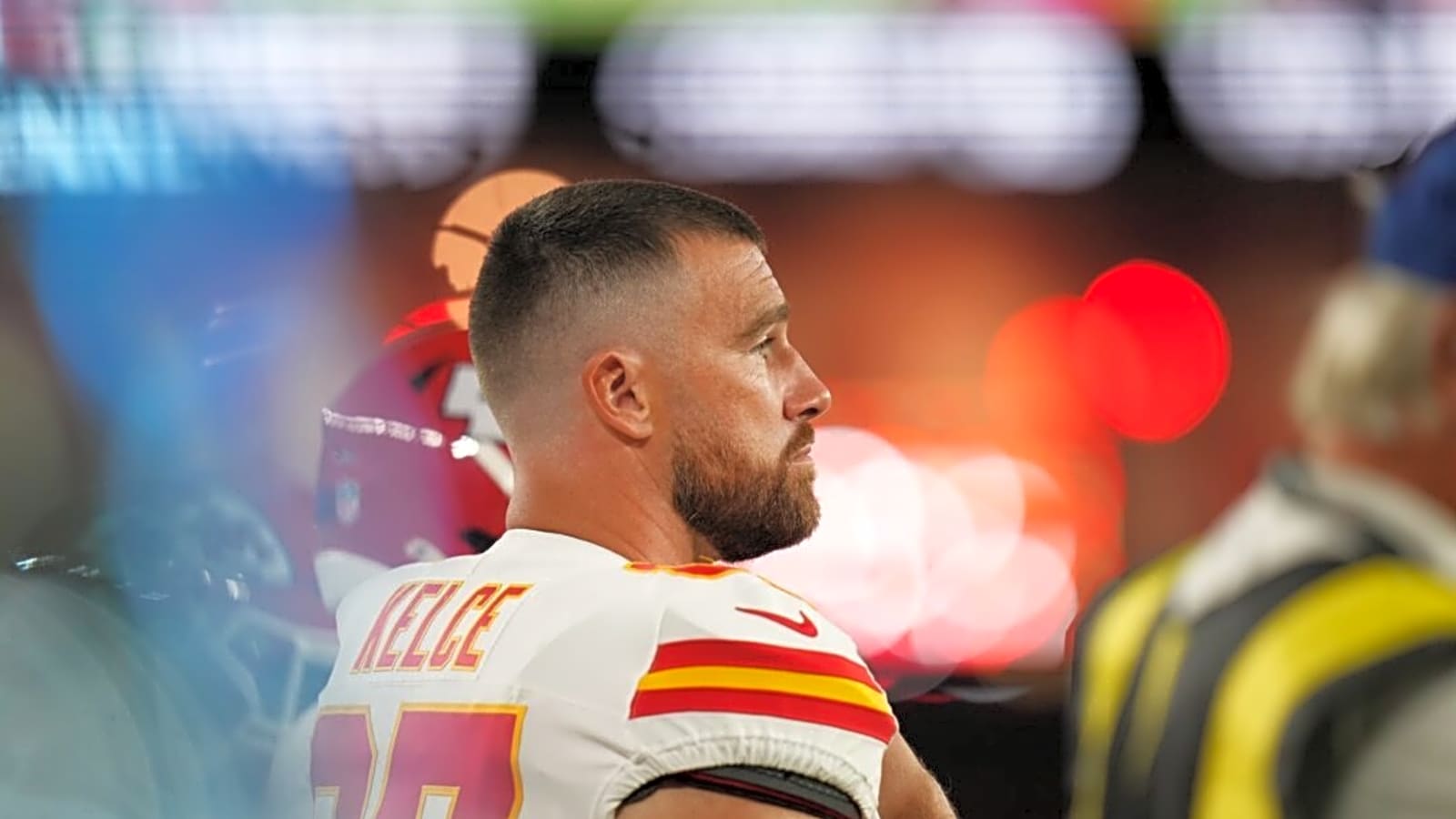
The offseason had been quiet. Too quiet. Travis Kelce’s future with the Kansas City Chiefs sat unresolved, and every day without an answer tightened the knot across Chiefs Kingdom. Retirement speculation had lingered since the Super Bowl, the kind of low-grade dread that follows a dynasty when its most recognizable weapon goes dark. Then Patrick Mahomes posted a message. Not a press conference. Not a formal statement. A message. And suddenly, the entire NFL offseason shifted underneath it.
Loaded Stakes
Before Mahomes said a word, the pressure was already structural. Kelce has played his entire NFL career with Kansas City, building cumulative receiving totals that place him among the most productive tight ends in league history. His postseason production alone anchors the Chiefs’ modern era. Every playoff run, every late-season drive, every red-zone look ran through one player. So when retirement talk surfaced, it carried weight that went beyond sentiment. The Chiefs weren’t just facing a roster question. They were in an identity crisis.
Myth Cracking
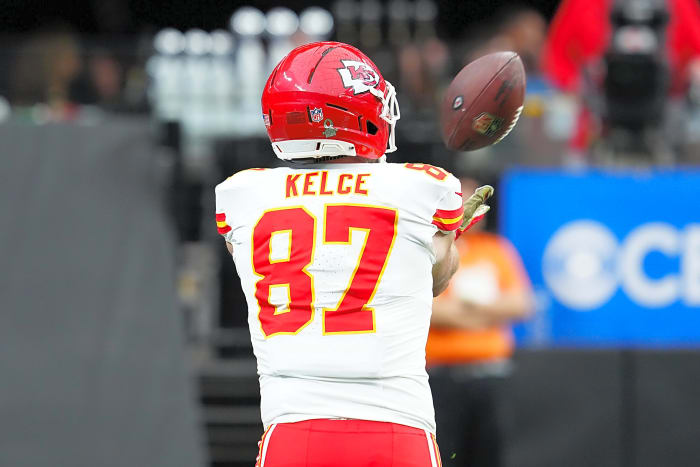
Most fans treated Kelce’s decision as a personal matter. A man choosing when to walk away. That framing is comfortable but incomplete. Cap databases like Spotrac and Over The Cap track Kelce’s contract figures publicly because his status is a material planning variable. The Chiefs’ salary-cap flexibility, their draft priorities, and their scheme continuity all hinge on one answer. “Just a personal decision” is the myth. The reality is that one veteran’s yes or no rewires an entire franchise’s offseason.
The Tell
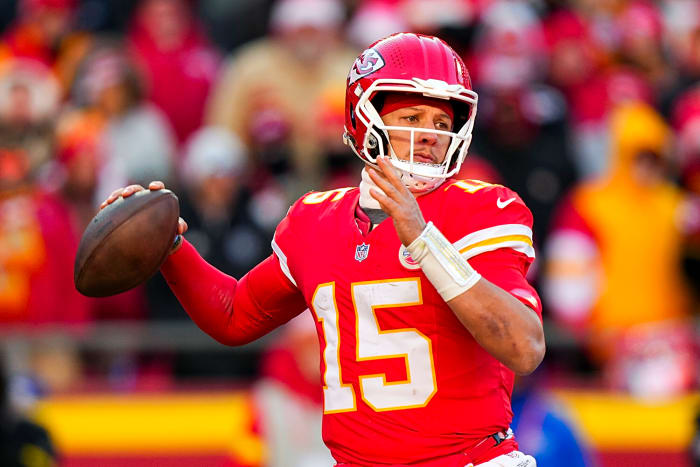
Mahomes’ first public reaction to Kelce’s reported decision landed right after the news broke. National outlets treated it as the headline tell. Not the team’s official site. Not a general manager’s statement. A teammate’s post. That post functioned as the public all-clear that the Chiefs could plan around. Kelce had reportedly decided to return for another season. Mahomes confirmed the vibe. One message. One signal. And the entire offseason recalculation began.
The Machine

Here is what most people miss: in today’s NFL, media amplification turns teammate posts into quasi-official signals. Mahomes’ message was not casual. It operated as a semi-official confirmation layer, the closest thing to paperwork before transactions hit the team site. The hidden system driving this story is salary-cap accounting. Cap structures create decision deadlines even when humans want more time. Kelce’s status forced the front office to model contingencies months before training camp. The message ended that uncertainty publicly.
Cap Math

Fan emotion and front-office reality occupy different planets. Fans saw relief. The front office saw cap allocation flexibility locking into place. Kelce’s contract figures, tracked across multiple databases, shift the Chiefs’ entire financial architecture depending on whether he plays or retires. With a return reportedly confirmed, Kansas City can proceed with offseason planning built around its tight end’s presence. Without it, they would have been hunting for a replacement in a tight end market with no comparable option. That gap is the whole story.
Ripple Effects
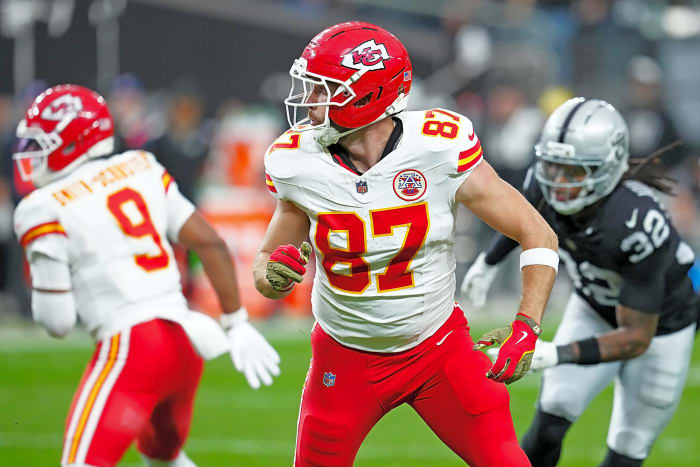
Kelce’s return does not just stabilize the offense; it also elevates it. It reshapes the roster around him. Fringe players competing for targets and roles now face a tighter path to playing time. The Chiefs’ draft board shifts because they are no longer desperate at tight end. And the broader tight end market adjusts, too, since Kansas City isn’t bidding. One decision, and personnel priorities across the league recalibrate. Meanwhile, the cap hit stays on the books, sacrificing flexibility elsewhere. Every roster move downstream traces back to this moment.
New Rule
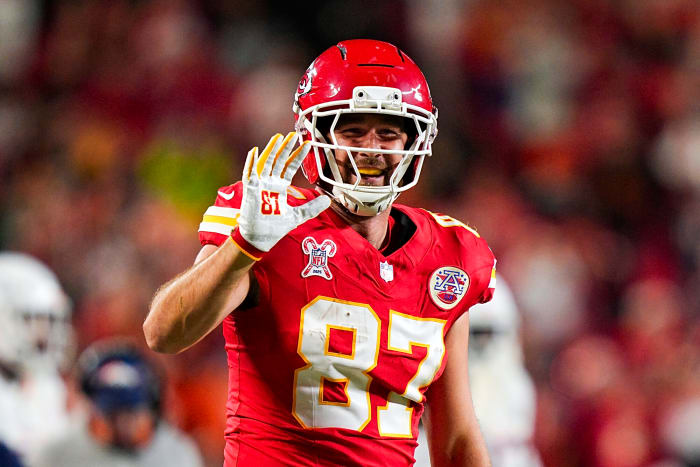
Kelce’s long tenure with one franchise is increasingly rare in the modern NFL. That alone makes this decision historically unusual. But the bigger pattern is what it reveals about how confirmation works now. Teammate social messaging continues acting as semi-official confirmation across the league. Mahomes’ post was not an outlier. It was a precedent. The message was never really for fans. It was for the machine: teammates, coaches, salary-cap planners, and front offices waiting for a green light to build around.
The Clock
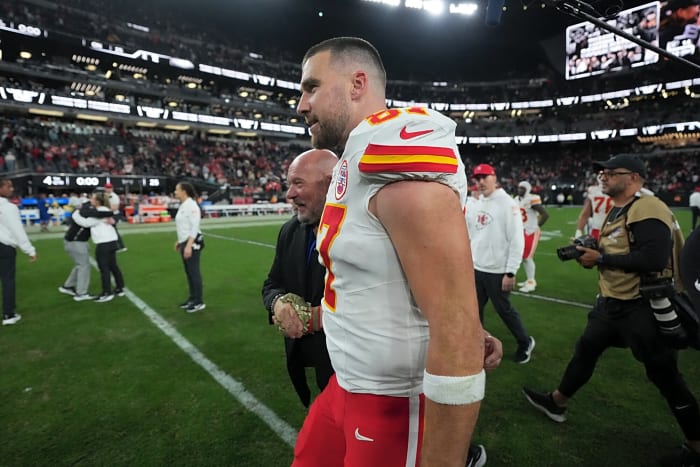
Continuity sounds comforting until you remember what continuity is hiding. If Kelce’s production dips, midseason retirement talk resurfaces twice as loudly. The dynasty window does not pause for sentiment. The Chiefs know this, which is why they will still hedge with depth additions even with Kelce on the roster. One more year buys scheme continuity but forces a future cliff risk. The same decision that stabilizes today creates a harder version of the same question twelve months from now.
The Upgrade
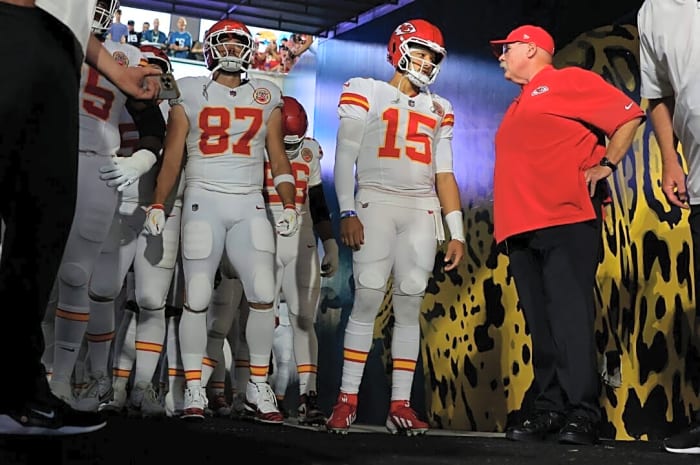
Everyone watching this story saw a quarterback supporting his teammate. The people who understand how dynasties actually operate saw something different: a signal that converted uncertainty into actionable planning across an entire organization. Kelce’s return means the Chiefs’ offensive identity holds for another season. But the counter-move is already in motion. Kansas City will add depth behind him, quietly preparing for the year this answer changes. The dynasty bought twelve more months. The bill comes due next offseason.
Sources:
MSN, Coverage of Mahomes’ reaction to Kelce’s decision, 2025
Spotrac, Travis Kelce NFL Contracts & Salaries, Ongoing/updated March 2026
Over The Cap, Travis Kelce contract and cap data, Ongoing/updated 2026
NFL.com, Chiefs hope to have Travis Kelce back for 2026, February 8, 2026
Associated Press, Coverage of Kelce’s return confirmation, March 2026
ESPN, Travis Kelce Career Stats, Ongoing/updated 2026
More must-reads:
- Only one team makes sense for Jauan Jennings
- Raiders reportedly prepared to make stunning Maxx Crosby move after Ravens back out of trade
- The '100-rushing-yard Super Bowls' quiz


Customize Your Newsletter
 +
+




Get the latest news and rumors, customized to your favorite sports and teams. Emailed daily. Always free!
PRIVACY POLICY COOKIE POLICY CONTACT US
ABOUT YARDBARKER TERMS OF SERVICE


By using this site, you agree to our Terms of Service and Privacy Policy.
This site is for entertainment purposes only.
There is no gambling offered on this site.
Gambling Problem? Call 1-800-Gambler.
