
-

-


Follow Us
-

 On Facebook
 On Flipboard
 On Twitter

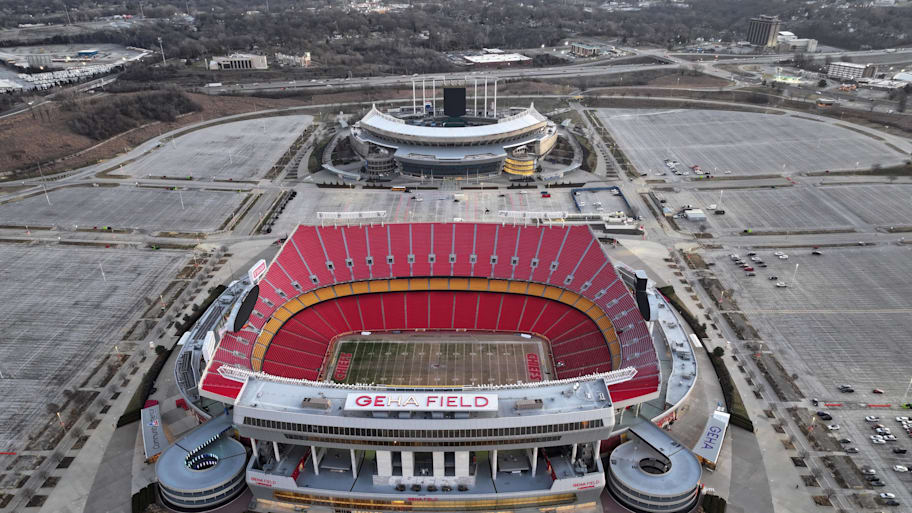
KANSAS CITY, Mo. – Thick fog coated Arrowhead Stadium on Tuesday morning, the sun refusing to show its face on Western Missouri as if draped in a Gatorade towel.
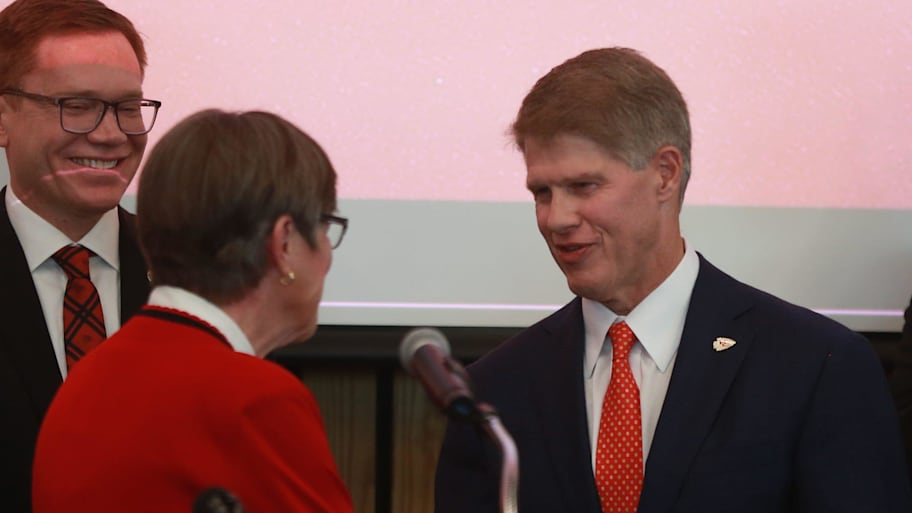
Surreal doesn’t begin to describe the stretch the Chiefs franchise has lived this month. Shackled with its first losing season in the Andy Reid era, having lost quarterback Patrick Mahomes to season-ending knee surgery, the team sent Clark Hunt and its highest-ranking officials across the border on Monday.
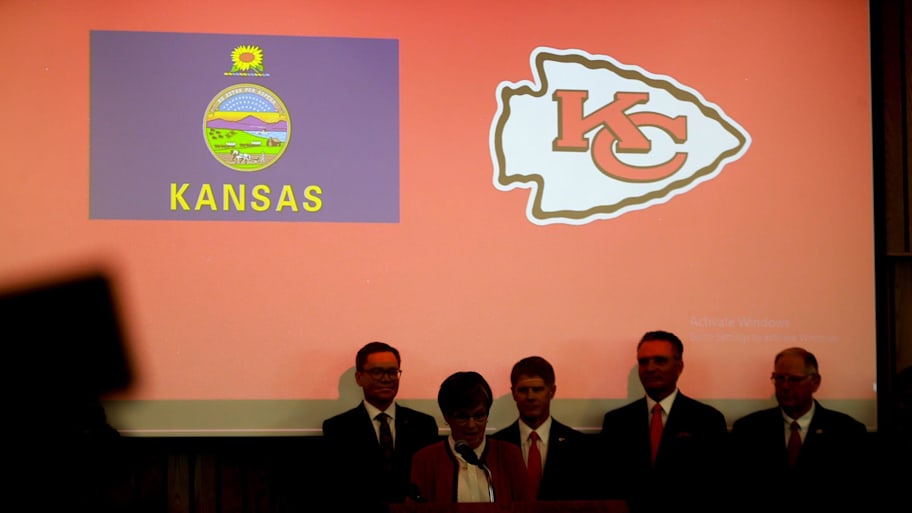
Kansas legislators had cleared the final speed bumps in solidifying bonds to cover 60 percent of a $3 billion domed stadium and long-awaited team practice facility.
And judging from the reaction of Missouri residents, Monday’s announcement sparked emotions this border hasn’t seen in 171 years.
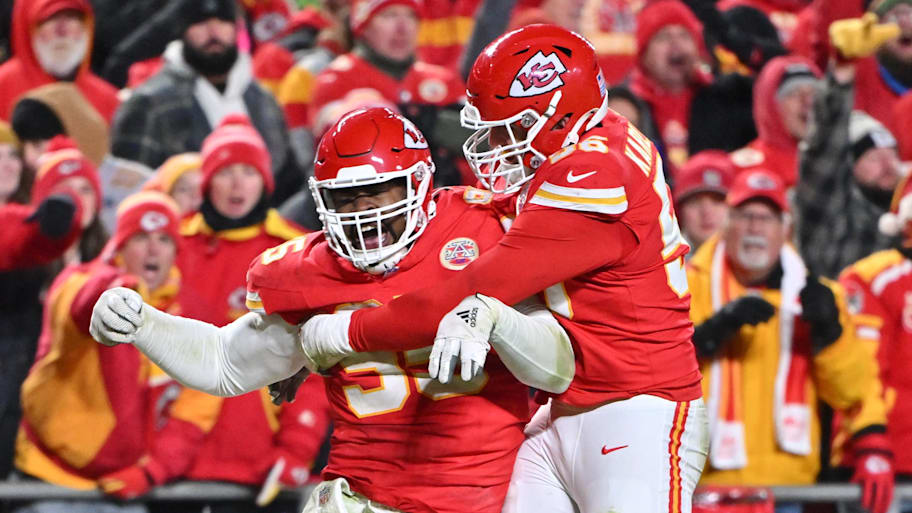
The Chiefs knew a lot of fans wouldn’t be happy, and those voices would drown out any excited about the move. Always a man of the people, Chris Jones offered some healing words this week, as his team prepares for Arrowhead’s season finale against Denver on Christmas night (7:15 p.m. CT, Prime Video, NBC/KSHB-TV, Channel 41, 96.5 The Fan).
“Listen, man, it's a lot of history in that stadium,” the All-Pro defensive tackle said Tuesday. “And like Mr. Hunt said, his father was all about evolving. These fans are loyal. They've been loyal since knee high.”
Jones, whose current contract expires after the 2028 season, said he won’t be playing when the new stadium opens in 2031. But the players that do christen the new facility will without question get the best accommodations in the league.
Here’s a look at facts and figures we know so far...
Cost
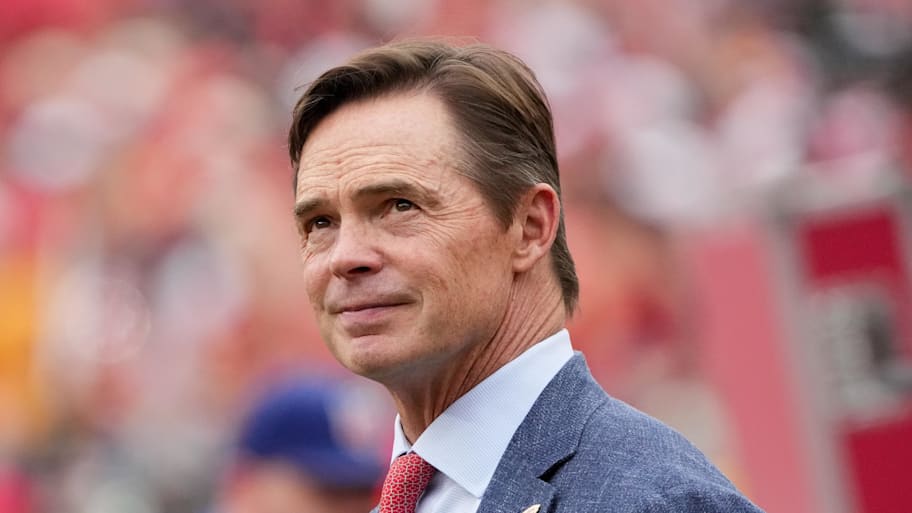
The project’s total cost is expected to hover around $4 billion. The new domed stadium will require three-quarters of that figure, approximately $3 billion. Monday’s announcement also calls for a $300 million team practice facility. Finally, $700 million will be set aside for developing shopping, dining, hotel and entertainment districts around both the stadium and practice facility.
Financing
The state of Kansas is ready to cover 60 percent of the total cost. That’s $2.4 billion. Meanwhile, the Chiefs are ready to cover 40 percent, or $1.6 billion.
The mechanism to cover the $2.4 billion in public financing is called STAR bonds, an acronym for sales tax and revenue. Over 30 years, that cashflow created by new taxes generated from the new buildings – including fan purchases at restaurants, hotels, stores and the new stadium – will be complemented by state funds from legalized sports betting (LSB) and lottery tickets.
Investors will purchase the bonds in advance and the state will use those streams to pay them back over the 30 years.
Location
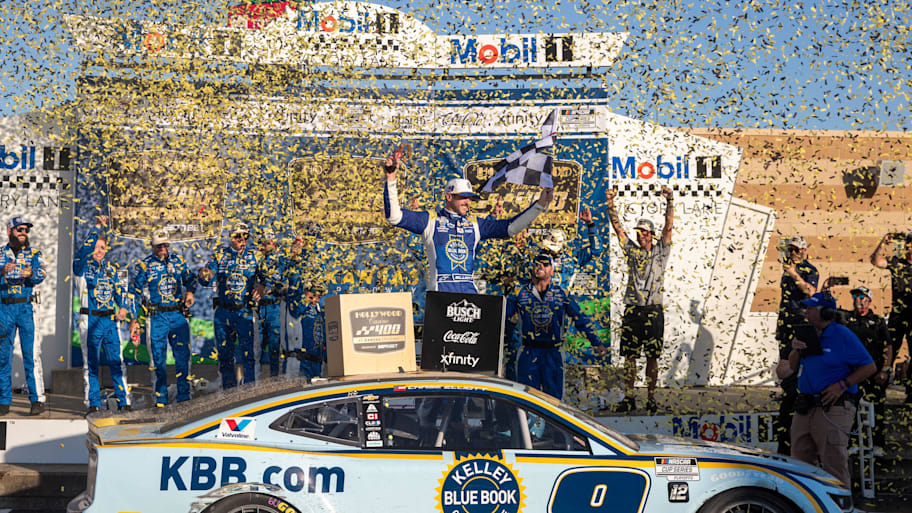
The stadium will go up in Wyandotte County, Kansas, near the Kansas Speedway. An exact location is to be determined, but the Chiefs already own land in that area. Meanwhile, the practice facility is slated for the city of Olathe (pronounced oh-LAYTH-uh), in Johnson County. Chiefs players and coaches will spend most of their time at the facility, 20 miles south of the new stadium.
Capacity
The official agreement calls for a minimum 65,000 seats but adding to that number would seem to behoove the Chiefs. Arrowhead Stadium’s official capacity is 73,426 and the Chiefs up until late this season haven’t had difficulty filling seats. Keeping the capacity lower, though, maybe around 68,000, allows the team to better enhance noise in the stadium and also creates better sightlines for non-football events, such as Final Fours and concerts.
Name
According to the Kansas City Star, the Chiefs have the ability to sell naming rights, “provided that any such name will not unreasonably cause embarrassment or disparagement to the Public,” per the agreement. The historic Arrowhead moniker that has served as such an important part of the team’s identity since it opened in 1972, is expected to remain in Missouri.
Non-Chiefs events
Absolutely expect the Chiefs to aggressively bid to host future Super Bowls. The NFL has only awarded future Super Bowls through the 2027 season (Levi’s Stadium in Santa Clara, Calif., this season; SoFi Stadium in Los Angeles next year and Mercedes-Benz Stadium in Atlanta to conclude 2027).
Expect Tennessee and its new Nissan Stadium, opening in 2027, to host a future Super Bowl, before the Chiefs open their new Kansas home.
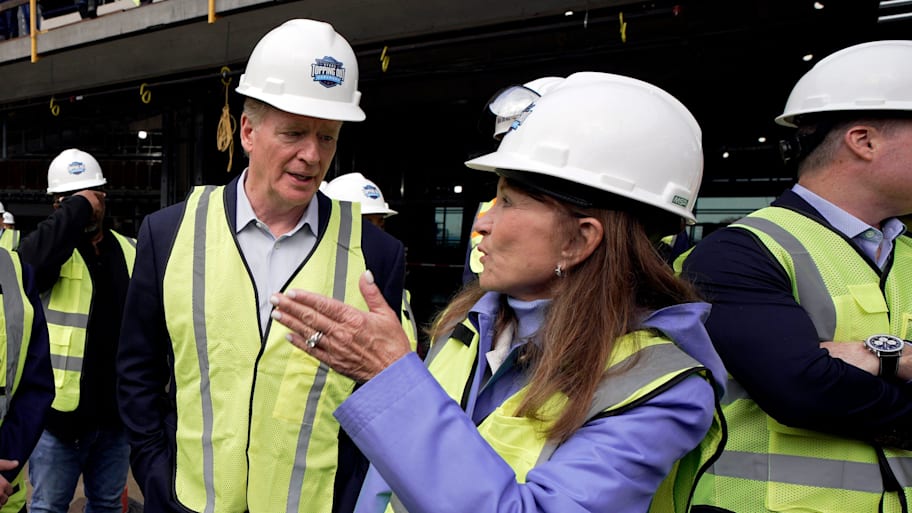
Hotel rooms in a metro area serve as a critical requirement to host a Super Bowl, and the Kansas City area on both sides of the border has more than enough.
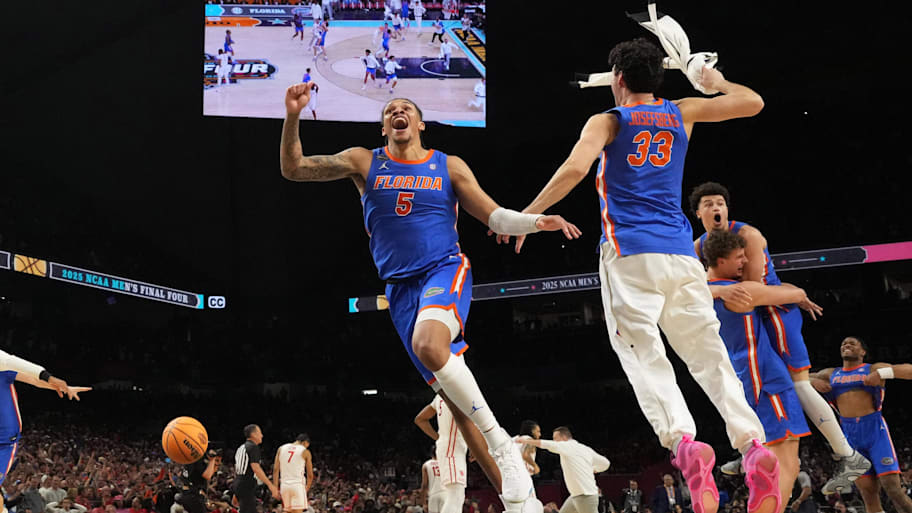
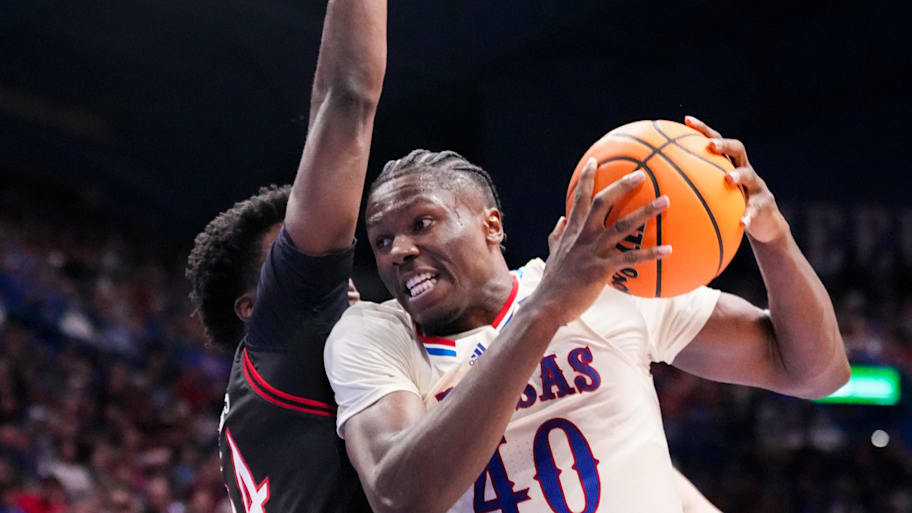
The NCAA has already awarded the men’s basketball Final Four through 2031, so the Chiefs need to get in line for that one. Expect it to happen next decade, though, especially because the area has long served as a basketball mecca thanks to the nearby Kansas Jayhawks.
Each of the next six Final Four sites are NFL stadiums: Indianapolis in 2026, Detroit in 2027, Las Vegas in 2028, Indianapolis again in 2029, Dallas/North Texas in 2030 and Atlanta in 2031.
Groundbreaking timeline
The Chiefs have a hard stop due to their lease expiring at the Truman Sports Complex following the 2030 season. Working backward and using the new Nissan Stadium as a template, groundbreaking would need to take place by approximately February of 2028.
That gives the Chiefs and CAA ICON a little more than two years to complete the extensive RFQ process of selecting architects and contractors, completing legal and construction paperwork, and everything required to put the first shovel in the ground.
Keep in mind that any renderings on the Internet are not official, only one design firm’s concept of what the new dome could look like. When the Chiefs select one of the world’s leading stadium-design firms to create official renderings, expect fans to pay close attention to tailgating amenities.
Chiefs Kingdom, don’t be shut out in the points column. Register for an absolutely FREE newsletter on your beloved team, with analysis and in-depth news every day. SIGN UP HERE NOW.
- Chiefs-Broncos Week 17 Live Game Thread
- Which Unit Chiefs Badly Need to See Step Up vs. Broncos
- Here’s Something Special Santa Left Chiefs on Christmas Morning
- Contract Incentives on Line for Chiefs Christmas Night
More must-reads:
- Only one team makes sense for Jauan Jennings
- New timeline for Aaron Rodgers, Steelers decision emerges
- The '100-rushing-yard Super Bowls' quiz



Customize Your Newsletter
 +
+




Get the latest news and rumors, customized to your favorite sports and teams. Emailed daily. Always free!
PRIVACY POLICY COOKIE POLICY CONTACT US
ABOUT YARDBARKER TERMS OF SERVICE


By using this site, you agree to our Terms of Service and Privacy Policy.
This site is for entertainment purposes only.
There is no gambling offered on this site.
Gambling Problem? Call 1-800-Gambler.
